
Ever wonder why jarred Alfredo sauce never tastes quite right? I used to think making authentic Alfredo sauce from scratch was some impossible Italian secret until I discovered this foolproof recipe. Now I make this creamy, dreamy sauce at least twice a week, and honestly, my kids have started requesting “Mom’s Alfredo” over takeout (which feels like the ultimate kitchen victory, even though I totally scorched my first three batches because I cranked the heat too high and ended up with weird, separated cheese soup).
Here’s the Thing About This Recipe
What makes authentic Alfredo sauce work so beautifully is the simplicity—real Italian Fettuccine Alfredo uses just butter, cream, and Parmesan, with a touch of seasoning to make everything sing. I learned the hard way that you can’t rush this sauce or use pre-shredded cheese (those anti-caking agents make it grainy and sad). This classic Roman recipe relies on quality ingredients and gentle heat to create that silky, luxurious texture that coats pasta like a dream. It’s honestly that simple once you understand the technique, and no fancy cooking school required.
What You’ll Need (And My Shopping Tips)
Good Parmesan cheese is worth splurging on here—buy a wedge of real Parmigiano-Reggiano and grate it yourself. Don’t cheap out on the pre-shredded stuff in the green can because I learned this after making a batch that tasted like cardboard and had the texture of school paste. The difference between real Parmesan and the pre-grated kind is night and day.
Heavy cream should be the real deal with at least 36% fat—don’t try substituting milk or half-and-half unless you want thin, disappointing sauce (happens more than I’d like to admit, but I was trying to be healthy and it backfired spectacularly). Unsalted butter lets you control the salt level yourself, which matters when Parmesan is already salty.
Fresh nutmeg makes a huge difference if you have it—that warm, slightly sweet note is what separates good Alfredo from great Alfredo. I always grab an extra container of heavy cream because I inevitably use some in my coffee or end up making a double batch when company’s coming. For more details on choosing authentic Parmesan cheese, check out this guide to Parmigiano-Reggiano from Food Network.
Let’s Make This Together
Start by melting that butter in a heavy-bottomed saucepan over medium heat—not medium-high, just medium. Here’s where I used to mess up—I’d crank the heat because I was impatient, and the butter would brown or the cream would scorch. Patience is your friend here.
Pour in the heavy cream and bring it to a gentle simmer, stirring occasionally so nothing sticks to the bottom. You’ll see tiny bubbles around the edges, but it shouldn’t be violently boiling. Let it simmer for about 2-3 minutes to reduce slightly and concentrate the flavor.
Now for the fun part—start whisking in that freshly grated Parmesan a handful at a time. Here’s my secret: don’t dump it all in at once or you’ll end up with clumps. Add it gradually, whisking constantly, letting each addition melt completely before adding more. I learned this trick from watching Italian nonnas on cooking shows, and it absolutely works.
Once all the cheese is incorporated and you’ve got this gorgeous, creamy sauce, add the garlic powder, nutmeg, and a good pinch of salt and pepper. Taste it—Parmesan is salty, so you might not need much additional salt. Give it a good stir to distribute everything evenly.
Let the sauce simmer gently for another 3-4 minutes, stirring frequently. It’ll thicken as it cooks, and you want it to coat the back of a spoon nicely. Don’t be me—I used to walk away from the stove and come back to find the sauce had broken and separated into a greasy mess. Keep stirring, keep watching.
Kill the heat and use it immediately over hot pasta—Alfredo sauce waits for no one. If you’re serving it with fettuccine (the classic pairing), toss the hot, drained pasta right into the sauce and stir until every strand is coated. For the perfect pasta to pair with this sauce, try this Classic Fettuccine Pasta that’s the traditional base for Alfredo.
When Things Go Sideways (And They Will)
Sauce turned grainy and separated? You either added the cheese too fast, used pre-shredded cheese with additives, or your heat was too high. In reality, I’ve learned to keep the heat low and be patient with the cheese. If this happens, try whisking in a tablespoon of heavy cream off the heat—sometimes you can save it.
Sauce too thin and runny? Don’t panic—let it simmer longer to reduce and thicken. You can also add more Parmesan cheese, which acts as a thickener. This is totally fixable, just give it time and keep stirring.
Sauce too thick and gloppy? If this happens (and it will if you simmer too long), whisk in a little more cream or even a splash of pasta cooking water to thin it out. Pasta water has starch that helps emulsify the sauce beautifully.
Sauce tastes bland? You probably needed more salt, or your Parmesan wasn’t good quality. Real Parmigiano-Reggiano has so much flavor that it carries the whole dish. Don’t be afraid to taste and adjust seasoning.
When I’m Feeling Creative
Garlic Lover’s Alfredo: When I’m feeling fancy, I sauté 3-4 cloves of minced fresh garlic in the butter before adding the cream. The flavor is incredible and makes the whole house smell amazing.
Cajun Alfredo: Add 1-2 teaspoons of Cajun seasoning for a spicy kick that transforms this into something completely different. My husband requests this version constantly.
Lemon Herb Alfredo: Around spring and summer, I’ll add the zest of one lemon and some fresh basil or parsley at the end. It brightens everything up and feels lighter.
Lighter Alfredo: Use half heavy cream and half whole milk, though it won’t be quite as rich. For people watching calories, this compromise still tastes pretty good.
Why This Works So Well
This homemade Alfredo sauce captures the essence of the original Fettuccine Alfredo created by Alfredo di Lelio in Rome in the early 1900s. The authentic version was simply butter and Parmesan tossed with hot pasta, but the American interpretation adds cream for extra richness and consistency. What sets this from-scratch version apart from jarred sauce is the pure, fresh flavor and silky texture you get from real ingredients and proper technique. The gentle heat and gradual cheese addition create an emulsion that’s smooth and luxurious rather than grainy or separated. The cultural history of Fettuccine Alfredo shows how this Roman dish became an Italian-American classic, evolving from its simple origins to the rich, creamy sauce we know today.
Things People Ask Me About This Recipe
Can I make this Alfredo sauce from scratch ahead of time?
Honestly, Alfredo sauce is best served immediately while it’s hot and silky. It tends to thicken and separate when refrigerated. That said, you can make it a few hours ahead and reheat gently over low heat, whisking in a splash of cream to bring it back together. Just don’t expect it to be quite as perfect as fresh.
What if I can’t find real Parmigiano-Reggiano?
Look for a good-quality aged Parmesan or Grana Padano as alternatives. Avoid the pre-shredded stuff in containers because the anti-caking agents prevent smooth melting. If you absolutely must use it, expect a slightly grainier texture, but it’ll still taste okay.
Can I freeze homemade Alfredo sauce?
I wouldn’t recommend it. Cream-based sauces don’t freeze well—they separate and get grainy when thawed. This sauce is so quick to make fresh that it’s better to just whip up a new batch when you need it.
Is this recipe beginner-friendly?
Totally. If you can melt butter and whisk, you’ve got this. The key is low heat and patience—rush it and you’ll have problems, but take your time and it’s nearly foolproof. I taught my college-age son to make this over video chat, so that should tell you something.
How do I keep the sauce from breaking?
Low and slow is the secret. Keep your heat on medium or medium-low, add cheese gradually while whisking, and stir frequently. If the sauce gets too hot, the cheese proteins seize up and separate from the fat, creating that broken, greasy texture nobody wants.
What’s the best pasta to serve with Alfredo sauce?
Classic fettuccine is traditional and perfect—those wide, flat noodles hold the sauce beautifully. But penne, linguine, or even spaghetti work great too. I’ve even used it on gnocchi, which is absolutely decadent.
Why I Had to Share This
I couldn’t resist sharing this because everyone deserves to know how easy real Alfredo sauce is to make, and how much better it tastes than anything from a jar. The best Alfredo nights are when you toss hot pasta with this silky sauce, grate a little extra Parmesan on top, and watch everyone go back for seconds. You’ve totally got this.
Print
Alfredo Sauce from Scratch
Description
Rich, silky Italian cream sauce made with butter, heavy cream, and fresh Parmesan cheese—this authentic Alfredo sauce from scratch is easier than you think and tastes like pure comfort.
Prep Time: 5 minutes | Cook Time: 10 minutes | Total Time: 15 minutes | Servings: 4 (about 2 cups sauce)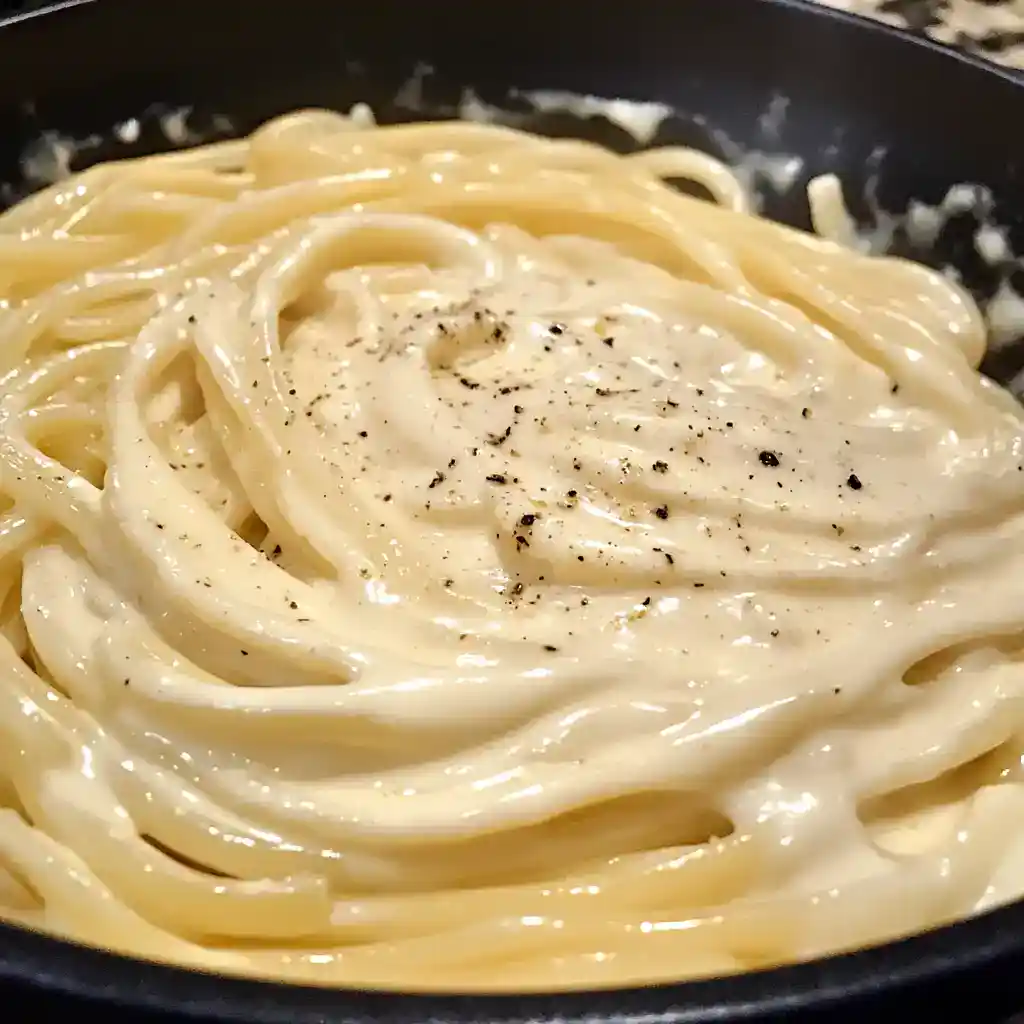
Ingredients
- 1/2 cup unsalted butter (one stick)
- 2 cups heavy cream (don’t substitute)
- 2 cups freshly grated Parmesan cheese (about 6 oz, from a wedge you grate yourself)
- 1/2 teaspoon garlic powder (or use 2–3 cloves fresh minced garlic)
- 1/4 teaspoon nutmeg (freshly grated is amazing if you have it)
- Salt and pepper to taste (start light—Parmesan is already salty)
Instructions
- Melt butter in a heavy-bottomed saucepan over medium heat—not high, just medium. Let it melt gently without browning.
- Pour in the heavy cream and bring to a gentle simmer, stirring occasionally so nothing sticks to the bottom. You want tiny bubbles around the edges, not a rolling boil. Let it simmer for 2-3 minutes to reduce slightly.
- Here’s the technique that matters: Gradually whisk in the Parmesan cheese, adding just a handful at a time. Keep whisking constantly and let each addition melt completely before adding more. Don’t rush this step or you’ll end up with clumps instead of silky sauce.
- Once all the cheese is melted and incorporated, add the garlic powder, nutmeg, and a pinch of salt and pepper. Stir well to distribute everything evenly. Taste it and adjust seasoning—you might need more salt depending on your Parmesan.
- Let the sauce simmer gently for another 3-4 minutes, stirring frequently, until it thickens enough to coat the back of a spoon. It should be creamy and smooth, not watery or broken.
- Kill the heat and serve immediately over hot, freshly cooked pasta. Toss the pasta right in the sauce if possible, adding a splash of pasta cooking water if needed to help it coat better.
- Serve hot with extra Parmesan grated on top and maybe some fresh black pepper or parsley. Once it cools, it thickens considerably, so enjoy it right away.
Nutrition Information (Per Serving, sauce only):
- Calories: 625
- Carbohydrates: 5g
- Protein: 14g
- Fat: 62g
- Fiber: 0g
- Sodium: 520mg
- Calcium: 40% DV
- Vitamin A: 45% DV
This rich Alfredo sauce provides significant calcium from Parmesan cheese and vitamin A from cream. Enjoy as an indulgent treat paired with vegetables or lean proteins for balance.
Notes:
- Seriously, grate your own Parmesan from a wedge. Pre-shredded cheese has additives that make the sauce grainy.
- Keep the heat on medium or medium-low. High heat causes the sauce to break and separate into a greasy mess.
- Every brand of Parmesan has different saltiness, so taste before adding extra salt.
- If your sauce breaks (separates into fat and solids), try whisking in a tablespoon of cream off the heat to bring it back together.
- This sauce thickens as it sits, so use it right away for best texture.
Storage Tips:
Store leftover Alfredo sauce in an airtight container in the refrigerator for up to 3 days, though the texture won’t be quite the same. Reheat gently over low heat, whisking constantly and adding a splash of cream or milk to thin it out. Don’t microwave—it makes the sauce separate. Don’t freeze this sauce because cream-based sauces get grainy and weird when thawed.
Serving Suggestions:
- Classic Fettuccine Alfredo: Toss with hot fettuccine and top with extra Parmesan and black pepper
- Chicken Alfredo: Pour over grilled or sautéed chicken breast with pasta
- Veggie Alfredo: Mix with steamed broccoli, peas, or roasted vegetables for a lighter meal
- Alfredo Pizza: Use as a pizza sauce base instead of tomato sauce for a white pizza
Mix It Up (Recipe Variations):
- Fresh Garlic Alfredo: Sauté 3-4 cloves minced fresh garlic in the butter before adding cream for bold garlic flavor
- Cajun Alfredo: Add 1-2 teaspoons Cajun seasoning for a spicy kick that transforms the dish
- Lemon Herb Alfredo: Stir in lemon zest and fresh basil or parsley at the end for brightness
- Mushroom Alfredo: Sauté sliced mushrooms in the butter before adding cream for earthy richness
What Makes This Recipe Special:
This homemade Alfredo sauce uses authentic Italian cooking techniques that create a smooth, silky emulsion of butter, cream, and cheese. The method of gradually incorporating freshly grated Parmesan while maintaining gentle heat prevents the proteins from seizing up and creating that grainy texture you get from jarred versions. Unlike store-bought sauces with stabilizers and preservatives, this fresh version relies on quality ingredients and proper technique for its superior flavor and texture.
