
Ever wonder why bakery muffins are so moist and flavorful while homemade ones turn out dry and boring? I used to think making perfect apple oat muffins required some kind of secret ingredient until my grandmother shared her foolproof technique. Now I’m baking these cozy spiced beauties every weekend, and my neighbors have started dropping by suspiciously close to when they come out of the oven (if only they knew how many rock-hard hockey pucks I made before figuring out the secret to tender, not-too-sweet muffins).
Here’s What I’ve Learned About This Recipe
What makes these apple oat muffins work is the combination of rolled oats and flour that gives you hearty texture without turning them dense and heavy. I learned the hard way that using only flour makes them too cakey, and too many oats makes them gummy and sad. This ratio hits that perfect balance where you get tender crumb with just enough heartiness to feel satisfying. The diced apples throughout? That’s your moisture insurance—they release juice as they bake, keeping everything soft even a few days later. It’s honestly that simple—no fancy techniques, just good ingredients mixed together gently so you don’t develop too much gluten.
What You’ll Need (And My Shopping Tips)
Good rolled oats are worth grabbing—look for old-fashioned oats, not quick oats or steel-cut. Quick oats turn mushy, and steel-cut stay too crunchy (happens more than I’d like to admit when I grab the wrong container). Don’t cheap out on the apples; crisp, tart varieties like Granny Smith or Honeycrisp work best because they hold their shape and don’t turn to mush. I learned this after using mealy Red Delicious that basically dissolved into apple sauce.
Brown sugar adds moisture and that deep molasses flavor that makes these taste cozy, and fresh cinnamon makes a huge difference—if your cinnamon has been sitting in the cabinet since 2019, toss it and get new stuff. The vegetable oil keeps these muffins tender longer than butter would (butter tastes great but makes them go stale faster). Learn more about choosing the best apples for baking to get perfect texture every time. I always grab an extra apple because someone inevitably snacks on them while I’m prepping, and then I’m short.
Let’s Make This Together
Start by cranking your oven to 375°F and lining a muffin tin with paper liners—don’t skip the liners unless you enjoy scrubbing stuck muffin bits out of the tin later. In a large bowl, dump your flour, oats, brown sugar, baking powder, baking soda, salt, and cinnamon. Give it a good stir with a whisk to break up any brown sugar clumps and distribute everything evenly.
In a separate bowl, whisk together the milk, oil, egg, and vanilla extract until smooth. Here’s my secret: make sure your egg is at room temperature or it won’t blend as smoothly with the oil. Now for the crucial part—pour the wet ingredients into the dry ingredients and stir with a wooden spoon or spatula until just combined. Here’s where I used to mess up every time: don’t overmix! You should still see some flour streaks and lumps. The batter should look rough and shaggy, not smooth. Overmixing develops gluten and makes tough, dense muffins instead of tender ones.
Gently fold in those diced apples—I cut mine into about 1/4-inch pieces so you get apple in every bite without huge chunks. Use a spoon or ice cream scoop to divide the batter evenly among your muffin cups, filling each about 3/4 full. I learned this trick from my grandmother: if you want nice domed tops, fill them a bit more generously, but don’t go over 3/4 or they’ll overflow and make a mess.
Slide the tin into your preheated oven and bake for 18-20 minutes. Start checking at 18 minutes by sticking a toothpick into the center of a muffin—it should come out clean or with just a few moist crumbs, not wet batter. Every oven runs differently, so trust your eyes more than the timer. Let them cool in the tin for 5 minutes (if you can resist), then transfer to a wire rack. Eating them slightly warm with butter? That’s when they’re absolute perfection.
If you’re craving more fall baking inspiration, try this Easy Pumpkin Bread that uses similar spices.
When Things Go Sideways (And They Will)
Muffins turned out dry and crumbly? You probably overbaked them or overmixed the batter. Don’t panic—these apple oat muffins should be tender and moist, not dry and dense. Next time, check early and pull them out as soon as that toothpick comes out clean. Remember, they continue cooking a bit as they cool, so slightly underdone is better than overdone.
Got dense, heavy muffins instead of light and fluffy? You overmixed the batter and developed too much gluten. This happens to everyone—I still catch myself mixing too long sometimes. The batter should look lumpy and rough, not smooth. If your muffins didn’t rise much and have flat tops, your baking powder might be old or you forgot the baking soda (been there).
Apples sank to the bottom instead of staying distributed? Your batter was too thin, or your apple pieces were too large and heavy. Toss the diced apples in a tiny bit of flour before folding them in—it helps them stay suspended. And if the tops cracked weirdly or overflowed, you filled the cups too full. This apple oat muffin recipe is forgiving, but portion control matters.
Ways to Mix It Up
When I’m feeling fancy, I’ll make Cranberry Apple Oat Muffins by adding 1/2 cup of fresh or dried cranberries along with the apples—the tart berries are perfect with the sweet apples. Around the holidays, I’ll throw in 1/2 cup of chopped walnuts or pecans for Nutty Apple Muffins that taste extra special. My kids love the Cinnamon Sugar Apple Muffins where I brush the tops with melted butter and sprinkle cinnamon sugar on them right after baking. For a Healthier Apple Oat Muffin, swap half the all-purpose flour for whole wheat flour and reduce the brown sugar to 1/3 cup—still delicious but less guilt.
What Makes This Muffin Special
These apple oat muffins work so well because they follow the muffin-method mixing technique where you keep wet and dry ingredients separate until the last moment, then combine them with minimal stirring. This prevents gluten development that would make them tough and cake-like. The combination of oats and apples creates natural moisture and texture that keeps these tender for days—the oats absorb liquid slowly while the apples release juice as they bake. What sets these apart from store-bought muffins is they’re not overly sweet or loaded with oil, just balanced comfort food that tastes like someone’s grandmother made them with love.
Things People Ask Me About This Recipe
Can I make these apple oat muffins ahead of time?
Absolutely! These muffins actually taste even better the next day once the flavors have melded together. Store them in an airtight container at room temperature for up to 3 days, or refrigerate for up to a week. I often bake a batch on Sunday night for easy weekday breakfasts.
What kind of apples work best?
I love Granny Smith for their tartness and firm texture that holds up in baking, but Honeycrisp, Gala, or Fuji work great too. Avoid Red Delicious or other soft, mealy apples that turn to mush. Mix two varieties if you want—that’s what bakeries do for complex apple flavor.
Can I use quick oats instead of rolled oats?
You can, but the texture won’t be quite as good. Quick oats are more processed and create a mushier texture. Rolled oats give you that hearty, satisfying bite that makes these special. If quick oats are all you have, they’ll work in a pinch, just know the muffins will be slightly different.
How do I keep the apples from sinking to the bottom?
Toss your diced apples in about a tablespoon of flour before folding them into the batter. This light coating helps them stay suspended throughout the muffin instead of all dropping to the bottom. Also, make sure your batter isn’t too thin—it should be thick enough to hold things in place.
Can I freeze these apple oat muffins?
Definitely! Let them cool completely, then freeze in a freezer bag or airtight container for up to 3 months. Thaw at room temperature or pop a frozen muffin in the microwave for 30-45 seconds. They taste freshly baked, and it’s amazing to have homemade muffins ready whenever you need them.
Are these apple oat muffins healthy?
They’re definitely better for you than most bakery muffins—less sugar, whole grain oats, real fruit, and no weird preservatives. They’re not exactly health food, but they’re a reasonable breakfast or snack that won’t spike your blood sugar like a donut would. The oats and apples add fiber that keeps you full longer.
One Last Thing
I couldn’t resist sharing these apple oat muffins because they’ve become my answer to morning chaos when everyone needs to eat but nobody has time to sit down. They’re portable, filling, and make the whole house smell like a fall festival. The best muffin mornings are when I’ve got a batch cooling on the counter and everyone’s grabbing one on their way out the door, and I’m already thinking about which variation to try next weekend. You’ve got this!
Print
Apple Oat Muffins
Description
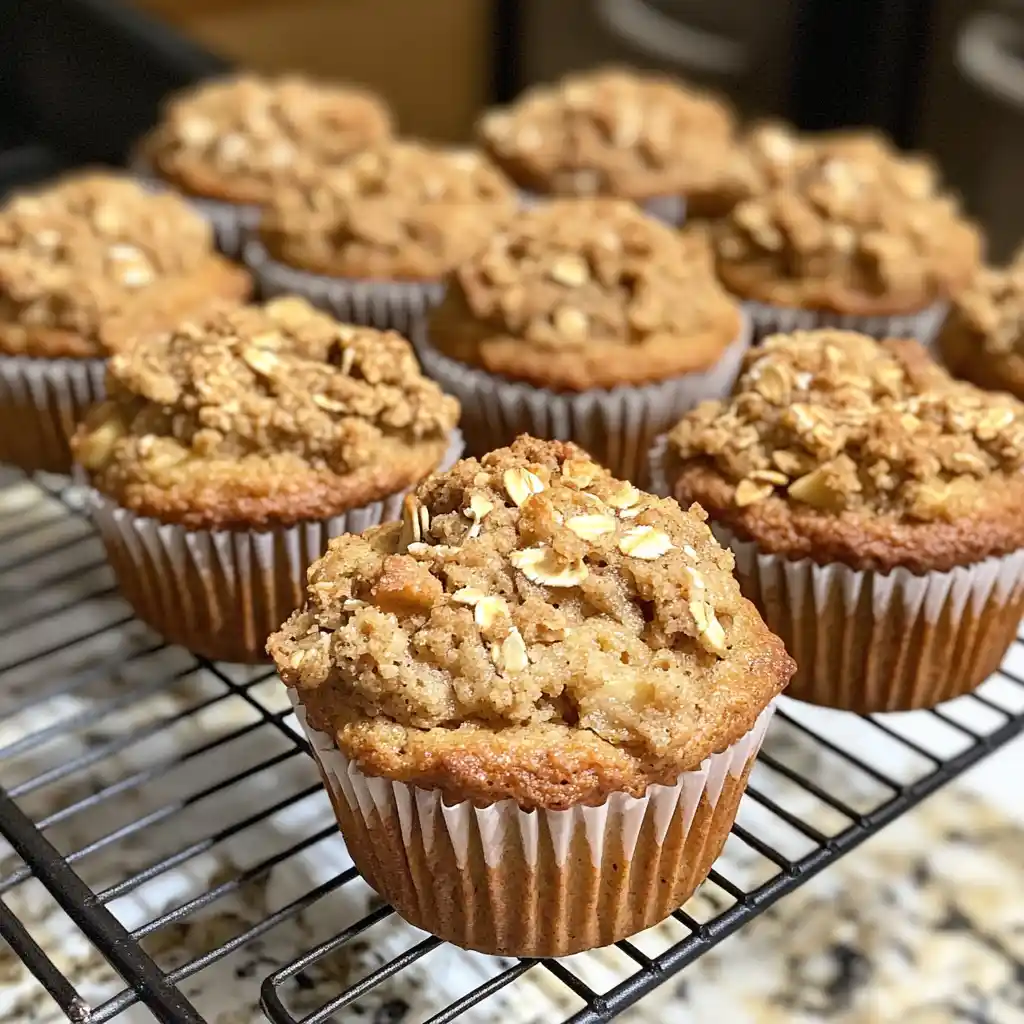
These tender apple oat muffins taste like fall in every bite—packed with diced apples, hearty oats, and warm cinnamon that makes your kitchen smell incredible.
Prep Time: 15 minutes | Cook Time: 20 minutes | Total Time: 35 minutes | Servings: 12 muffins
Ingredients
- 1 cup all-purpose flour (spoon it into the cup and level off—don’t pack it)
- 1 cup rolled oats (old-fashioned oats, not quick oats)
- 1/2 cup brown sugar (packed, but break up any clumps)
- 1 tsp baking powder (make sure it’s fresh)
- 1/2 tsp baking soda
- 1/2 tsp salt
- 1 tsp ground cinnamon (fresh cinnamon makes such a difference)
- 1/2 cup milk (any kind works, even plant-based)
- 1/4 cup vegetable oil (keeps them tender longer than butter)
- 1 large egg (room temperature blends better)
- 1 tsp vanilla extract
- 1 cup diced apples (about 1 large apple, cut into 1/4-inch pieces)
Instructions
- Crank your oven to 375°F and line a 12-cup muffin tin with paper liners. Don’t skip the liners unless you enjoy scrubbing stuck muffin bits later.
- In a large bowl, whisk together flour, oats, brown sugar, baking powder, baking soda, salt, and cinnamon. Break up any brown sugar clumps so you don’t get pockets of sweetness.
- In a separate bowl, whisk together milk, oil, egg, and vanilla extract until smooth. Make sure that egg is fully incorporated.
- Pour the wet ingredients into the dry ingredients and stir with a wooden spoon or spatula until just combined. Here’s the crucial part: stop when you still see flour streaks and lumps. The batter should look rough and shaggy, not smooth—overmixing makes tough, dense muffins.
- Gently fold in the diced apples. Use a light hand here; you’re not beating anything, just incorporating.
- Use a spoon or ice cream scoop to divide batter evenly among muffin cups, filling each about 3/4 full. Too much and they’ll overflow; too little and they won’t have nice domed tops.
- Bake for 18-20 minutes, checking at 18. A toothpick inserted into the center should come out clean or with just a few moist crumbs. Every oven runs differently, so trust your eyes.
- Let them cool in the tin for 5 minutes (this helps them set), then transfer to a wire rack. If you can resist eating them slightly warm with butter, you’re stronger than me.
Nutrition Information (Per Muffin):
- Calories: 165
- Carbohydrates: 27g
- Protein: 3g
- Fat: 6g
- Fiber: 2g
- Sodium: 180mg
- Vitamin C: 2% DV
- Iron: 6% DV
These muffins give you whole grain goodness from the oats and natural fruit sweetness from the apples—basically breakfast that tastes like dessert but won’t make you crash an hour later.
Notes:
- Seriously, don’t overmix the batter. Lumpy and rough is exactly what you want—smooth batter means tough muffins.
- Old-fashioned rolled oats are key here. Quick oats turn mushy, and steel-cut stay too crunchy.
- Room temperature egg blends better with the oil and creates a more uniform batter.
- Check early and often—muffins go from perfect to dry and overbaked in just a couple minutes.
- Toss the diced apples in a little flour before adding if you want them distributed throughout instead of sinking.
Storage Tips:
These apple oat muffins keep beautifully at room temperature in an airtight container for 3 days—they actually taste even better the next day once flavors meld. For longer storage, refrigerate for up to a week, though they might dry out slightly (just warm them up for 10 seconds in the microwave). Freeze cooled muffins in a freezer bag for up to 3 months—they thaw quickly at room temperature or microwave from frozen in 30-45 seconds. Don’t store them uncovered or they’ll get stale and hard. If they do dry out a bit, split and toast them with butter—totally saves them.
Serving Suggestions:
- Classic Breakfast: Serve warm with salted butter melting into every bite and a hot cup of coffee
- Lunch Box Addition: Pack in school or work lunches with string cheese and fruit for a balanced meal
- Afternoon Snack: Pair with a glass of cold milk or hot tea for the perfect 3pm pick-me-up
- Weekend Brunch: Serve alongside scrambled eggs and fresh fruit for a cozy fall brunch spread
Mix It Up (Recipe Variations):
Cranberry Apple Oat Muffins: Add 1/2 cup fresh or dried cranberries along with the apples for a tart, festive twist that’s perfect for holiday mornings.
Nutty Apple Muffins: Fold in 1/2 cup chopped walnuts or pecans for extra crunch and richness. Toast the nuts first for even better flavor.
Cinnamon Sugar Apple Muffins: Brush the tops with melted butter right after baking and sprinkle with cinnamon sugar. Tastes like a bakery specialty but costs pennies.
Healthier Apple Oat Muffins: Swap half the all-purpose flour for whole wheat flour and reduce brown sugar to 1/3 cup. Still delicious, just a bit more virtuous.
What Makes This Recipe Special:
These apple oat muffins follow the classic muffin-method mixing technique where wet and dry ingredients stay separate until the last moment, then combine with minimal stirring. This prevents gluten development that creates tough, cake-like texture. The combination of oats and fresh apples provides natural moisture and structure—oats absorb liquid slowly while apples release juice during baking, keeping everything tender for days. What sets these apart from store-bought versions is balanced sweetness and real fruit flavor without excessive sugar or oil.
