
Ever wonder why restaurant chow mein has that perfect balance of tender noodles, crisp vegetables, and savory sauce that you just can’t seem to recreate at home? I used to think authentic Chicken Chow Mein Noodles required a restaurant-grade wok and some secret Chinese cooking technique I’d never master. Then my college roommate’s mom showed me this foolproof recipe during winter break, and now I make this Chinese-style stir-fry at least once a week (my husband actually requests it more than any other dinner, and I’m pretty sure he’d choose these noodles over his birthday meal if I let him). Turns out, making restaurant-quality Chicken Chow Mein Noodles at home is way more about timing and heat than fancy equipment.
Here’s the Thing About This Recipe
What makes these Chicken Chow Mein Noodles work so well is the combination of high heat, quick cooking, and that perfect sauce that coats everything without making it soggy. Here’s what I’ve learned: the secret is having everything prepped and ready before you start cooking—once that wok or skillet gets hot, things move fast. I learned the hard way after burning garlic and ending up with mushy vegetables more times than I’d like to admit. The mix of soy sauce, oyster sauce, and hoisin creates that savory-sweet umami flavor that makes Chinese takeout so addictive, while the sesame oil adds this subtle nutty finish. It’s honestly that simple—you just need to move quickly and keep everything hot.
What You’ll Need (And My Shopping Tips)
Good chow mein noodles are worth finding at an Asian market—they’re thicker and chewier than regular spaghetti and hold up way better in stir-fries. I learned this after trying regular pasta and being disappointed every single time. If you can’t find fresh chow mein noodles, dried ones work perfectly fine (that’s actually what I use most of the time).
For the sauces, oyster sauce is non-negotiable—it adds this deep, savory richness that makes Chicken Chow Mein Noodles taste authentic. Hoisin sauce brings sweetness and body to the sauce mixture. Don’t skip the sesame oil either; just a little bit transforms the whole dish (though don’t cook with it—add it at the end because it burns easily). If you want to learn more about Chinese cooking sauces and techniques, it’s fascinating how different regions use different flavor profiles.
Fresh vegetables make all the difference here—cabbage adds crunch and bulk, bell peppers give sweetness and color, and mushrooms bring earthiness. I always grab extra cabbage because it cooks down way more than you’d think. For the chicken, boneless skinless breast works great, but slice it thin so it cooks fast and stays tender. Fresh garlic and ginger (though not listed, I sometimes sneak in a little grated ginger) make these Chinese-style noodles smell incredible while cooking.
Let’s Make This Together
Start by getting those chow mein noodles cooking according to the package directions—drain them and set aside when they’re done. Here’s my secret that took forever to figure out: toss them with a tiny bit of oil so they don’t stick together while you’re cooking everything else. I used to skip this and end up with a giant noodle clump.
Now here’s where things move fast, so read this whole section before you start cooking. Heat your biggest skillet or wok over medium-high heat and add the vegetable oil. When it’s shimmering (not smoking), toss in the minced garlic and sliced onion. Sauté for about 30 seconds until it smells amazing—don’t walk away because garlic goes from perfect to burned in seconds. Here’s where I used to mess up: I’d let the garlic sit too long and it would turn bitter.
Add your thinly sliced chicken and cook, stirring constantly, until it’s no longer pink—about 3-4 minutes. Now pile in the bell pepper, mushrooms, and cabbage. Keep everything moving in the pan, stirring every 20-30 seconds. You want the vegetables tender-crisp, not mushy—this takes about 4-5 minutes.
While the vegetables are cooking, mix your sauce in a small bowl: soy sauce, oyster sauce, hoisin sauce, sesame oil, and a pinch of salt and pepper. Pour this sauce mixture over everything in the pan and give it a good stir. Now add those cooked noodles and toss everything together using tongs or two spatulas, making sure every strand gets coated in that savory sauce. This is the best part—watching it all come together into glossy, restaurant-style Chicken Chow Mein Noodles. Cook for another 2-3 minutes, tossing constantly, until everything’s heated through and the noodles have absorbed some of that delicious sauce.
Pull it off the heat, scatter chopped green onions over the top, and serve immediately. If you love Chinese takeout flavors, you should also try this Vegetable Fried Rice recipe next—it’s the perfect side dish or another easy weeknight winner.
If This Happens, Don’t Panic
Noodles turned out mushy and soft? You probably overcooked them initially or let them sit in the pan too long. In reality, I’ve learned to slightly undercook the noodles since they’ll cook more in the stir-fry. This is totally fixable next time—just watch that timer.
Chicken dry and tough? You either overcooked it or sliced it too thick. This happens when you walk away from the stove—stir-frying requires constant attention. Thin slices cook fast and stay tender, while thick chunks get rubbery.
Vegetables soggy instead of crisp? Your heat wasn’t high enough or you cooked them too long. Every stove has its own personality, but for Chicken Chow Mein Noodles you want things sizzling and moving constantly. Don’t panic if this happens—they’ll still taste good, just not restaurant-perfect.
Sauce too salty or too bland? Next time, taste as you go and adjust. I always start with slightly less soy sauce than called for because you can add more but can’t take it away. If it’s too salty, add a splash of water and a pinch of sugar to balance it out.
When I’m Feeling Creative
When I’m feeling fancy, I’ll make Spicy Chicken Chow Mein by adding sriracha or chili garlic sauce to the sauce mixture—the heat is addictive. Around the holidays, I’ll do Veggie-Loaded Chow Mein with extra snap peas, bean sprouts, and bok choy for a lighter version that’s just as satisfying.
For Garlic Lover’s Chow Mein, I double the garlic and add it at the end for maximum punch. Shrimp Chow Mein works beautifully if you swap the chicken for large shrimp—they cook even faster. My vegetarian friends love Tofu Chow Mein when I use crispy pan-fried tofu instead of chicken, though I press the tofu first so it doesn’t fall apart.
What Makes This Recipe Special
Chow mein, which literally means “fried noodles” in Chinese, has been a staple of Chinese-American cuisine since Chinese immigrants brought their culinary traditions to America in the 19th century. What sets authentic Chinese-style chow mein apart is the technique of stir-frying over high heat—this creates that signature “wok hei” or breath of the wok that gives restaurant dishes their special flavor. The combination of tender noodles, crisp vegetables, and savory sauce reflects the Chinese culinary principle of balancing textures and flavors in a single dish. This recipe honors those traditional Chinese stir-frying techniques while being totally achievable in a home kitchen with a regular skillet. I’ve made these Chicken Chow Mein Noodles for everyone from picky kids to my Chinese-American friends, and they all come back asking for the recipe.
Things People Ask Me About This Recipe
Can I make these Chicken Chow Mein Noodles ahead of time?
You can prep all the ingredients ahead—slice the chicken, chop the vegetables, mix the sauce—but the actual cooking should be done right before serving. Stir-fries lose their magic when reheated, though I’ll admit I’ve eaten cold leftovers straight from the fridge and they’re still pretty good.
What if I can’t find chow mein noodles?
Use lo mein noodles, linguine, or even spaghetti in a pinch. The texture will be slightly different, but the flavors will still be there. I’ve used regular spaghetti when desperate and it worked fine—not authentic, but definitely tasty.
Can I use different vegetables in this Chinese-style stir-fry?
Absolutely! Snap peas, broccoli, carrots, bok choy, bean sprouts—basically any vegetable that cooks quickly works great. Just keep in mind harder vegetables like broccoli might need a minute longer than softer ones like cabbage.
Is this Chicken Chow Mein Noodles recipe beginner-friendly?
Mostly, yes! The only tricky part is the speed—stir-frying happens fast, so have everything prepped before you start. If you’re nervous, turn the heat down slightly so you have more time to react. You’ve got this!
How do I get that restaurant smoky flavor?
That’s the “wok hei” I mentioned—it comes from crazy high heat and a well-seasoned wok. You can approximate it in a home kitchen by using the highest heat your stove allows and working in batches if your pan isn’t huge. A cast-iron skillet gets hotter than non-stick and helps.
Can I make this gluten-free?
Yes! Use gluten-free soy sauce (or tamari), gluten-free hoisin sauce, and rice noodles instead of wheat-based chow mein noodles. Check your oyster sauce label too—most are gluten-free but not all.
Before You Head to the Kitchen
I couldn’t resist sharing this recipe because once you master homemade Chicken Chow Mein Noodles, you’ll realize ordering takeout feels unnecessary—and honestly, yours will probably taste better. The best noodle nights around here are when everyone’s standing around the stove with forks, eating straight from the pan because it smells too good to wait for plates.
Print
Chicken Chow Mein Noodles
Description
Tender chicken and crisp vegetables tossed with chewy noodles in a savory-sweet sauce that rivals any Chinese restaurant. These homemade Chicken Chow Mein Noodles come together in 30 minutes and taste better than takeout.
Prep Time: 15 minutes | Cook Time: 15 minutes | Total Time: 30 minutes | Servings: 4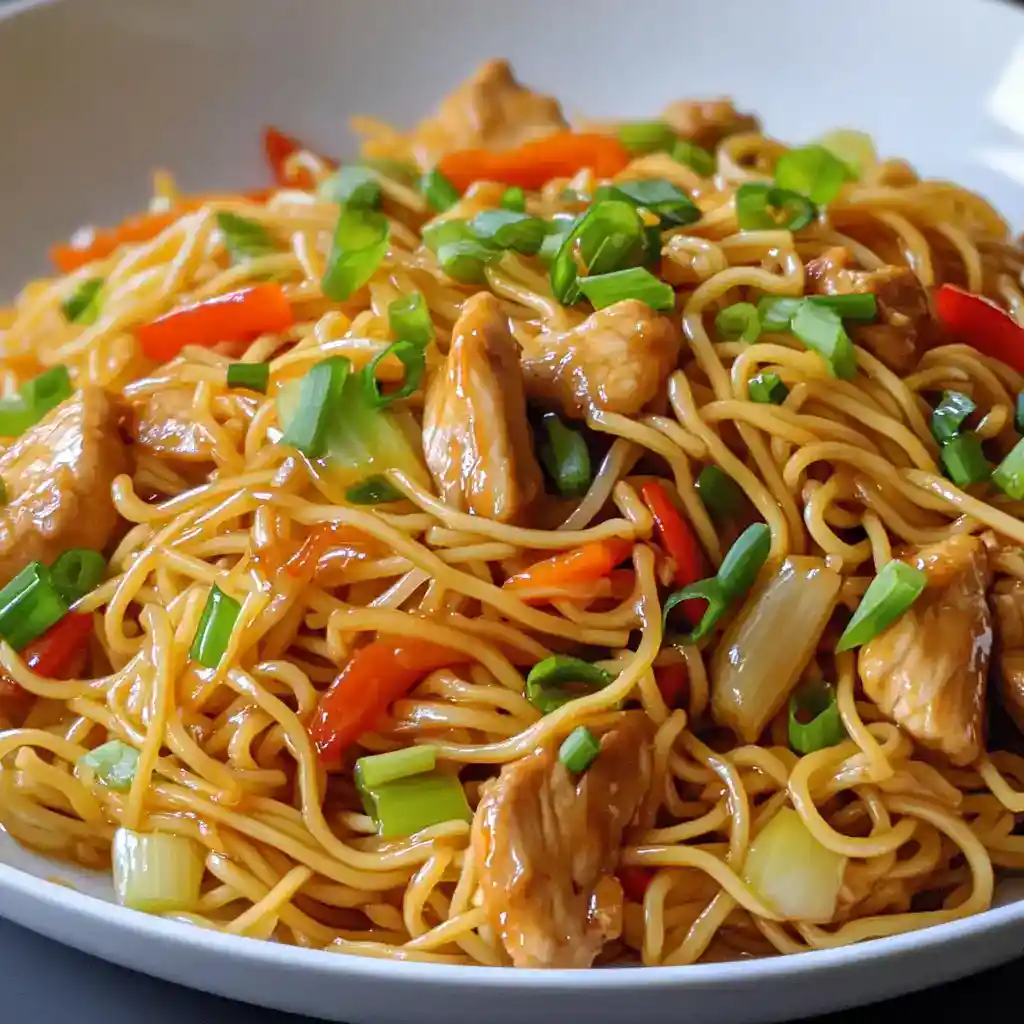
Ingredients
For the Noodles:
- 8 oz chow mein noodles (or lo mein noodles—follow package directions)
- 8 oz boneless, skinless chicken breast, thinly sliced (thin is key for tender chicken)
- 2 tablespoons vegetable oil (or any neutral oil with high smoke point)
- 2 cloves garlic, minced fine
- 1 small yellow onion, sliced thin
- 1 red bell pepper, julienned (green or orange work too)
- 1 cup sliced mushrooms (button or cremini)
- 2 cups shredded cabbage (napa or regular green cabbage)
For the Sauce:
- 1/4 cup soy sauce (start with 3 tablespoons if you’re worried about salt)
- 2 tablespoons oyster sauce (this is the secret ingredient!)
- 1 tablespoon hoisin sauce
- 1/2 teaspoon sesame oil (adds nutty flavor—don’t skip)
- Salt and pepper, to taste
- 2 green onions, chopped (for garnish)
Instructions
- Get those noodles cooking according to package directions. Drain them, toss with a tiny drizzle of oil so they don’t stick, and set aside while you prep everything else.
- Heat your largest skillet or wok over medium-high heat and add the vegetable oil. When it’s shimmering hot, toss in the minced garlic and sliced onion. Sauté for about 30 seconds, stirring constantly—garlic burns fast, so don’t walk away.
- Add the thinly sliced chicken and cook, stirring frequently, until it’s no longer pink and cooked through—about 3-4 minutes. Keep things moving in the pan.
- Now pile in the bell pepper, mushrooms, and cabbage. Stir everything together and cook for about 4-5 minutes until the vegetables are tender-crisp but not mushy. You want some crunch left in there.
- While the vegetables are cooking, mix together your sauce ingredients in a small bowl: soy sauce, oyster sauce, hoisin sauce, sesame oil, and a pinch of salt and pepper.
- Pour the sauce mixture over everything in the pan and give it a good stir to coat. Now add those cooked noodles and toss everything together using tongs or two spatulas. Keep tossing for about 2-3 minutes until the noodles are heated through and coated in that gorgeous sauce.
- Pull it off the heat, scatter those chopped green onions over the top, and serve immediately while everything’s hot and perfect.
Nutrition Information (Per Serving):
- Calories: 380
- Carbohydrates: 48g
- Protein: 22g
- Fat: 10g
- Fiber: 4g
- Sodium: 920mg
- Vitamin C: 45% DV
- Iron: 15% DV
These noodles provide excellent protein from the chicken and a good dose of vitamin C from the vegetables, making them a relatively balanced meal.
Notes:
- Slice the chicken thin. Thick pieces won’t cook fast enough and will end up dry—aim for 1/4-inch thick strips.
- High heat is your friend. Don’t be scared to crank it up—that’s how you get restaurant-quality results.
- Have everything ready before you start. Stir-frying happens fast, so prep all your ingredients first.
- Don’t overcook the noodles initially. They’ll cook more in the stir-fry, so slightly underdone is perfect.
- Toss constantly. This isn’t the time to multitask—stay at the stove and keep things moving.
Storage Tips:
Store leftover Chicken Chow Mein Noodles in an airtight container in the fridge for up to 3 days. Reheat in a skillet over medium heat with a splash of water or chicken broth to loosen things up—microwaving works but makes the noodles a bit gummy. Don’t freeze this—the texture of the noodles and vegetables gets weird and mushy when thawed. This is best eaten fresh, though cold leftovers straight from the fridge make an excellent midnight snack.
Serving Suggestions:
- With Egg Rolls: The classic Chinese takeout combo—serve with crispy egg rolls or spring rolls
- As a Complete Meal: This is a one-dish wonder with protein, vegetables, and carbs all together
- With Soup: Pair with hot and sour soup or egg drop soup for a full Chinese feast
- Topped with Extras: Add crispy wonton strips, sesame seeds, or extra chili oil for heat
Mix It Up (Recipe Variations):
Spicy Chicken Chow Mein: Add 1-2 tablespoons sriracha or chili garlic sauce to the sauce mixture for serious heat
Veggie-Loaded Chow Mein: Add snap peas, bean sprouts, broccoli, and bok choy for extra vegetables
Garlic Lover’s Chow Mein: Double the garlic and add another clove at the end for maximum garlic punch
Shrimp Chow Mein: Swap chicken for 1 lb large shrimp—they cook even faster at about 2-3 minutes
Tofu Chow Mein: Use pressed, cubed tofu pan-fried until crispy instead of chicken for a vegetarian version
What Makes This Recipe Special:
These Chicken Chow Mein Noodles honor traditional Chinese stir-frying techniques where high heat and constant movement create that signature “wok hei” flavor that makes restaurant dishes so special. The combination of savory oyster sauce, sweet hoisin, and aromatic sesame oil creates authentic Chinese-American flavors that have satisfied millions of takeout lovers. This recipe proves that restaurant-quality stir-fry is totally achievable at home with basic ingredients and a hot skillet—no specialized equipment required.
