
Ever wonder why plant-based bowls at healthy restaurants taste so much more satisfying and flavorful than the boring grains you make at home? I used to think creating hearty, nutritious meals required some kind of meal-prep expertise until I discovered this foolproof easy black beans and buckwheat. Now my family devours this protein-packed dish every week, and I’m pretty sure my coworkers think I’m ordering fancy lunch bowls (if only they knew I literally just sauté aromatics and mix in cooked beans and buckwheat—the whole thing takes 15 minutes and tastes like a Southwestern café).
Here’s the Thing About This Recipe
What makes this easy black beans and buckwheat work is the combination of earthy black beans with nutty buckwheat—you’re getting complete protein and satisfying texture in one bowl. I learned the hard way that under-seasoning gives you bland health food nobody wants to eat. The cumin and chili powder create that Southwestern warmth, while the sautéed onion and garlic build a savory base. It’s honestly that simple—no complicated steps, just smart seasoning and good ingredients combined at the right time.
What You’ll Need (And My Shopping Tips)
Good cooked black beans are your foundation—you can use canned (drained and rinsed) or cook dried beans ahead. Don’t be me—I used to use beans straight from the can without rinsing, and ended up with a starchy, weird-tasting dish three times before I figured out that rinsing removes that canned flavor. Look for cans without added salt if you want to control sodium (happens more than I’d like to admit that I forget to check the label).
The buckwheat matters here too. I always use plain buckwheat groats (kasha) that I cook separately according to package directions—despite its name, buckwheat is naturally gluten-free and has a distinctive nutty flavor. For the cumin, ground cumin that’s relatively fresh makes all the difference because old spices taste flat. The chili powder should be pure chili powder, not a blend with tons of salt. Fresh cilantro for garnish isn’t optional—it adds brightness that balances the earthy beans and grains. Fresh lime juice is essential for the finishing touch. Good olive oil for sautéing builds flavor from the start.
Let’s Make This Together
Start by heating your olive oil in a large skillet over medium heat. Add your diced onion and minced garlic, then sauté for about 3-4 minutes until fragrant and the onion turns translucent. Here’s where I used to mess up: I’d have the heat too high and burn the garlic before the onions were soft.
Now for the fun part—add your cooked black beans and cooked buckwheat to the skillet. Here’s my secret: make sure both the beans and buckwheat are already cooked and just need reheating—this isn’t a recipe where you cook them from scratch in the skillet. Stir in the ground cumin, chili powder, salt, and pepper.
Cook everything together for about 5 minutes, stirring occasionally, to let the flavors meld and everything heat through completely. Just like my quinoa black bean bowl, this final cooking step is where the magic happens as the seasonings coat everything and the flavors marry.
Taste and adjust seasoning—you might need more salt, cumin, or chili powder depending on your preferences and how well-seasoned your beans and buckwheat were to begin with. Remove from heat and serve garnished generously with fresh cilantro and lime wedges on the side. I learned this from a Mexican cookbook I love—that squeeze of fresh lime right before eating brightens everything and ties the dish together.
If This Happens, Don’t Panic
Dish tastes bland and boring? You probably didn’t season enough or forgot to rinse canned beans. In reality, I’ve learned to season generously with salt and spices because both beans and grains absorb a ton of seasoning. If it’s too dry and the beans/buckwheat are sticking to the pan (and they will if you didn’t use enough oil), don’t panic—just add a splash of water or vegetable broth to loosen everything up.
Buckwheat is mushy instead of fluffy? You probably overcooked it originally or added it to the skillet when it was too hot and wet. I always cook buckwheat separately following package directions, then add it to the skillet at the end just to heat through. If the flavors taste one-dimensional, you probably didn’t cook the onions and garlic enough—happens to everyone. That sautéing step builds essential flavor foundation.
Ways to Mix It Up
When I’m feeling fancy, I’ll make Southwestern Beans and Buckwheat by adding diced bell peppers and corn along with the beans—perfect for a more colorful, complete meal. Around taco night, I’ll do a Spicy Chipotle Version with chipotle powder instead of regular chili powder for smoky heat.
For Mediterranean Black Beans, I sometimes swap the cumin and chili for oregano and add diced tomatoes and olives. My favorite lazy variation is the Simple Beans and Grains—skip the spices entirely when I’m out and just do garlic, salt, and pepper for a neutral base I can use different ways.
What Makes This Recipe Special
This easy black beans and buckwheat represents modern healthy eating that doesn’t sacrifice flavor or satisfaction. What sets this apart from typical grain bowls is using buckwheat instead of rice or quinoa—it has a distinctive nutty flavor and despite its name is actually a pseudo-grain that’s naturally gluten-free. Paired with protein-rich black beans and Southwestern spices, this becomes a complete meal that’s genuinely satisfying without any meat, proving that the best plant-based cooking doesn’t try to imitate meat dishes but celebrates grains and legumes on their own terms.
Things People Ask Me About This Recipe
Can I make this easy black beans and buckwheat ahead of time?
Absolutely! It actually tastes better after sitting for a few hours as the flavors continue developing. Just store it in the fridge for up to 4 days and reheat gently.
What if I can’t find buckwheat for this recipe?
Quinoa, brown rice, or farro all work beautifully with the same technique. Just cook them separately first, then add to the skillet with the beans.
Is this easy black beans and buckwheat filling enough for dinner?
Totally! The combination of black beans and buckwheat provides complete protein and fiber. Add a side salad or some avocado and you’ve got a complete meal.
Can I use canned beans instead of cooking dried ones?
Yes! Canned beans work perfectly—just drain and rinse them well before adding to the skillet. One 15-oz can equals about 1.5 cups cooked beans.
Is this black beans and buckwheat recipe beginner-friendly?
Absolutely! If you can sauté vegetables and stir things together, you can make this. The hardest part is just cooking the beans and buckwheat ahead of time.
Why does my buckwheat taste bitter?
Buckwheat has a naturally earthy, slightly bitter flavor—that’s normal. The lime juice and cilantro help balance it, or you can use less buckwheat and more beans if you’re sensitive to the taste.
Why I Had to Share This
I couldn’t resist sharing this easy black beans and buckwheat because it’s proven that healthy, plant-based meals can be just as hearty and flavorful as anything else. The best weeknight dinners are when something nutritious comes together fast, tastes amazing, and gives you leftovers for lunch—this recipe checks all those boxes.
Print
Easy Black Beans and Buckwheat
Description
A hearty, flavorful easy black beans and buckwheat with Southwestern spices—ready in just 15 minutes for a complete plant-based meal packed with protein and nutrients.
Prep Time: 5 minutes | Cook Time: 10 minutes | Total Time: 15 minutes | Servings: 4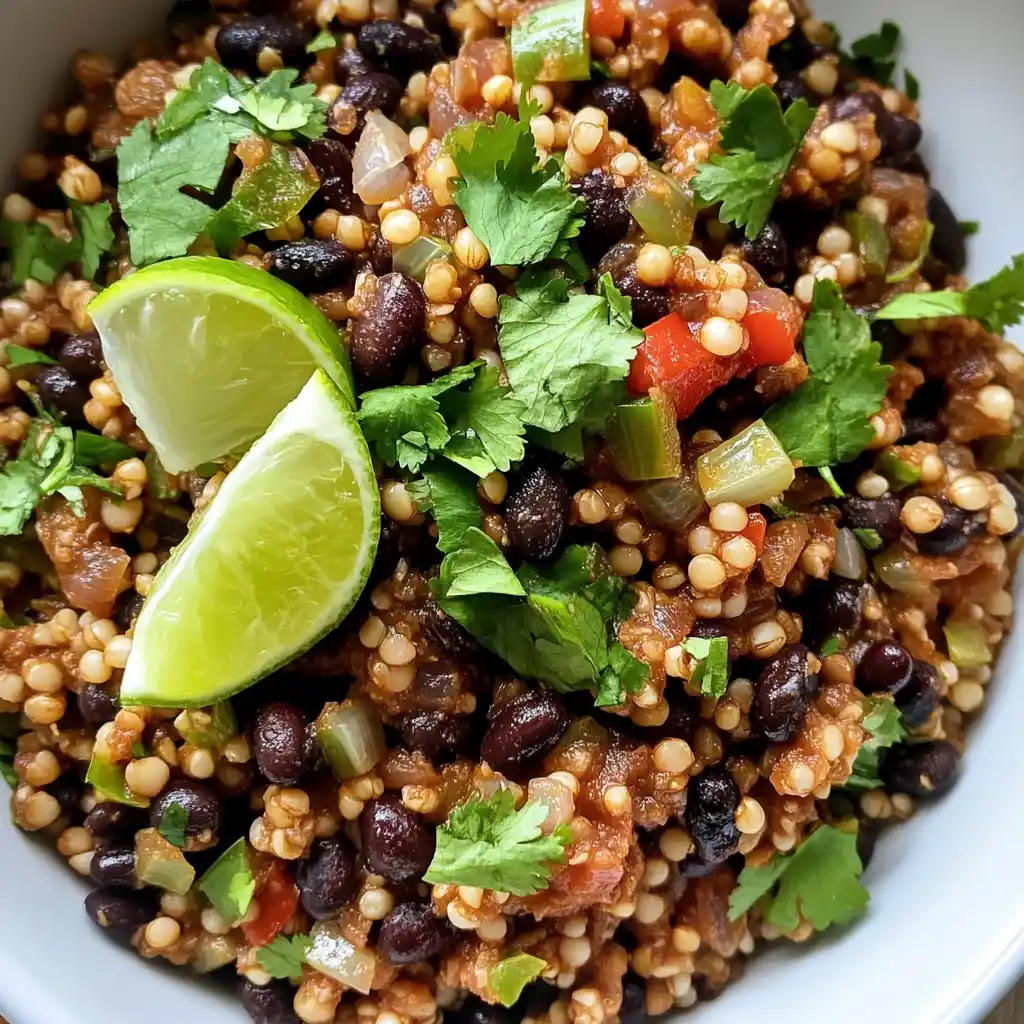
Ingredients
- 1 cup black beans, cooked (or one 15-oz can, drained and rinsed well)
- 1 cup buckwheat, cooked (cook separately according to package directions)
- 1 tablespoon olive oil
- 1 small onion, diced
- 2 cloves garlic, minced
- 1 teaspoon ground cumin (make sure it’s relatively fresh)
- 1/2 teaspoon chili powder (pure chili powder, not a blend)
- Salt and pepper to taste (start with 1/2 teaspoon salt)
- Fresh cilantro, for garnish (don’t skip this—it adds essential brightness)
- wedges, for serving (fresh lime juice ties everything together)
Instructions
- In a large skillet, heat the olive oil over medium heat. Add the diced onion and minced garlic, then sauté for 3-4 minutes until fragrant and the onion turns translucent and soft. Don’t let the garlic burn.
- Add the cooked black beans and cooked buckwheat to the skillet. Make sure both are already cooked and just need reheating—this isn’t where you cook them from scratch. Stir in the ground cumin, chili powder, salt, and pepper, mixing everything well so the spices coat all the beans and grains.
- Cook for another 5 minutes, stirring occasionally, to allow the flavors to meld and everything to heat through completely. You’ll smell the spices toasting and see everything come together beautifully.
- Taste and adjust seasoning if needed—you might want more salt, cumin, or chili powder depending on how well-seasoned your beans and buckwheat were originally. Don’t be shy with the salt.
- Remove from heat and transfer to serving bowls. Garnish generously with fresh chopped cilantro and serve with lime wedges on the side—encourage everyone to squeeze fresh lime over their bowls right before eating.
- Enjoy this as a main course bowl, or serve as a hearty side dish to tacos, grilled vegetables, or your favorite Mexican-inspired meal!
Nutrition Information (Per Serving):
- Calories: 245
- Carbohydrates: 42g
- Protein: 12g
- Fat: 5g
- Fiber: 10g
- Sodium: 320mg
- Iron: 20% DV
- Magnesium: 25% DV
- Folate: 30% DV
- Manganese: 35% DV
This dish provides complete plant-based protein from the combination of beans and buckwheat, plus substantial fiber and minerals for a nutritionally dense meal.
Notes:
- Seriously, cook your beans and buckwheat separately ahead of time—this skillet step is just for combining and seasoning
- Rinse canned beans well or they’ll taste starchy and weird
- Fresh cumin and chili powder make a huge difference—old spices taste flat
- Don’t skip the fresh lime juice at the end—it brightens everything
- Taste and adjust seasoning generously because beans and grains absorb a lot
Storage Tips:
- Keep refrigerated in an airtight container for up to 4 days
- Freeze in portions for up to 3 months in freezer-safe containers
- Reheat gently with a splash of water or broth to loosen it up
- The flavors actually improve overnight, so this is perfect for meal prep
Serving Suggestions:
- Bowl Style: Top with avocado, salsa, and a dollop of Greek yogurt
- Burrito Filling: Use as filling for burritos or burrito bowls
- Taco Night: Serve alongside tacos as a hearty side dish
- Grain Bowl: Add roasted vegetables and a drizzle of tahini for a complete bowl
Mix It Up (Recipe Variations):
- Southwestern Version: Add diced bell peppers and corn with the beans for more color
- Spicy Chipotle: Use chipotle powder instead of regular chili powder for smoky heat
- Mediterranean Black Beans: Swap cumin/chili for oregano, add tomatoes and olives
- Simple Beans and Grains: Skip the spices for a neutral base you can season different ways
What Makes This Recipe Special:
This easy black beans and buckwheat showcases buckwheat—a naturally gluten-free pseudo-grain with a distinctive nutty flavor that’s been cultivated for thousands of years. Unlike typical grain bowls that rely on rice or quinoa, buckwheat provides unique taste and texture while delivering complete protein when paired with black beans. The Southwestern spice profile transforms these humble ingredients into something genuinely crave-worthy, proving that the best plant-based meals don’t try to imitate meat but instead celebrate grains and legumes for their own unique qualities.
