
Ever wonder why some one-pot pasta dishes turn out perfectly cooked while others leave you with mushy noodles swimming in watery broth? I used to think making easy black beans and pasta was just a matter of dumping everything together until I discovered this foolproof method that cooks the pasta right in the seasoned broth. Now my family requests this hearty, budget-friendly dish at least twice a month, and I’m pretty sure my kids don’t even realize they’re eating a completely plant-based meal (if only they knew how many times I ended up with gummy, overcooked pasta before learning the right liquid ratio).
Here’s the Thing About This Recipe
What makes this easy black beans and pasta work is cooking the pasta directly in the seasoned vegetable broth—the noodles absorb all those spices and aromatics while releasing starch that creates a naturally creamy sauce. I learned the hard way that you can’t just use any amount of liquid; the ratio needs to be precise enough to cook the pasta without leaving you with soup or a dried-out mess. This Latin-inspired comfort dish brings together pantry staples in one pot for maximum flavor with minimal cleanup. It’s honestly that simple: aromatics, warm spices, good broth, and the patience to let the pasta cook at a steady simmer.
What You’ll Need (And My Shopping Tips)
Good canned black beans are worth rinsing thoroughly—look for brands with firm beans that hold their shape, not mushy ones falling apart (I learned this after buying the cheapest can three times and ending up with bean paste instead of whole beans). You’ll need one 15-ounce can, which is the standard size.
For the pasta, grab whatever shape you love—I prefer short shapes like penne, rotini, or shells that catch the sauce better than long noodles. You’ll need 8 ounces, which is half a standard box. Don’t cheap out on pasta that breaks easily or cooks unevenly (happens more than I’d like to admit when I grab the store brand that’s literally a dollar for a giant bag).
For aromatics and seasoning, you’ll need a small onion, fresh garlic (not the jarred stuff—it makes a difference here), ground cumin, paprika, cayenne pepper, salt, pepper, and olive oil. These warm spices create that Latin-inspired flavor profile that makes this taste way more complex than the effort required.
For liquid, grab vegetable broth—I use low-sodium so I can control the salt level myself. The quality of your broth matters since the pasta cooks directly in it and absorbs all that flavor.
Fresh cilantro for garnish isn’t just decoration—it adds that bright, fresh pop that takes this from “weeknight dinner” to “I actually tried.” If you’re curious about the nutritional powerhouse that is black beans, Wikipedia has great information about these protein-packed legumes native to the Americas.
Let’s Make This Together
Start by heating 2 tablespoons of olive oil in a large pot over medium heat. Here’s where I used to mess up: I’d use too small a pot and everything would boil over. Use your biggest pot—at least 4 quarts if you have it.
Add your diced onion and minced garlic, and sauté for about 3-4 minutes until the onion softens and becomes translucent. The garlic should be fragrant but not brown—if it starts browning, your heat is too high.
Now for the spice blooming—add the cumin, paprika, cayenne pepper, salt (I start with about 1 teaspoon), and pepper (about 1/2 teaspoon) to the pot. Stir well for about 30 seconds to toast the spices and combine them with the aromatics. This step releases the essential oils in the spices and prevents that raw, powdery taste. Here’s my secret: don’t skip this step even though it’s tempting to just dump everything in at once.
Pour in the vegetable broth and bring the mixture to a simmer—you’ll see gentle bubbles breaking the surface. Taste the broth at this point and adjust seasoning if needed, because once the pasta goes in, it’s harder to fix.
Add the pasta to the simmering broth and cook according to package instructions, stirring occasionally to prevent sticking. This is crucial: the pasta needs to cook at a steady simmer, not a rolling boil, and you need to stir it every few minutes or it’ll stick to the bottom. Trust me on this one—I’ve scraped burnt pasta off the bottom of too many pots to count.
Once the pasta is almost al dente (about 2 minutes before the package time suggests), add the drained and rinsed black beans and stir gently to incorporate. You want to heat the beans through without overcooking the pasta. Cook for an additional 2-3 minutes until the beans are warmed and the pasta reaches perfect al dente texture. I learned this timing trick from my Italian cooking mentor who taught me that pasta continues cooking even after you remove it from heat.
Check the seasoning and adjust with more salt, pepper, or spices as needed. The pasta will have absorbed a lot of the liquid, leaving you with just enough saucy goodness coating everything—not soup, not dry, just right. If you’re looking for another one-pot pasta recipe, try this One-Pot Tomato Basil Pasta that uses similar techniques.
Remove from heat and garnish generously with chopped fresh cilantro. The green against the dark beans and golden pasta makes this look way more impressive than the 20 minutes of effort it took (I learned this presentation trick from my food blogger neighbor who always makes everything Instagram-worthy).
If This Happens, Don’t Panic
Pasta turned mushy and overcooked? You cooked it too long or at too high heat. In reality, I’ve learned to set a timer and check the pasta 2 minutes before the package suggests, pulling it off heat when it’s still slightly firm. This is fixable for next time with careful timing.
Not enough liquid and pasta is still crunchy? Your heat was too high and the liquid evaporated too fast. If this happens (and it will), just add more broth or water 1/2 cup at a time and keep cooking until the pasta is tender. Don’t panic—this is totally fixable.
Dish turned out watery like soup? You used too much broth or didn’t let it reduce enough. Next time, measure the liquid carefully and let it cook uncovered for the last few minutes to evaporate excess liquid. Or just embrace it and call it pasta soup—still delicious.
Tastes bland despite the spices? You need way more salt than you think. Black beans and pasta are both pretty neutral, so this needs generous seasoning. I always taste multiple times and add salt in stages now because undersalted food is the most common problem in home cooking.
When I’m Feeling Creative
Cheesy Black Bean Pasta: When I want something more indulgent, I’ll stir in 1/2 cup of shredded cheddar or pepper jack cheese at the end for a creamy, melty version that feels like comfort food.
Veggie-Loaded Version: Add 1 cup of frozen corn, diced bell peppers, or chopped spinach during the last 5 minutes of cooking for extra vegetables and nutrition. Around summer, fresh corn and peppers make this incredible.
Spicy Southwestern Pasta: Increase the cayenne to 1/2 teaspoon and add a diced jalapeño with the onions for serious heat lovers.
Lime Cilantro Black Bean Pasta: Add the juice and zest of one lime at the end along with extra cilantro for a brighter, more vibrant finish.
What Makes This Recipe Special
This easy black beans and pasta represents the evolution of budget-friendly, plant-based cooking that doesn’t sacrifice flavor or satisfaction. The technique of cooking pasta directly in seasoned broth (similar to Italian pasta risottata method) creates a dish that’s more than the sum of its parts—the pasta absorbs the spices while releasing starch that naturally thickens the cooking liquid into a light sauce. What makes this recipe particularly special is its accessibility: every ingredient is a pantry staple or inexpensive grocery store find, making this perfect for end-of-the-week cooking when fresh ingredients are scarce. Black beans have been a staple in Latin American cuisine for thousands of years, providing affordable, high-quality protein and fiber long before plant-based eating became trendy. The combination of beans and pasta might seem unusual to some, but it’s actually a smart pairing—the beans provide complete protein when combined with the grain-based pasta, creating a nutritionally balanced meal. The one-pot methodology isn’t just convenient; it’s also a technique that builds flavor by allowing ingredients to cook together and share their qualities. The history of black beans shows they’ve been cultivated in Central and South America for over 7,000 years, making them one of the oldest domesticated crops in the Americas.
Things People Ask Me About This Recipe
Can I use a different type of pasta for this black beans recipe?
Absolutely! Short shapes like penne, rotini, shells, or farfalle work best because they cook evenly and catch the sauce. Long pastas like spaghetti can work but are trickier to stir without breaking and don’t coat as well with the beans.
How do I prevent the pasta from sticking to the bottom of the pot?
Stir regularly (every 2-3 minutes), make sure you’re using enough liquid, and maintain a steady simmer rather than a rolling boil. A heavy-bottomed pot helps distribute heat evenly and prevents hot spots that cause sticking.
Can I make this easy black beans and pasta gluten-free?
Yes! Just substitute gluten-free pasta and adjust the cooking time according to the package directions. Gluten-free pasta sometimes needs slightly more liquid, so keep extra broth on hand to add if needed.
Can I use dried beans instead of canned?
You can, but you’ll need to cook them separately first until tender, then add them at the end. Canned beans are really the convenience factor that makes this a quick weeknight meal—dried beans would add hours to the process.
Is this recipe vegan?
Yes! As written, this recipe is completely vegan and vegetarian. Just make sure your pasta doesn’t contain eggs (most dry pasta is just semolina and water, but fresh pasta often has eggs).
How do I store and reheat leftovers?
Store in an airtight container in the fridge for up to 4 days. The pasta will continue absorbing liquid as it sits, so it’ll be thicker the next day. Reheat on the stovetop with a splash of vegetable broth or water to loosen it up, or microwave with a damp paper towel on top to prevent drying.
One Last Thing
I couldn’t resist sharing this easy black beans and pasta because it’s the recipe that taught me weeknight cooking doesn’t have to be complicated or expensive to be satisfying. The best one-pot nights are when you’re done with dinner, look at the single pot in the sink, and realize you just fed your family a nutritious, delicious meal for less than the cost of takeout. You don’t need fancy ingredients or complicated techniques—just pantry staples, one pot, and the willingness to let everything cook together into something greater than its parts.
Print
Easy Black Beans and Pasta
Description
This hearty easy black beans and pasta cooks the noodles directly in seasoned vegetable broth for maximum flavor absorption, combining Latin-inspired spices with pantry staples for a budget-friendly, plant-based one-pot meal that’s ready in 25 minutes.
Prep Time: 5 minutes | Cook Time: 20 minutes | Total Time: 25 minutes | Servings: 4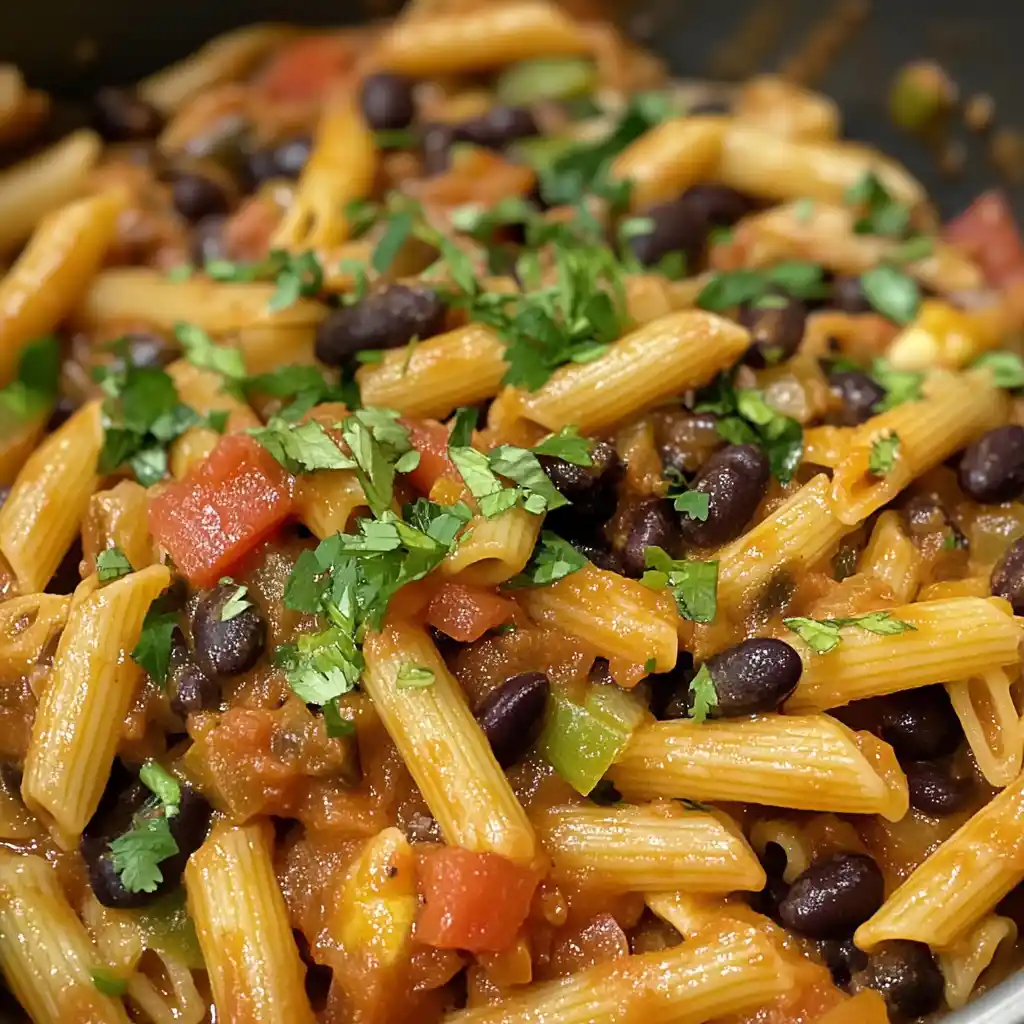
Ingredients
For the One-Pot Meal:
- 8 oz pasta of your choice (penne, rotini, or shells work great)
- 15 oz can black beans, drained and rinsed thoroughly
- 1 small onion, diced (yellow or white works fine)
- 2 cloves garlic, minced (fresh only—it matters here)
- 1 tsp ground cumin
- 1/2 tsp paprika (adds color and subtle sweetness)
- 1/4 tsp cayenne pepper (adjust for heat preference)
- Salt and pepper to taste (start with 1 tsp salt, 1/2 tsp pepper)
- 2 tbsp olive oil
- 2 cups vegetable broth (low-sodium preferred so you control the salt)
For Garnish:
- Fresh cilantro, chopped (don’t skip—it brightens everything)
Instructions
- Heat 2 tablespoons of olive oil in a large pot (at least 4 quarts) over medium heat. You need a big pot or this will boil over—trust me.
- Add the diced onion and minced garlic to the pot. Sauté for about 3-4 minutes until the onion softens and turns translucent and the garlic is fragrant but not brown.
- Add the cumin, paprika, cayenne pepper, salt, and pepper to the pot. Stir well for about 30 seconds to toast the spices and combine with the aromatics—this blooms the spices and prevents that raw, powdery taste.
- Pour in the vegetable broth and bring the mixture to a simmer with gentle bubbles breaking the surface. Taste the broth now and adjust seasoning if needed.
- Add the pasta to the simmering broth. Cook according to package instructions, stirring every 2-3 minutes to prevent sticking to the bottom. Maintain a steady simmer, not a rolling boil, for even cooking.
- Once the pasta is almost al dente (check about 2 minutes before the package time suggests), add the drained and rinsed black beans. Stir gently to incorporate without breaking up the beans too much.
- Cook for an additional 2-3 minutes until the beans are heated through and the pasta reaches perfect al dente texture. The pasta will have absorbed most of the liquid, leaving you with just enough sauce.
- Check the seasoning one more time and adjust with more salt, pepper, or spices as needed. Remember, pasta and beans need generous seasoning.
- Remove from heat and garnish generously with chopped fresh cilantro. Serve hot while the pasta is at its best texture.
Nutrition Information (Per Serving):
- Calories: 320
- Carbohydrates: 54g
- Protein: 13g
- Fat: 8g
- Fiber: 9g
- Sodium: 480mg
- Iron: 20% DV
- Folate: 35% DV
- Magnesium: 15% DV
This easy black beans and pasta provides complete protein from the bean-grain combination, plus exceptional fiber and iron, making it a nutritionally balanced plant-based meal.
Notes:
- Use your biggest pot (at least 4 quarts) or the pasta water will boil over.
- Stir every 2-3 minutes to prevent pasta from sticking to the bottom—this is crucial.
- Maintain a steady simmer, not a rolling boil, for evenly cooked pasta.
- Check pasta 2 minutes before package time suggests and pull it when slightly firm—it continues cooking off heat.
- Every pasta brand cooks differently, so adjust timing as needed and trust your texture test.
Storage Tips:
Store cooled leftovers in an airtight container in the fridge for up to 4 days. The pasta will continue absorbing liquid as it sits, so it’ll be thicker and less saucy than when freshly made—this is normal. Reheat gently on the stovetop over medium-low heat with a splash of vegetable broth or water to loosen it up and restore the saucy consistency, or microwave in 1-minute intervals with a damp paper towel on top. I don’t recommend freezing this—pasta texture gets weird when frozen and thawed.
Serving Suggestions:
- Simple Comfort: As-is in bowls with extra cilantro and a squeeze of lime
- Topped Style: With sliced avocado, shredded cheese, sour cream, or Greek yogurt
- Side Salad: Alongside a crisp green salad for a complete, balanced meal
- Taco Tuesday: Use as a filling for tacos or burritos with your favorite toppings
Mix It Up (Recipe Variations):
Cheesy Black Bean Pasta: Stir in 1/2 cup shredded cheddar or pepper jack cheese at the end for a creamy, melty version that’s pure comfort food.
Veggie-Loaded Version: Add 1 cup frozen corn, diced bell peppers, or chopped fresh spinach during the last 5 minutes of cooking for extra vegetables and nutrition.
Spicy Southwestern Pasta: Increase cayenne to 1/2 teaspoon and add a diced jalapeño with the onions for serious heat lovers.
Lime Cilantro Black Bean Pasta: Add the juice and zest of one lime at the end along with extra fresh cilantro for a brighter, more vibrant finish with citrusy kick.
What Makes This Recipe Special:
This easy black beans and pasta showcases the Italian technique of cooking pasta directly in flavorful liquid (pasta risottata), adapted with Latin American ingredients and spices. The pasta absorbs the seasoned broth while releasing starch that creates a naturally creamy sauce without dairy. The bean-grain combination provides complete protein, proving plant-based meals can be nutritionally balanced and deeply satisfying.
