Description
Simple, flavorful easy mahi-mahi and amaranth with paprika and garlic—ready in just 25 minutes for a protein-packed dinner that tastes like you ordered in.
Prep Time: 5 minutes | Cook Time: 20 minutes | Total Time: 25 minutes | Servings: 2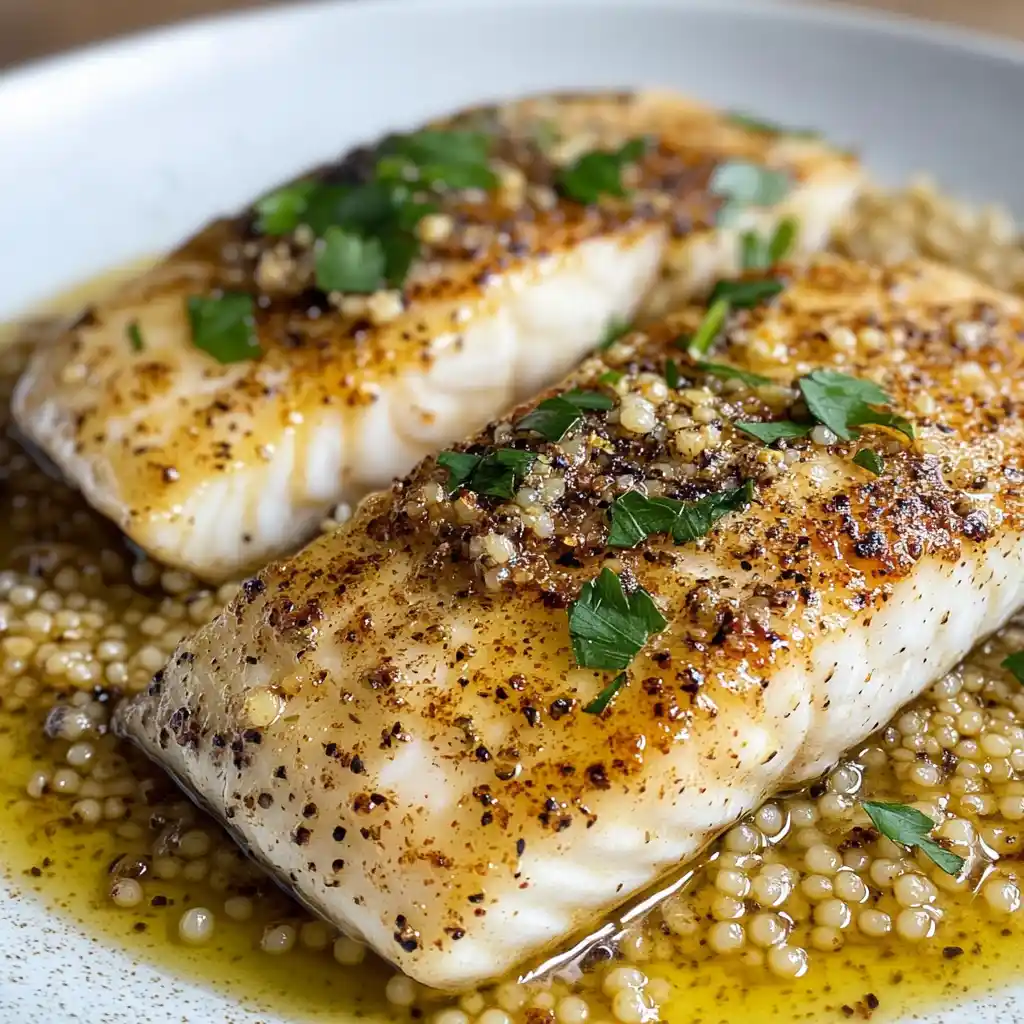
Ingredients
- 2 mahi-mahi fillets (6 oz each—look for firm, fresh fish)
- 1 cup amaranth (find it in bulk bins or the grain aisle)
- 2 cups vegetable broth (good quality adds flavor)
- 1 tablespoon olive oil
- 1 teaspoon paprika (sweet or smoked both work great)
- 1 teaspoon garlic powder
- Salt and pepper to taste (start with 1/2 teaspoon salt)
- Fresh parsley, chopped for garnish (don’t skip this)
Instructions
- Rinse the amaranth under cold water in a fine-mesh strainer to remove any dust. In a saucepan, bring the vegetable broth to a boil. Add the rinsed amaranth, reduce heat to low, cover tightly, and simmer for about 20 minutes or until the amaranth is tender and the liquid is absorbed. Don’t lift the lid too often or you’ll let steam escape.
- While the amaranth is cooking, preheat your oven to 400°F (200°C) and line a baking sheet with parchment paper. This prevents sticking and makes cleanup easy.
- Pat the mahi-mahi fillets completely dry with paper towels—this is really important for getting good browning and helping the seasonings stick. Place them on the prepared baking sheet.
- In a small bowl, mix together the olive oil, paprika, garlic powder, salt, and pepper. Brush this mixture generously over both sides of the mahi-mahi fillets. Make sure they’re evenly coated.
- Bake the mahi-mahi in the preheated oven for 12-15 minutes or until the fish is cooked through and flakes easily with a fork. Start checking at 12 minutes—the fish should be opaque in the center but still moist. Don’t overcook or it’ll get dry.
- Once the amaranth is done, fluff it with a fork to separate the grains. Divide it between two plates, creating a bed for the fish. Top each portion with a mahi-mahi fillet.
- Garnish generously with fresh chopped parsley and serve immediately. The bright herbs really make the dish pop visually and add fresh flavor.
Nutrition Information (Per Serving):
- Calories: 465
- Carbohydrates: 48g
- Protein: 45g
- Fat: 11g
- Fiber: 8g
- Sodium: 680mg
- Iron: 35% DV
- Calcium: 15% DV
- Vitamin B12: 40% DV
- Selenium: 65% DV
This dish delivers substantial complete protein from both fish and amaranth, plus the grain is loaded with iron and the fish provides selenium for a nutritionally complete meal.
Notes:
- Seriously, dry that fish well or the seasonings won’t stick properly
- Don’t overcook mahi-mahi—check at 12 minutes and pull when just opaque
- Amaranth should be fluffy, not mushy—don’t overcook it
- Fresh parsley isn’t just decoration; it adds brightness that balances the dish
- Use parchment paper or the fish will stick to the pan
Storage Tips:
- Amaranth keeps refrigerated for up to 3 days in an airtight container
- Cooked fish is best eaten fresh but can be refrigerated for 1 day
- Reheat amaranth gently with a splash of broth; fish reheats poorly in the microwave
- Don’t freeze cooked fish—the texture suffers when thawed
Serving Suggestions:
- Complete Dinner: Serve with roasted asparagus or a simple green salad
- Bowl Style: Add steamed broccoli and a lemon wedge for a grain bowl
- Light Lunch: Halve the portions and serve with extra vegetables
- Citrus Boost: Serve with lemon or lime wedges for squeezing over the fish
Mix It Up (Recipe Variations):
- Lemon Herb Mahi-Mahi: Add lemon zest and fresh thyme to the olive oil mixture
- Tropical Mahi-Mahi: Top with fresh mango salsa for sweet, fruity contrast
- Spicy Cajun Mahi-Mahi: Use Cajun seasoning instead of paprika and add cayenne
- Simple Garlic Fish: Skip the paprika and just use garlic, salt, and pepper
What Makes This Recipe Special:
This easy mahi-mahi and amaranth uses straightforward cooking techniques to deliver restaurant-quality results at home. By pairing mild, sweet mahi-mahi with protein-rich amaranth cooked in savory broth, you’re creating a nutritionally complete meal that satisfies without feeling heavy. The simple seasoning approach—just paprika, garlic, and good olive oil—lets the fish’s natural flavor shine while the ancient grain provides earthy contrast, proving that healthy weeknight cooking doesn’t require elaborate preparations or exotic ingredients when you start with quality basics.