
Ever wonder why bar food tastes so good when it’s basically just fried vegetables? I used to think making crispy fried dill pickles at home was impossible until I realized the secret is just getting the oil hot enough and not skipping the buttermilk. Now my family demolishes these golden, crunchy bites faster than I can fry them, and I’m pretty sure my teenager thinks I’m some kind of deep-frying genius (if only he knew I burned three batches before figuring out the right temperature).
Here’s the Thing About This Recipe
The secret to perfect fried dill pickles isn’t some fancy technique—it’s honestly just making sure your pickles are dry before coating them and keeping that oil at the right temperature. Here’s what I’ve learned the hard way: you need to drain those pickle slices really well or the coating won’t stick, and if your oil isn’t hot enough, you’ll end up with soggy, greasy disasters instead of crispy golden perfection. Around here, we’ve figured out that the buttermilk is what makes the coating stick and adds this subtle tangy flavor that plays perfectly with the pickles. The seasoned flour gives you that crunchy, flavorful shell, and the combo of garlic, paprika, and a touch of cayenne makes these absolutely addictive. It’s honestly that simple, and it feels way fancier than the 20 minutes you’re actually spending in the kitchen.
What You’ll Need (And My Shopping Tips)
Good dill pickle slices are worth hunting down—I prefer the thick-cut deli-style pickles over the thin sandwich slices because they hold up better to frying. You can buy them pre-sliced or slice your own from whole dill pickles. I learned this after using wimpy sandwich pickles twice and ending up with nothing but fried coating and pickle mush.
Don’t cheap out on the buttermilk here—it’s what makes the flour stick and adds tang. If you don’t have buttermilk, you can make your own by adding a tablespoon of lemon juice or vinegar to regular milk and letting it sit for 5 minutes (happens more than I’d like to admit when I forget to buy buttermilk).
Use a neutral vegetable oil with a high smoke point—canola, peanut, or vegetable oil all work great. You’ll need enough to fill your pot about 2-3 inches deep for proper frying. I always buy more than I think I need because running out of oil mid-frying is the worst. The spices—garlic powder, paprika, cayenne, salt, and pepper—are what turn plain flour into magic coating dust.
Let’s Make This Together
Start by draining your pickle slices really well. Here’s where I used to mess up: I’d skip this step and wonder why my coating was sliding off. Pat them dry with paper towels until they’re barely damp. Trust me on this one—this extra minute makes all the difference.
Set up your dredging station with two shallow dishes. In one, mix together the flour, garlic powder, paprika, cayenne pepper, salt, and black pepper. In the other, pour your buttermilk. Now for the fun part: take a pickle slice, dunk it in the buttermilk, let the excess drip off, then dredge it through the seasoned flour, making sure it’s completely coated. Set it aside on a plate and repeat with the rest.
Heat your vegetable oil in a deep skillet or pot to 350°F (180°C). I cannot stress this enough—use a thermometer! Guessing the temperature is how you end up with either burnt or soggy pickles. If you don’t have a thermometer, drop a tiny bit of the flour mixture in the oil—it should sizzle immediately and float to the top.
Working in batches (don’t crowd the pan or the temperature will drop), carefully slide your coated pickle slices into the hot oil. Fry for 2-3 minutes, flipping halfway through, until they’re golden brown and crispy. I always start checking at 2 minutes because they go from perfect to too dark pretty fast. Use a slotted spoon to transfer them to a paper towel-lined plate to drain. The hardest part is not eating them all straight off the draining plate.
If you’re looking for more crowd-pleasing appetizers, my BBQ Baked Beans make the perfect side dish for a full cookout spread with these fried pickles.
When Things Go Sideways (And How to Fix Them)
Coating falling off in the oil? Your pickles weren’t dry enough, or you didn’t press the coating on firmly. In reality, I’ve learned to really pat those pickles dry and press the flour coating on like I mean it. If this happens, salvage what you can and make sure to dry the next batch better.
Pickles are greasy and soggy? Your oil temperature was too low. Don’t panic—next time, make sure that oil hits 350°F before you start frying, and don’t add too many pickles at once or the temperature will crash. I always keep my thermometer in the oil and adjust the heat as needed to maintain temperature.
Coating is burnt but pickles are still cold inside? Your oil was too hot. Lower the heat and let it stabilize at 350°F before continuing. Every stove has its quirks, so you might need to dial it back more than you think.
Coating is pale and won’t brown? Oil’s not hot enough, or you’re not frying them long enough. This is totally fixable—just bump up the heat and give them another minute. I always make sure I see active bubbling around the pickles the moment they hit the oil.
When I’m Feeling Creative
Spicy Fried Pickles: Double the cayenne pepper in the coating or add a pinch of hot sauce to the buttermilk for extra kick. Around game day, I’ll make this spicy version and watch them vanish even faster.
Ranch-Seasoned Fried Pickles: Mix in 2 teaspoons of ranch seasoning powder to the flour mixture for that classic ranch-pickle combo people love.
Extra-Crispy Fried Pickles: Add 1/4 cup cornmeal to the flour mixture for an even crunchier coating with a bit of texture.
Dill-Pickle Chips Style: Use whole pickle chips instead of slices for bigger, more substantial bites. When I’m feeling fancy, these show up at parties and people lose their minds.
What Makes This Recipe Special
Deep frying creates an incredibly crispy exterior by quickly cooking the coating at high heat while sealing in the moisture inside. The buttermilk serves double duty—it helps the flour coating stick to the wet pickles, and its acidity tenderizes while adding a subtle tang that complements the briny pickles perfectly. This Southern-inspired appetizer has become a staple at bars and restaurants because it hits that perfect combination of crunchy, salty, tangy, and just a little bit spicy. The contrast between the hot, crispy coating and the cool, tangy pickle center is what makes these so addictive you can’t stop at just one.
Things People Ask Me About This Recipe
Can I make fried dill pickles ahead of time?
Honestly, these are best served immediately while they’re hot and crispy. The coating starts to soften as they sit. If you absolutely need to prep ahead, you can bread them a few hours early and keep them in the fridge, then fry right before serving. Don’t try to fry and reheat—they just won’t be the same.
What if I don’t have buttermilk for these fried dill pickles?
Make your own! Mix 1 cup regular milk with 1 tablespoon lemon juice or white vinegar, let it sit for 5 minutes, and boom—instant buttermilk substitute. I’ve done this countless times and it works perfectly.
How do I know when my oil is at the right temperature?
Use a thermometer—seriously, it’s worth the $10 investment. If you don’t have one, drop a small pinch of flour into the oil. If it sizzles immediately and floats, you’re good to go. If it just sinks, the oil’s not hot enough yet.
Can I bake these fried dill pickles instead of frying?
You can try baking them at 425°F for about 15-20 minutes, but they won’t be nearly as crispy or golden. Frying really is the way to go for that authentic texture. I’ve tried baking when I’m feeling health-conscious, and while they’re okay, they’re just not the same.
Are these fried dill pickles beginner-friendly?
Absolutely! If you can coat something and drop it in oil, you’ve got this. Just use a thermometer and don’t rush it. The technique is straightforward—the only tricky part is maintaining the oil temperature, which comes with practice.
What’s the best dipping sauce for fried dill pickles?
Ranch is the classic, but I love them with spicy mayo (mayo mixed with sriracha), comeback sauce, or even just plain old ketchup. My family fights over the last bit of ranch dressing every single time.
Before You Head to the Kitchen
I couldn’t resist sharing these fried dill pickles because they’re genuinely the appetizer that made me realize I could deep-fry at home without burning the house down or making a huge mess. The best fried pickle nights are when everyone’s standing around the kitchen stealing them off the draining plate before I can even get them to the table. Give them a try, and don’t be surprised when you find yourself making double batches because the first one disappeared in about 90 seconds.
Print
Fried Dill Pickles
Description
Crispy fried dill pickles with a golden, seasoned coating and tangy pickle centers—the addictive appetizer that’ll disappear before you finish frying the last batch.
Prep Time: 10 minutes | Cook Time: 15 minutes | Total Time: 25 minutes | Servings: 4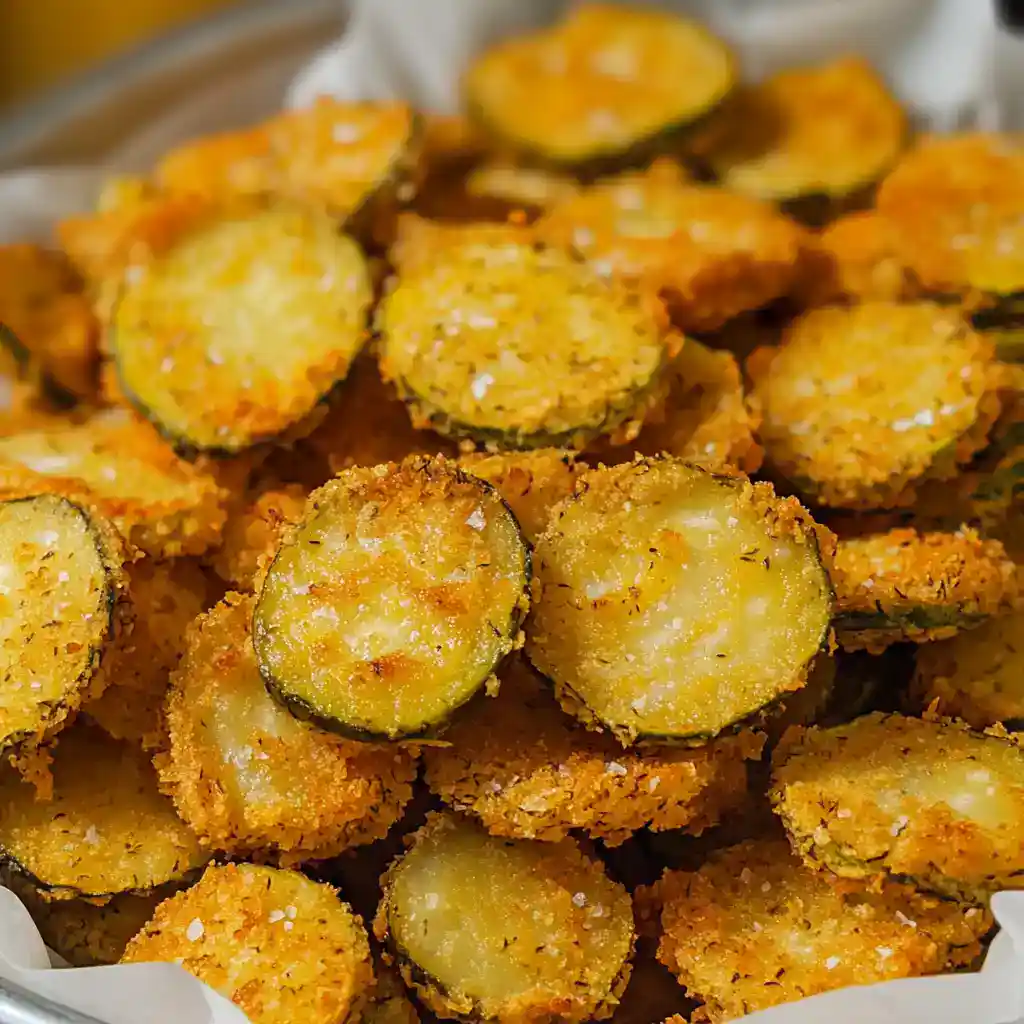
Ingredients
- 1 cup dill pickle slices (thick-cut deli-style work best)
- 1 cup all-purpose flour
- 1 teaspoon garlic powder
- 1 teaspoon paprika
- 1/2 teaspoon cayenne pepper
- 1/2 teaspoon salt
- 1/4 teaspoon black pepper
- 1 cup buttermilk
- Vegetable oil, for frying (enough to fill your pot 2-3 inches deep)
Instructions
- Drain your pickle slices really well and pat them dry with paper towels. This step matters more than you think—wet pickles mean sliding coating.
- Set up two shallow dishes for dredging. In one, mix together the flour, garlic powder, paprika, cayenne pepper, salt, and black pepper. Pour the buttermilk into the other dish.
- Working one at a time, dunk a pickle slice in the buttermilk, let the excess drip off, then dredge it through the seasoned flour mixture. Make sure it’s completely coated and press the flour on so it sticks. Set aside and repeat with all the pickles.
- Heat your vegetable oil in a deep skillet or pot to 350°F (180°C). Use a thermometer here—guessing the temperature is how you end up with disasters.
- Working in batches (don’t crowd the pan!), carefully slide the coated pickles into the hot oil. Fry for 2-3 minutes, flipping halfway through, until they’re golden brown and crispy. Keep an eye on that oil temperature and adjust the heat as needed.
- Use a slotted spoon to transfer the fried pickles to a paper towel-lined plate to drain excess oil. Try not to eat them all before the next batch is done (harder than it sounds).
- Serve immediately while they’re hot and crispy with ranch dressing, spicy mayo, or your favorite dipping sauce.
Nutrition Information (Per Serving):
- Calories: 220
- Carbohydrates: 28g
- Protein: 6g
- Fat: 9g
- Fiber: 2g
- Sodium: 950mg
- Vitamin A: 180 IU (4% DV)
These aren’t exactly health food, but pickles do have some vitamin K and probiotics if they’re naturally fermented. Plus, the portion size is pretty reasonable for an indulgent appetizer.
Notes:
- Seriously, pat those pickles dry. This is the most important step for coating that actually sticks.
- Use a thermometer to monitor oil temperature. 350°F is the sweet spot—any lower and they’re greasy, any higher and they burn.
- Don’t overcrowd the pan. Fry in batches to maintain oil temperature and get evenly crispy pickles.
- The coating tastes best when you let it sit for just a minute after breading, so the flour can hydrate and stick better.
Storage Tips:
Honestly, these don’t store well. They’re best eaten immediately. If you have leftovers (rare), store them in the fridge for up to 1 day, but they’ll be soggy. You can try reheating them in a 400°F oven for about 5 minutes to crisp them back up, but they’ll never be quite as good as fresh. Don’t microwave them—that’s a one-way ticket to rubber-city.
Serving Suggestions:
- With ranch dressing for the classic combo everyone knows and loves
- With spicy mayo (mayo + sriracha) for a tangy, spicy dip
- Alongside BBQ sliders or burgers for the ultimate cookout spread
- With comeback sauce for that Southern-style flavor explosion
Mix It Up (Recipe Variations):
Spicy Fried Pickles: Double the cayenne or add 1/4 teaspoon of hot sauce to the buttermilk for extra heat.
Ranch-Seasoned Fried Pickles: Mix 2 teaspoons ranch seasoning powder into the flour mixture for that classic ranch-pickle flavor combo.
Extra-Crispy Fried Pickles: Replace 1/4 cup of the flour with cornmeal for an even crunchier coating with great texture.
Bread-and-Butter Fried Pickles: Use sweet bread-and-butter pickle chips instead of dill for a sweeter version that’s surprisingly good.
What Makes This Recipe Special:
Deep frying at the proper temperature creates an incredibly crispy coating while keeping the pickle center cool and crunchy, giving you that amazing hot-cold, crispy-tangy contrast. The buttermilk acts as both an adhesive for the flour coating and a flavor enhancer, adding tanginess that complements the briny pickles. This Southern bar food staple has become wildly popular because it transforms humble pickles into an addictive appetizer that hits every craving—salty, tangy, crunchy, and just a little bit spicy all at once.
