
Ever wonder why some one-pot meals turn out watery and bland while others are thick and satisfying? I used to think making flavorful vegetable dinners required multiple pots and complicated steps until I discovered this German peas one-pot meal. Now my kids actually request vegetables for dinner, and honestly, I’ve stopped mentioning how ridiculously easy this dish is (they think I’m doing something fancy when I’m literally just throwing everything in one pot).
Here’s the Thing About This Recipe
The secret to amazing German peas isn’t complicated—it’s about layering vegetables so everything cooks perfectly at the same time. I learned the hard way that dumping frozen peas in at the beginning turns them into mushy baby food. This German-inspired one-pot meal works because the potatoes and carrots get a head start while the peas stay bright green and slightly sweet. It’s honestly that simple. One pot, minimal cleanup, and you’ve got a complete meal that even picky eaters will finish.
What You’ll Need (And My Shopping Tips)
Good frozen peas are worth seeking out—I always grab the petite sweet peas because they’re more tender than regular ones. Don’t cheap out on the rock-hard generic peas that have been in the freezer section forever; they never soften up right no matter how long you cook them. I learned this after serving what my husband called “green bullets” at dinner (happens more than I’d like to admit).
The potato should be a starchy variety like russet or Yukon Gold—they break down slightly and help thicken the broth into more of a stew consistency. Waxy potatoes like red potatoes stay too firm and don’t create that creamy texture. Fresh carrots and onions are non-negotiable; frozen just doesn’t give you the same flavor foundation.
Thyme is the classic German herb for pea dishes—it adds earthy warmth without overwhelming the sweet peas. The vegetable broth should be low-sodium so you can control the salt yourself. I always grab the low-sodium variety because you can always add salt but you can’t take it away. Fresh parsley for garnish adds that pop of color and fresh flavor that makes this look intentional instead of like you just dumped cans into a pot.
Here’s How We Do This
Start by heating your olive oil in a large pot over medium heat. Toss in that diced onion and minced garlic, and let them sauté until they smell amazing—about 3-4 minutes. Here’s where I used to mess up: I’d rush this step and not get enough caramelization on the onions. Let them cook until they’re soft and starting to turn golden.
Add your diced carrot and potato to the pot. Now for the fun part—cook these vegetables for about 5 minutes, stirring occasionally, until they’re slightly softened and starting to get some color. This step is important because it gives the harder vegetables a head start before adding the quick-cooking peas.
Pour in that vegetable broth, then add your frozen peas, thyme, salt, and pepper. Give everything a good stir to combine. I learned this trick from my German grandmother: add the peas while they’re still frozen—no need to thaw them first, and they actually cook more evenly this way.
Bring the whole thing to a simmer, then drop the heat to low and cover the pot. Let it cook for 15-20 minutes, checking occasionally to make sure nothing’s sticking to the bottom. You want the potatoes and carrots fork-tender and the peas bright green, not that sad army-green color.
Once everything’s cooked through, remove from heat and taste. Adjust your seasoning—I always add a bit more salt at the end because vegetables can handle it. Ladle into bowls and scatter fresh parsley on top.
Serve this as-is for a light vegetarian dinner, or with crusty bread on the side for something heartier, similar to how you’d serve vegetable soup. Trust me on this one—this is one of those deceptively simple dishes that everyone loves.
If This Happens, Don’t Panic
Peas turning mushy and olive-colored? You cooked them too long or added them too early. Fresh or frozen peas only need about 5-10 minutes to cook through. If your German peas look sad, just make a mental note for next time and serve them anyway—they still taste fine, just not as pretty.
Too much liquid left? Your potatoes might not have broken down enough to thicken things, or you used waxy potatoes instead of starchy ones. This is totally fixable—just mash a few potato pieces against the side of the pot to release their starch, or let it simmer uncovered for an extra 5 minutes to reduce the liquid.
Vegetables still crunchy? Your heat was too low or you needed more time. Just keep simmering with the lid on until everything’s tender. In reality, I’ve learned that every stove cooks differently, so adjust timing based on what you see.
Flavors tasting flat? You needed more salt or herbs. Add salt gradually, tasting as you go. A squeeze of lemon juice at the end really brightens everything up and makes the peas taste sweeter. Every batch of broth has different sodium levels, so trust your taste buds.
When I’m Feeling Creative
Creamy German Peas: Stir in 1/4 cup of heavy cream or coconut milk at the end for a richer, more indulgent version. Around holidays, I’ll make this when I want something that feels special.
Bacon Pea Pot: Add some crispy crumbled bacon on top for a smoky, savory element that meat-eaters go crazy for. This version is my husband’s favorite.
Herby Green Peas: Add fresh dill along with the thyme for a brighter, more aromatic version. My neighbor who grew up in Germany says this is how her mother made it.
Spiced Pea Dish: Add a pinch of nutmeg and white pepper instead of black pepper for a more traditional German spicing that’s subtly warming.
What Makes This Recipe Special
German cuisine has a long tradition of simple vegetable dishes where seasonal produce shines without heavy sauces or complicated preparations. What sets this German peas one-pot meal apart is how the starchy potatoes naturally thicken the broth while the carrots add sweetness that complements the peas beautifully. I discovered through trial and error that the key to keeping peas bright green and sweet is adding them toward the middle of cooking rather than at the beginning—this prevents that overcooked vegetable taste. This dish represents German home cooking at its finest, proving that wholesome comfort food doesn’t need to be complicated or time-consuming.
Things People Ask Me About This Recipe
Can I use fresh peas instead of frozen peas?
Absolutely. Fresh peas work beautifully—use about 3 cups of shelled fresh peas. They’ll have slightly better texture but honestly, frozen peas are more convenient and taste nearly identical. I use frozen 90% of the time because shelling fresh peas takes forever.
Is this German peas one-pot meal actually filling?
It’s pretty light on its own, but served with crusty bread or over rice, it becomes a complete meal. I sometimes add white beans for extra protein and substance. For a heartier version, increase the potatoes to 2 cups.
Can I make this ahead of time?
You can, but the peas lose their bright green color after sitting. Make it up to 2 days ahead and store in the fridge, but be prepared for slightly duller peas. Reheat gently on the stovetop. It still tastes great, just not as vibrant.
What’s the best way to store leftovers?
Store in an airtight container in the fridge for up to 4 days. Reheat on the stovetop with a splash of broth or water. The peas will darken slightly but the flavor stays good. I don’t recommend freezing this—peas get weird and mushy when thawed.
Can I add meat to this German peas recipe?
Definitely. Some chopped cooked sausage or ham stirred in at the end makes it heartier. Kielbasa or bratwurst would be very German and delicious. Just heat them through in the last few minutes of cooking.
Is this dish actually German?
Pea dishes are common throughout Germany, especially in the spring when fresh peas are in season. This style of simple vegetable one-pot with potatoes and thyme is very typical of German home cooking, though recipes vary by region.
One Last Thing
I couldn’t resist sharing this German peas one-pot meal because it’s honestly saved my weeknight dinner routine more times than I can count. The best easy dinners are when everything cooks in one pot and tastes like you put in way more effort—and this recipe delivers that perfect balance every single time.
Print
German Peas One-Pot Meal
Description
This simple German-inspired dish combines sweet peas with potatoes, carrots, and aromatic herbs in one pot. Perfect for busy weeknights or when you want something light and nourishing, this peas one-pot meal comes together in under 30 minutes.
Prep Time: 10 minutes | Cook Time: 25 minutes | Total Time: 35 minutes | Servings: 4 servings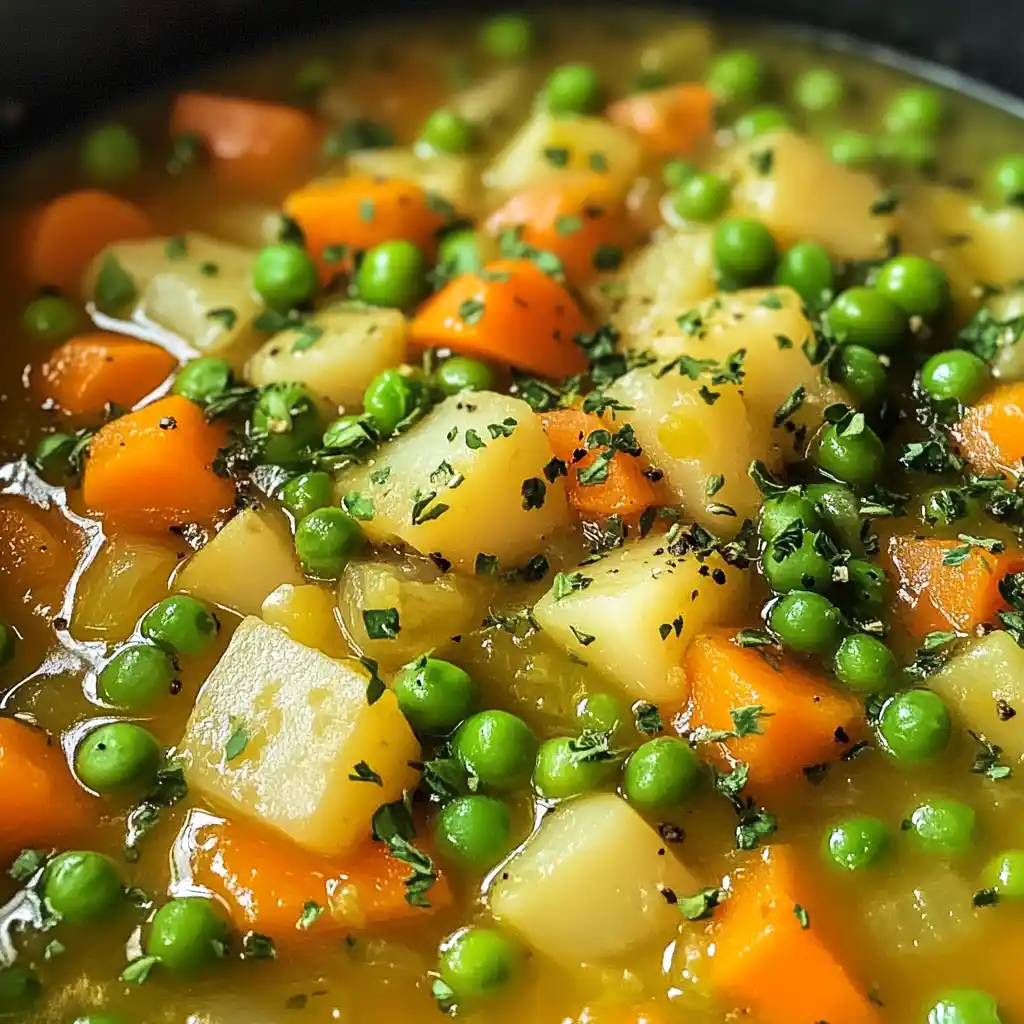
Ingredients
- 1 lb frozen peas (about 3 cups, petite sweet peas work best)
- 1 onion, diced (yellow or white onion)
- 2 cloves garlic, minced (about 1 tsp, fresh is best)
- 1 carrot, diced (about 1/2 cup)
- 1 potato, peeled and diced (use russet or Yukon Gold, about 1 cup)
- 2 cups vegetable broth (low-sodium so you can control salt)
- 1 tsp dried thyme (crush between fingers to release oils)
- 1/2 tsp salt (adjust to taste)
- 1/4 tsp black pepper (freshly ground if possible)
- 1 tbsp olive oil (for sautéing)
- Fresh parsley, for garnish (a handful, chopped)
Instructions
- Heat olive oil in a large pot over medium heat. Don’t rush—let the pot warm up properly.
- Add your diced onion and minced garlic. Sauté for 3-4 minutes until they’re soft and starting to smell amazing. Let them get slightly golden for better flavor.
- Toss in the diced carrot and potato. Cook for about 5 minutes, stirring occasionally, until they’re slightly softened and starting to get some color. This gives the harder vegetables a head start.
- Pour in the vegetable broth, then add your frozen peas (straight from frozen, no need to thaw), dried thyme, salt, and black pepper. Give everything a good stir to combine.
- Crank up the heat and bring the mixture to a simmer. Once it’s bubbling, reduce heat to low, cover the pot with a lid, and let it cook for 15-20 minutes. Check occasionally to make sure nothing’s sticking.
- After 15-20 minutes, check that your potatoes and carrots are fork-tender and the peas are bright green. Remove from heat.
- Taste and adjust your seasoning. I always add a bit more salt at this point because vegetables need it.
- Ladle into bowls and scatter fresh chopped parsley on top. Serve hot with crusty bread on the side.
Nutrition Information (Per Serving):
- Calories: 195
- Carbohydrates: 35g
- Protein: 9g
- Fat: 4g
- Fiber: 9g
- Sodium: 420mg
- Vitamin A: 45% DV
- Vitamin C: 35% DV
- Iron: 15% DV
Peas provide plant-based protein and fiber, while carrots add beta-carotene for eye health.
Notes:
- Use starchy potatoes like russet or Yukon Gold—they help thicken the broth naturally.
- Don’t add frozen peas too early or they turn mushy and lose their bright green color.
- Every stove cooks differently, so check vegetables for tenderness rather than just following the timer.
- The potatoes should be fork-tender and starting to break down slightly to thicken the broth.
- Fresh or frozen peas both work, but frozen is more convenient and tastes nearly identical.
Storage Tips:
Store leftovers in an airtight container in the fridge for up to 4 days. Reheat gently on the stovetop with a splash of broth or water. The peas will darken slightly but flavor stays good. Don’t freeze this dish—peas get mushy and weird when thawed. Best enjoyed fresh or within 2 days for brightest color.
Serving Suggestions:
- With Crusty Bread: Serve alongside warm sourdough or whole grain bread for soaking up the flavorful broth
- Over Rice: Spoon over brown rice or quinoa for a more filling meal
- With Sausage: Add sliced cooked kielbasa or bratwurst for a heartier German-style dinner
- Simple Side Salad: Pair with a crisp green salad dressed with vinaigrette
Mix It Up (Recipe Variations):
Creamy German Peas: Stir in 1/4 cup heavy cream or coconut milk at the end for a richer, more indulgent version perfect for special occasions.
Bacon Pea Pot: Top each serving with crispy crumbled bacon for smoky, savory flavor that meat-eaters love.
Herby Green Peas: Add 2 tbsp fresh dill along with the thyme for a brighter, more aromatic version closer to traditional German preparations.
Spiced Pea Dish: Add a pinch of nutmeg and use white pepper instead of black for traditional German spicing that’s subtly warming.
What Makes This Recipe Special:
This German peas one-pot meal honors the German tradition of simple vegetable dishes where seasonal produce shines without heavy sauces. The starchy potatoes naturally thicken the broth while carrots add complementary sweetness to the peas. Adding peas midway through cooking preserves their bright green color and sweet flavor, preventing that overcooked vegetable taste.
