
Ever wonder why Greek salads at restaurants taste so much better than the ones you make at home? I used to think making authentic homemade Greek dressing required some secret Mediterranean ingredient until I realized it’s literally just whisking together oil, vinegar, and a few pantry spices. Now my family refuses to eat store-bought dressing, and I’m pretty sure my dinner guests think I’m some kind of Greek cooking expert (if only they knew I just learned to measure and whisk five ingredients together).
Here’s the Thing About This Recipe
The secret to perfect homemade Greek dressing isn’t complicated—it’s honestly just using good quality olive oil and getting that oil-to-vinegar ratio right so it’s tangy but not puckering. Here’s what I’ve learned the hard way: you need actual extra-virgin olive oil with flavor, not the cheap stuff that tastes like nothing, and that dried oregano is what makes it taste authentically Greek instead of just generic vinaigrette. Around here, we’ve figured out that the Dijon mustard is the magic ingredient that helps everything emulsify and stay mixed instead of separating immediately. The garlic and onion powders add depth without the harshness of raw garlic, and the whole thing comes together in about 5 minutes. It’s honestly that simple, and once you taste how bright and flavorful homemade dressing is, you’ll never go back to those weird, gummy store-bought versions.
What You’ll Need (And My Shopping Tips)
Good extra-virgin olive oil is worth investing in—this is where most of your flavor comes from, so use one you’d actually want to taste. I learned this after using cheap, flavorless oil twice and wondering why my dressing was boring. You don’t need the $40 bottle, but spend a bit more than the bottom-shelf stuff.
Red wine vinegar (not white, not balsamic) gives you that classic tangy Greek flavor. It should be in the vinegar aisle next to the balsamic and apple cider vinegar. Dried oregano is crucial—it’s the signature Greek herb that makes this taste like it came from a taverna in Athens. Make sure yours isn’t ancient and dusty or it won’t have much flavor (happens more than I’d like to admit that I forget to replace my spices).
Dijon mustard is the secret weapon here—it helps emulsify the dressing so it stays mixed and adds a subtle depth without making it taste mustardy. Garlic powder and onion powder give you that savory backbone without the bite of raw garlic or the crunch of raw onion. Some people swear by fresh garlic in dressing, but honestly, the powder works better for me because it distributes evenly and doesn’t get weird after a day in the fridge.
Let’s Make This Together
Grab a small bowl and your whisk—this is genuinely one of the easiest things you’ll ever make. Pour in your olive oil, red wine vinegar, dried oregano, garlic powder, onion powder, and Dijon mustard. Here’s where I used to mess up: I’d dump everything in and barely whisk it, then wonder why it separated immediately.
Whisk everything together vigorously for about 30 seconds until it looks creamy and emulsified. You want it to look like one unified dressing, not like oil floating on top of vinegar. The Dijon is what makes this magic happen, so don’t skip it. Season with salt and black pepper to taste—I usually start with about 1/4 teaspoon of each and adjust from there.
Taste it with a piece of lettuce or a chunk of cucumber, not just on a spoon, because it needs something to cling to for you to really taste how it’ll work on a salad. Adjust the seasoning if needed—sometimes I add a pinch more salt or another splash of vinegar if I want it tangier. You can use it immediately, or store it in a jar or airtight container in the fridge for up to a week. Just shake it well before using because it’ll separate as it sits (totally normal). This dressing is perfect drizzled over my Mediterranean Chickpea Salad Bowl for an authentic Greek-inspired meal.
When Things Go Sideways (And How to Fix Them)
Dressing won’t emulsify and keeps separating? You didn’t whisk it hard enough or long enough, or your olive oil was too cold. In reality, I’ve learned to really whisk vigorously for at least 30 seconds. If it’s still separating, add another 1/2 teaspoon of Dijon and whisk again—that’ll help it come together.
Dressing tastes too oily or heavy? Your ratio is off—you probably have too much oil. Don’t panic, just add a bit more vinegar, a teaspoon at a time, until it balances out. I like my dressing pretty tangy, so I sometimes use a 2:1 oil-to-vinegar ratio instead of the standard 3:1.
Tastes bland and boring? You didn’t add enough salt or your oregano is old and flavorless. This is totally fixable—add more salt, maybe a pinch more garlic powder, or get fresh dried oregano. Dried herbs lose their potency after about six months, so if yours has been sitting in your cabinet for years, it’s time to replace it.
Dressing is too thick? This shouldn’t really happen with this recipe, but if it does, just whisk in a teaspoon of water at a time until it reaches your desired consistency.
When I’m Feeling Creative
Lemon Greek Dressing: Add 2 tablespoons of fresh lemon juice for an extra-bright, citrusy version that’s incredible on seafood salads. Around summer, I’ll make this version and use it on everything.
Creamy Greek Dressing: Whisk in 2 tablespoons of Greek yogurt for a creamy version that’s still tangy and fresh. When I’m feeling fancy, this shows up on gyro-style wraps.
Spicy Greek Dressing: Add a pinch of red pepper flakes or a dash of hot sauce for a little kick that wakes everything up.
Herb-Loaded Greek Dressing: Add 1 tablespoon of fresh chopped dill and 1 tablespoon of fresh chopped parsley for a more herbaceous version that’s restaurant-quality.
What Makes This Recipe Special
Greek cuisine relies heavily on simple, high-quality ingredients where each component can shine. This dressing embodies that philosophy—good olive oil, tangy vinegar, and aromatic oregano create something greater than the sum of their parts. The use of dried oregano instead of fresh is actually traditional in Greek cooking, where dried herbs are often preferred for their concentrated flavor. Unlike many store-bought dressings that use cheap oils, thickeners, and preservatives, this homemade version is just real ingredients whisked together. The Dijon mustard acts as an emulsifier, helping the oil and vinegar combine into a smooth, creamy dressing that coats your salad perfectly instead of just pooling at the bottom of the bowl.
Things People Ask Me About This Recipe
Can I make this homemade Greek dressing ahead of time?
Absolutely! It actually gets better after sitting for a few hours as the flavors meld together. Store it in a jar or airtight container in the fridge for up to a week. Just shake it well before using since the oil and vinegar will naturally separate.
What if I don’t have red wine vinegar for this Greek dressing?
White wine vinegar or apple cider vinegar will work in a pinch, though red wine vinegar gives you the most authentic Greek flavor. Avoid balsamic vinegar—it’s too sweet and will change the whole character of the dressing.
Can I use fresh garlic instead of garlic powder?
You can, but it changes the texture and intensity. Use 1 small minced clove and be aware that raw garlic gets stronger as it sits. I actually prefer garlic powder here because it distributes evenly and doesn’t get overpowering after a day in the fridge.
Why does my homemade Greek dressing keep separating?
That’s totally normal! Oil and vinegar naturally separate—it’s physics, not a mistake. The Dijon helps them stay together longer, but you’ll always need to shake or whisk before using. Store-bought dressings use chemical emulsifiers to stay mixed, which is part of why they taste weird.
Is this homemade Greek dressing keto-friendly or low-carb?
Yes! This dressing is naturally low in carbs—basically just healthy fats from olive oil with minimal carbs from the vinegar and spices. It’s perfect for keto, paleo, and most other low-carb diets.
Can I double or triple this recipe?
Definitely! I usually make a double batch and keep it in a mason jar in the fridge. It’s so much cheaper than buying bottles of dressing, and you know exactly what’s in it.
Before You Head to the Kitchen
I couldn’t resist sharing this homemade Greek dressing because it’s genuinely the recipe that made me realize how easy (and way better) it is to make your own salad dressing instead of buying it. The best salad nights are when I drizzle this over a giant Greek salad and everyone’s fighting over the last cucumber that’s soaked up all the dressing. Give it a try, and don’t be surprised when those bottles in your fridge door start looking really unnecessary and full of weird ingredients.
Print
Homemade Greek Dressing
Description
Authentic homemade Greek dressing with olive oil, red wine vinegar, and oregano—bright, tangy, and ready in 5 minutes with ingredients you already have.
Prep Time: 5 minutes | Cook Time: 0 minutes | Total Time: 5 minutes | Servings: 12 (about 3/4 cup total)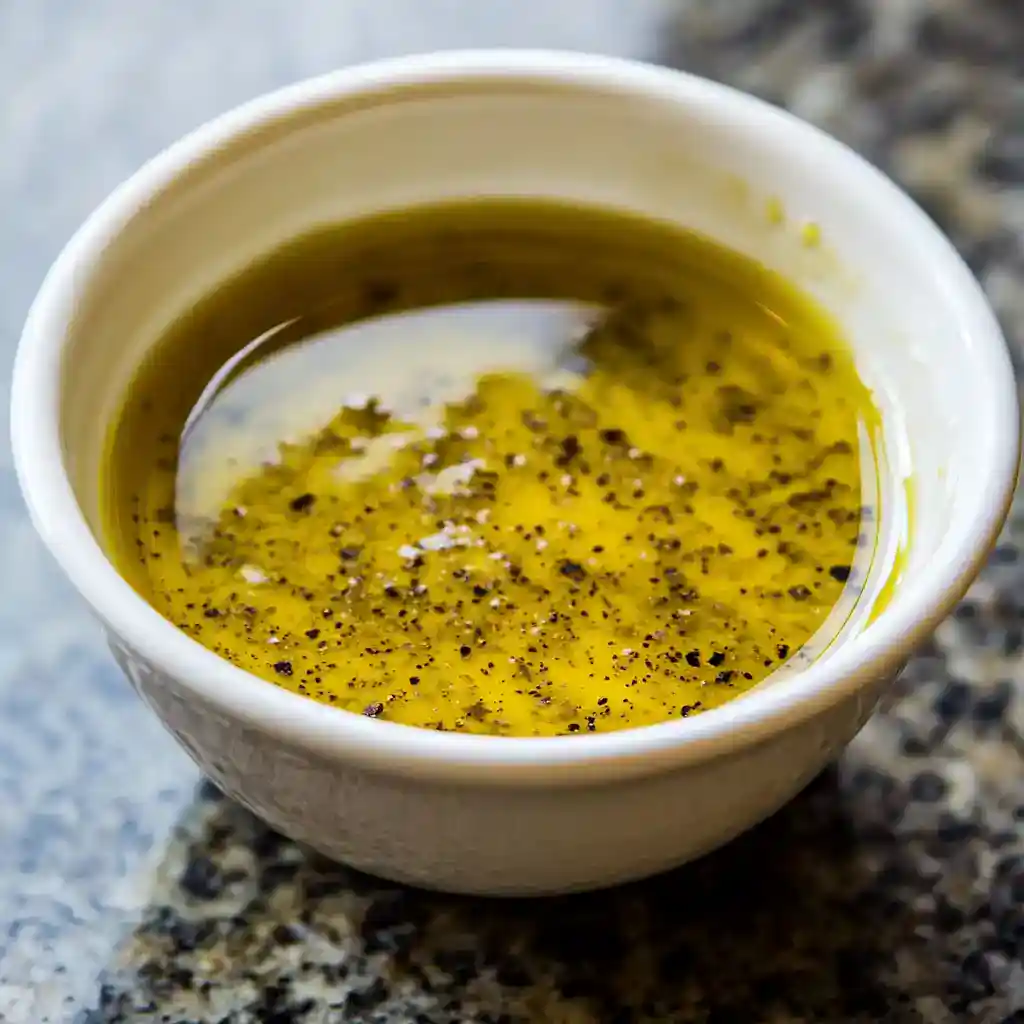
Ingredients
- 1/2 cup extra-virgin olive oil (use the good stuff—you’ll taste it!)
- 1/4 cup red wine vinegar
- 1 teaspoon dried oregano (make sure it’s not ancient and flavorless)
- 1/2 teaspoon garlic powder
- 1/2 teaspoon onion powder
- 1/2 teaspoon Dijon mustard (this is your emulsifier—don’t skip it!)
- Salt and black pepper, to taste (start with 1/4 teaspoon of each)
Instructions
- Grab a small bowl and add all your ingredients—olive oil, red wine vinegar, dried oregano, garlic powder, onion powder, and Dijon mustard.
- Whisk everything together vigorously for about 30 seconds until it looks creamy and emulsified. You want it to look like one unified dressing, not like oil floating on vinegar.
- Season with salt and black pepper to taste. Start with about 1/4 teaspoon of each and adjust from there.
- Taste it on a piece of lettuce or cucumber (not just on a spoon!) to see how it’ll work on your actual salad. Adjust the seasoning if needed—maybe more salt, more vinegar if you want it tangier, or more oregano for that Greek punch.
- Use immediately or transfer to a jar or airtight container and store in the fridge for up to a week. Shake well before using since it’ll separate as it sits (totally normal!).
Nutrition Information (Per 1 tablespoon serving):
- Calories: 85
- Carbohydrates: 0g
- Protein: 0g
- Fat: 9g
- Fiber: 0g
- Sodium: 25mg (varies with salt added)
- Monounsaturated Fat: 7g
This dressing is basically pure healthy fats from olive oil with minimal carbs. It’s keto-friendly, paleo-friendly, and way healthier than store-bought dressings with their weird thickeners and preservatives.
Notes:
- Quality matters here—use olive oil you’d actually want to taste, not the cheapest bottle on the shelf.
- Whisk vigorously for at least 30 seconds to properly emulsify the dressing.
- The dressing will separate as it sits—this is normal! Just shake or whisk before using.
- Taste on actual salad ingredients, not just on a spoon, to properly gauge the flavor.
- If your dried oregano has been in your cabinet for years, it’s time to replace it.
Storage Tips:
Store in a jar or airtight container in the fridge for up to one week. Always shake well before using since the oil and vinegar will naturally separate. If the olive oil solidifies in the fridge (this can happen), just let it sit at room temperature for 10 minutes before shaking and using.
Serving Suggestions:
- On classic Greek salad with tomatoes, cucumbers, olives, and feta
- Over grilled chicken or lamb as a marinade or finishing sauce
- As a marinade for vegetables before grilling or roasting
- Drizzled over roasted potatoes for a Mediterranean twist
Mix It Up (Recipe Variations):
Lemon Greek Dressing: Add 2 tablespoons fresh lemon juice and 1 teaspoon lemon zest for extra brightness that’s perfect with seafood.
Creamy Greek Dressing: Whisk in 2-3 tablespoons Greek yogurt for a creamy version that’s still tangy and fresh.
Fresh Herb Greek Dressing: Add 1 tablespoon each of fresh chopped dill and parsley for a more herbaceous, restaurant-style dressing.
Spicy Greek Dressing: Add 1/4 teaspoon red pepper flakes or a dash of hot sauce for a subtle kick.
What Makes This Recipe Special:
Traditional Greek cuisine celebrates simple, high-quality ingredients where each component’s flavor can shine through. This dressing embodies that philosophy perfectly—good extra-virgin olive oil, tangy red wine vinegar, and aromatic dried oregano (preferred over fresh in Greek cooking for its concentrated flavor) come together to create something that’s greater than the sum of its parts. Unlike store-bought dressings loaded with preservatives, thickeners, and cheap oils, this homemade version uses only real ingredients you can pronounce. The Dijon mustard acts as a natural emulsifier, helping the oil and vinegar combine into a smooth, creamy texture that coats your salad evenly instead of pooling at the bottom of the bowl.
