
Ever wonder why fusion cuisine usually sounds amazing in theory but tastes confused in reality? I used to think combining Italian and Indian flavors required chef-level expertise until my friend who studied abroad in Mumbai served me this Indian watercress risotto at a dinner party. Now I make this creamy, spiced risotto whenever I want something that feels both comforting and exciting, and honestly, my family can’t believe how well turmeric and Parmesan work together (and my Italian grandmother was skeptical until she tried it, then asked for the recipe three times).
Here’s the Thing About This Recipe
The secret to this Indian watercress risotto isn’t some complicated fusion technique or hard-to-find ingredients. What makes this work is using the traditional Italian risotto method—slow stirring, gradual broth addition—while infusing the rice with warm Indian spices like cumin and turmeric. I learned the hard way that most fusion dishes fail because they try to do too much, but this one stays focused on complementary flavors that actually enhance each other. This version takes about 30 minutes of active stirring, which sounds tedious but is actually meditative and therapeutic. It’s honestly that simple—toast the rice, add broth gradually, stir constantly. The Indian spices and peppery watercress transform familiar risotto into something special without feeling gimmicky.
What You’ll Need (And My Shopping Tips)
Good arborio rice is essential for authentic risotto texture—don’t substitute regular long-grain rice or you’ll end up with rice soup instead of creamy risotto (I learned this after trying to save money with jasmine rice and creating a disappointing mess). Don’t cheap out on your vegetable broth either; it’s the liquid carrying all your flavors, so use something you’d actually drink on its own. I always buy an extra cup of arborio rice because making risotto becomes addictive once you master the technique.
The watercress is your star green here—it has a peppery, slightly bitter flavor that balances the richness beautifully. Look for fresh bunches with perky leaves, not wilted sad greens. The Parmesan cheese needs to be good quality and freshly grated; pre-grated stuff from a can won’t melt properly and tastes like sawdust. For the spices, cumin and turmeric are the backbone of that Indian flavor profile—make sure yours aren’t expired or they’ll taste flat. If you want to learn more about watercress nutrition and uses, there’s fascinating info about why this peppery green is so nutrient-dense.
Around here, I’ve discovered that buying Parmesan from the deli counter and grating it yourself makes a huge difference in creaminess (happens more than I’d like to admit where I take shortcuts with pre-grated and regret it). The olive oil should be decent quality since you’re using it to sauté your aromatics and it contributes flavor.
Let’s Make This Together
Start by heating your vegetable broth in a saucepan over low heat and keeping it warm on a back burner. Here’s where I used to mess up—cold broth shocks the rice and slows down cooking, so keep it hot the entire time you’re making risotto. This is non-negotiable for proper texture.
Heat your olive oil in a large, heavy-bottomed pan over medium heat. Add the finely chopped onions and minced garlic, sautéing until the onions turn translucent and smell amazing, about 3-4 minutes. Don’t let the garlic burn or it’ll taste bitter and ruin everything. Now add your arborio rice and toast it for 2-3 minutes, stirring constantly. Here’s my secret: you want the rice grains to become slightly translucent around the edges and smell nutty. I learned this trick from an Italian cooking class—proper toasting develops flavor that you can’t get any other way.
Stir in the cumin and turmeric powder, coating every grain of rice with those gorgeous golden spices. The kitchen should smell incredible right now—warm, earthy, inviting. Now comes the part that requires patience: add one ladleful of warm broth to the rice and stir constantly until it’s almost completely absorbed. Don’t walk away, don’t check your phone, just stir and watch. When the liquid is mostly gone, add another ladleful.
Continue this process—add broth, stir until absorbed, add more broth—for about 18-20 minutes. This is where risotto gets its signature creamy texture. The constant stirring releases starch from the rice, creating that luxurious, almost sauce-like consistency. About halfway through, I taste the rice to check doneness. You want it al dente—tender but with a slight bite in the center.
When the rice is nearly done (creamy outside, slightly firm inside), gently fold in your chopped watercress. Cook for just 2-3 minutes until the greens wilt and turn bright green. Don’t be me and add the watercress too early—I used to dump it in at the beginning and it would turn grey and mushy. Remove the pan from heat and stir in that freshly grated Parmesan cheese. Season generously with salt and pepper, tasting as you go.
The whole process takes maybe 30 minutes of active cooking, and you’ve got restaurant-quality Indian watercress risotto that’s both familiar and exciting. If you love fusion dishes, this pairs beautifully with naan bread for scooping up every last bite.
When Things Go Sideways (And They Will)
Risotto turned out too thick and gloopy? You probably didn’t add enough broth or let it reduce too much. In reality, I’ve learned to keep extra broth warm on the side and add more at the end if needed. Risotto should be loose and flow slightly when you spoon it onto a plate, not stand up in a solid mass.
Indian watercress risotto tastes bland? If this happens (and it will if you under-season), don’t panic—risotto needs more salt than you’d think because rice absorbs a lot of flavor. Add salt gradually, tasting as you go, and consider a squeeze of lemon juice to brighten everything. I always taste right before serving now and adjust.
Rice is still crunchy after 20 minutes? Your heat might have been too high, evaporating the liquid before the rice could absorb it properly. Lower the heat slightly and add more broth, continuing to stir until the rice is tender. Every stove and pan combination is different, so trust the texture more than the timing.
Ways to Mix It Up
When I’m feeling fancy, I’ll make Saffron Watercress Risotto by adding a pinch of saffron threads to the broth before starting—it turns everything golden and adds subtle floral notes. Around fall when mushrooms are everywhere, I create Mushroom Curry Risotto by sautéing sliced mushrooms with the onions and adding garam masala with the other spices.
For my friends who want different options, I’ve successfully made Vegan Indian Risotto by skipping the Parmesan and stirring in nutritional yeast instead—it’s surprisingly creamy and delicious. The protein-packed version adds cooked chickpeas or paneer cubes at the end for a complete meal. If you want more heat, add green chilies with the onions or red pepper flakes with the spices for extra kick.
What Makes This Recipe Special
This recipe creates successful fusion through respecting both culinary traditions—using proper Italian risotto technique while thoughtfully incorporating Indian spices that complement rather than overwhelm. The constant stirring and gradual broth addition create that signature creamy texture, while cumin and turmeric add warmth and earthiness that pair beautifully with peppery watercress. Unlike random fusion attempts that throw together ingredients without thought, this combination works because the flavors enhance each other.
What sets this apart from plain risotto is how the Indian spices transform familiar comfort food into something more interesting without losing the soul of what makes risotto special. The tradition of risotto dates back centuries in Northern Italy, and this modern fusion approach proves the technique is versatile enough to embrace other flavor profiles. I’ve discovered through making this dozens of times that the key is patience with stirring and not being shy with the spices—both traditions value deep, developed flavors.
Things People Ask Me About This Recipe
Can I make this Indian watercress risotto ahead of time?
Risotto is really best served immediately after making it. You can prep the broth and chop everything ahead, but the actual cooking should happen right before serving. Reheated risotto never has quite the same creamy texture.
What if I can’t find watercress for this risotto?
Arugula works beautifully as a substitute and has similar peppery flavor. Spinach is milder but also works. You could even use a mix of greens—just add them at the end so they stay bright and fresh.
Is it okay to stop stirring for a minute while making risotto?
You can take brief breaks to rest your arm, but constant stirring is what creates that creamy texture. The stirring releases starch from the rice, which is what makes risotto different from regular rice dishes.
Can I use brown rice instead of arborio for this recipe?
Brown rice won’t create the same creamy texture because it doesn’t release starch the way arborio does. If you want whole grain, try using farro with the same technique—it works surprisingly well.
How do I know when the risotto is done?
The rice should be tender with a slight bite in the center (al dente), and the mixture should be creamy and flow slightly when spooned onto a plate. Taste it—that’s the best way to check doneness.
What wine pairs well with Indian watercress risotto?
A crisp white wine like Sauvignon Blanc or an unoaked Chardonnay works beautifully. The acidity cuts through the richness while complementing both the Italian and Indian flavors.
Before You Head to the Kitchen
I couldn’t resist sharing this because Indian watercress risotto proves that fusion food can be thoughtful and delicious when you respect both culinary traditions you’re combining. The best dinners are when you serve something familiar enough to feel comforting but different enough to feel special. Trust me on this one—make this for someone who loves both Italian and Indian food, and watch their mind get blown by how well it works.
Print
Indian Watercress Risotto
Description
This creamy Indian watercress risotto combines traditional Italian technique with warm cumin and turmeric, finished with peppery watercress and Parmesan for fusion that actually works—ready in 30 minutes.
Prep Time: 5 minutes | Cook Time: 30 minutes | Total Time: 35 minutes | Servings: 4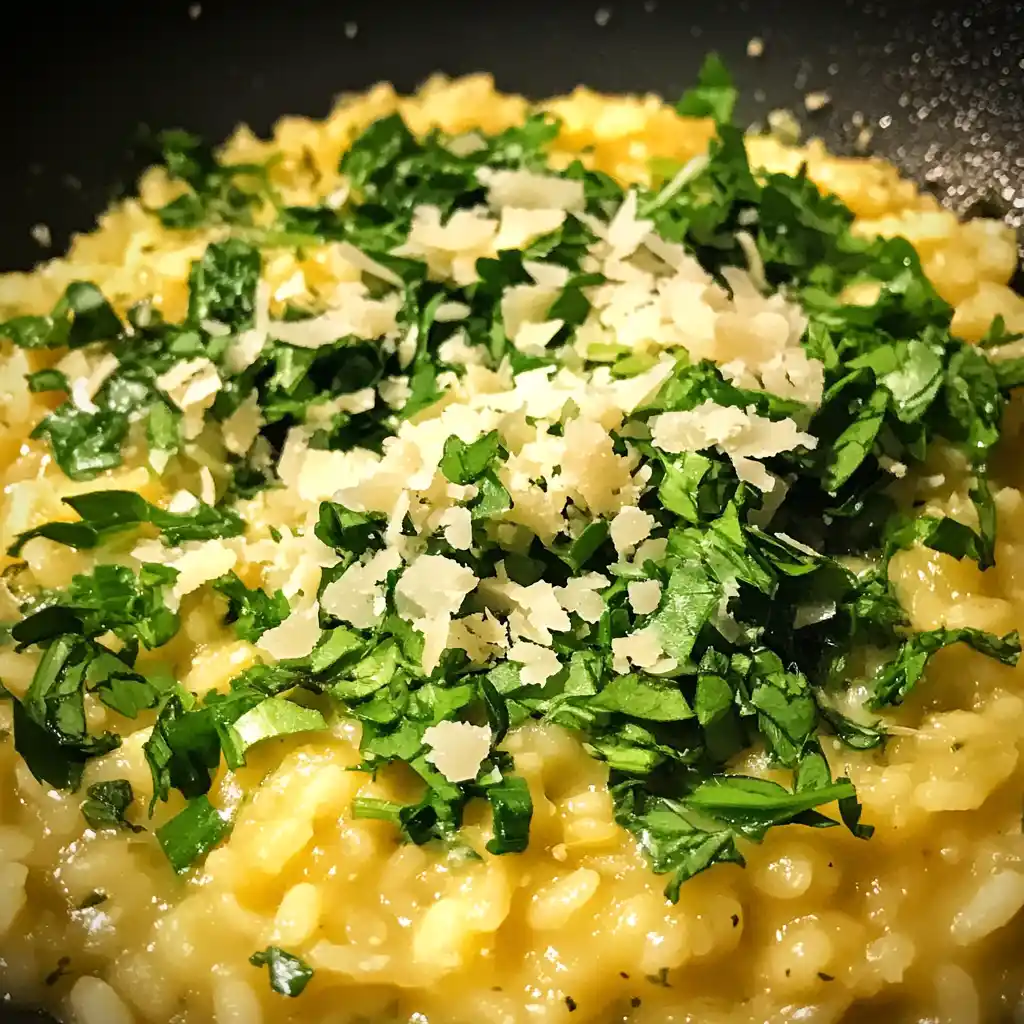
Ingredients
- 1 cup arborio rice (don’t substitute regular rice—you need this for proper texture)
- 4 cups vegetable broth (good quality matters here)
- 1 small onion, finely chopped
- 2 cloves garlic, minced (fresh is essential)
- 1 tsp cumin powder (make sure it’s not expired)
- 1/2 tsp turmeric powder (adds gorgeous golden color)
- 2 cups watercress, chopped (arugula works as substitute)
- 1/2 cup grated Parmesan cheese (freshly grated, not the stuff in a can)
- Salt and pepper to taste (be generous—risotto needs seasoning)
- 2 tbsp olive oil (decent quality adds flavor)
Instructions
- Heat your vegetable broth in a saucepan over low heat and keep it warm on a back burner throughout the cooking process. Cold broth will shock the rice and slow everything down, so this step is important.
- In a large, heavy-bottomed pan, heat the olive oil over medium heat. Add the finely chopped onions and minced garlic, sautéing until the onions turn translucent and everything smells amazing, about 3-4 minutes. Don’t let the garlic burn.
- Add the arborio rice to the pan and toast for 2-3 minutes, stirring constantly. You want the grains to become slightly translucent around the edges and smell nutty. This toasting develops flavor you can’t get any other way.
- Stir in the cumin and turmeric powder, coating every grain of rice with those gorgeous golden spices. Your kitchen should smell incredible right now.
- Now comes the patience part: add one ladleful of warm broth to the rice and stir constantly until it’s almost completely absorbed. When the liquid is mostly gone, add another ladleful. Repeat this process for about 18-20 minutes, stirring constantly. Don’t walk away—the constant stirring is what creates that creamy texture.
- When the rice is nearly done (creamy outside, slightly firm inside), gently fold in the chopped watercress. Cook for just 2-3 minutes until the greens wilt and turn bright green. Don’t add them too early or they’ll turn grey and mushy.
- Remove the pan from heat and stir in the freshly grated Parmesan cheese until it melts into the risotto. Season generously with salt and pepper, tasting as you go.
- Serve immediately while it’s hot and creamy. The Indian watercress risotto should flow slightly when spooned onto plates—if it’s too thick, stir in a bit more warm broth. Garnish with extra Parmesan if you’re feeling generous.
Nutrition Information (Per Serving):
- Calories: 285
- Carbohydrates: 45g
- Protein: 9g
- Fat: 8g
- Fiber: 2g
- Sodium: 720mg
- Vitamin K: 85% DV (from watercress)
- Calcium: 15% DV
This risotto provides complex carbohydrates for energy and significant vitamins from watercress while being relatively balanced and satisfying.
Notes:
- Keep the broth warm throughout cooking—cold broth slows everything down.
- Stir constantly during the broth-adding process for proper creamy texture.
- The rice should be al dente—tender with a slight bite in the center.
- Add watercress at the very end so it stays bright green and doesn’t overcook.
Storage Tips:
Risotto is best served immediately, but you can store leftovers in an airtight container in the refrigerator for up to 2 days. Reheat gently on the stovetop with a splash of broth or water to loosen it back up—it will thicken as it sits. The texture won’t be quite as perfect as fresh, but it still tastes good. Don’t freeze risotto as the texture becomes unpleasantly mushy when thawed.
Serving Suggestions:
- Main Course: Serve as a vegetarian main with crusty bread and a simple green salad
- Side Dish: Pair with grilled chicken or fish for an interesting fusion meal
- Dinner Party: Present in shallow bowls with extra Parmesan and fresh watercress on top
- Complete Meal: Serve alongside naan bread for scooping up every last bite
Mix It Up (Recipe Variations):
Saffron Watercress Risotto: Add a pinch of saffron threads to the broth before starting for golden color and floral notes.
Mushroom Curry Risotto: Sauté sliced mushrooms with the onions and add garam masala for earthier, deeper flavor.
Vegan Indian Risotto: Skip the Parmesan and stir in nutritional yeast instead for creamy, dairy-free version.
Protein-Packed Version: Add cooked chickpeas or cubed paneer at the end for a complete vegetarian meal.
What Makes This Recipe Special:
This Indian watercress risotto succeeds as fusion by respecting both culinary traditions—using proper Italian risotto technique of constant stirring and gradual broth addition while thoughtfully incorporating Indian spices that complement rather than compete with the dish. The cumin and turmeric add warmth and earthiness that enhance the peppery watercress and creamy Parmesan, creating harmony rather than confusion. This proves that fusion cuisine works when you understand and honor the techniques and flavors you’re combining.
