
Ever wonder why bakery quick breads stay moist for days while homemade ones turn dry by tomorrow? I used to think making perfect lemon almond bread required some kind of secret bakery ingredient until my grandmother shared her foolproof recipe. Now I’m baking this bright, fragrant loaf every weekend, and my neighbors have started dropping by suspiciously close to when it comes out of the oven (if only they knew about the four dense, flavorless bricks I made before figuring out the creaming and gentle mixing secrets).
Here’s What I’ve Learned About This Recipe
What makes this lemon almond bread work is the perfect balance of bright citrus and nutty almond flavor that tastes sophisticated without being overly sweet. I learned the hard way that using lemon juice alone makes it too tart and wet, but lemon zest? That’s where all the aromatic oils live, giving you pure lemon flavor without extra moisture. The almond extract amplifies the toasted almonds throughout, and creaming the butter and sugar properly creates a tender, cake-like crumb that stays moist for days. It’s honestly that simple—cream well, fold gently, and don’t overbake. Those three things separate gorgeous bakery-style bread from dense doorstops.
What You’ll Need (And My Shopping Tips)
Good unsalted butter at room temperature is essential—it should be soft enough to leave an indent when you press it, but not melted or greasy. I always leave mine out for about an hour before baking (happens more than I’d like to admit when I forget and try to microwave it, which just makes it melt unevenly). Don’t cheap out on the almond extract; the imitation stuff tastes synthetic and chemical-like compared to pure almond extract that has real depth.
Fresh lemons with thin, smooth skin have the most aromatic zest—avoid thick-skinned lemons that are mostly pith. The sliced almonds should be fresh and crunchy, not stale and bitter from sitting in your pantry since 2019. I learned this after using ancient almonds that tasted rancid and ruined an entire loaf. Whole milk works better than skim for richness, and fresh baking powder makes all the difference in rise. Learn more about choosing fresh lemons for the best citrus flavor and aroma. I always grab an extra lemon because zesting is easier when you have backup if you mess up the first one.
Let’s Make This Together
Start by cranking your oven to 350°F and greasing a 9×5-inch loaf pan really well—I use butter or non-stick spray, making sure to get into all the corners. In a medium bowl, whisk together the flour, baking powder, and salt until everything’s evenly distributed. Set this aside—you’ll need it later.
In a large mixing bowl (or stand mixer if you’re fancy), cream the softened butter and sugar together. Here’s my secret: beat them for a full 3-5 minutes until the mixture is light, fluffy, and pale yellow—almost white. This creaming process incorporates air that makes your bread tender instead of dense. Don’t rush this step; it’s crucial.
Add the eggs one at a time, beating well after each addition until it’s fully incorporated before adding the next. The mixture should look smooth and creamy, not curdled or separated. Stir in the milk, lemon zest (I use a microplane to get fine, fluffy zest without any bitter white pith), and almond extract. Mix until everything’s well combined and smells incredible.
Now here’s the crucial part where I used to mess up every time: gradually add the flour mixture to the wet ingredients and mix until just combined. You should still see a few flour streaks—that’s perfect. The batter should look slightly lumpy and rough, not smooth. Overmixing develops gluten and makes tough, dense bread instead of tender, cake-like texture. I count about 10-12 gentle stirs after adding the flour, then I stop even if it looks underdone.
Gently fold in the sliced almonds using a rubber spatula with broad, sweeping motions. You want them distributed throughout but you’re not trying to beat them in. Pour the batter into your prepared loaf pan and spread it out evenly, smoothing the top with a spatula.
Slide the pan into your preheated oven and bake for 50-60 minutes. Start checking at 50 minutes by sticking a toothpick into the center—it should come out clean or with just a few moist crumbs, not wet batter. Every oven runs differently, so trust your toothpick test more than the timer. The top should be golden brown and might have a crack down the middle, which is totally normal and actually looks pretty.
Let it cool in the pan for 10 minutes (this helps it set and makes it easier to remove), then turn it out onto a wire rack to cool completely before slicing. If you slice it while it’s still warm, it’ll be crumbly and fall apart. I know waiting is torture when it smells so good, but trust me on this one.
If you’re craving more citrus-flavored baking, try this Classic Lemon Pound Cake that uses similar techniques.
When Things Go Sideways (And They Will)
Bread turned out dry and crumbly instead of moist? You probably overbaked it or overmixed the batter. Don’t panic—this lemon almond bread should be tender and moist, not dry and dense. Next time, check earlier and pull it out as soon as that toothpick comes out clean. Remember, it continues cooking a bit as it cools, so slightly underdone is better than overdone.
Got a dense, heavy loaf instead of light and tender? You didn’t cream the butter and sugar long enough, or you overmixed after adding the flour. The creaming step should take 3-5 full minutes until the mixture is fluffy and pale. And once that flour goes in, treat the batter gently—just fold until you barely see flour streaks, then stop. If your bread has a big tunnel or hole in the middle, you definitely overmixed.
Top cracked weirdly or sank in the middle? A crack down the center is totally normal and even desirable in quick breads. But if it sank dramatically in the middle, your oven temperature might be off, or you opened the oven door too early and let out heat. Don’t open the oven until at least 45 minutes have passed. This lemon almond bread recipe is forgiving, but oven temperature and patience matter.
Ways to Mix It Up
When I’m feeling fancy, I’ll make a Lemon Almond Glazed Bread by whisking together powdered sugar and lemon juice to drizzle over the cooled bread—looks professional and adds extra lemon punch. Around the holidays, I’ll throw in 1/2 cup of dried cranberries along with the almonds for Cranberry Lemon Almond Bread that feels festive. My family loves the Poppy Seed Lemon Almond Bread where I add 2 tablespoons of poppy seeds for that classic lemon-poppy combination. For a Double Almond Bread, I’ll use both almond extract and add 1/4 cup of almond flour, replacing some of the all-purpose flour—makes it even more almond-forward and incredibly tender.
What Makes This Bread Special
This lemon almond bread works so well because it follows the creaming method used in cake baking, where you beat butter and sugar together to incorporate air, creating a tender, fine crumb. The lemon zest provides pure, aromatic citrus flavor without adding moisture that would make the bread soggy or change the texture. Quick breads like this rely on chemical leavening (baking powder) instead of yeast, making them fast and approachable for home bakers. What sets this apart from plain lemon bread is the almond extract and sliced almonds that add nutty depth and textural interest—every bite has soft, tender crumb studded with crunchy almond pieces. I’ve learned that the key is proper creaming and gentle mixing—get those two things right, and you’ll have bakery-quality results every time.
Things People Ask Me About This Recipe
Can I make this lemon almond bread ahead of time?
Absolutely! This bread actually tastes even better the next day once the flavors have melded together. Wrap it tightly in plastic wrap or store in an airtight container at room temperature for up to 4 days. The texture stays moist and tender, making it perfect for baking on Sunday and enjoying all week.
What if I don’t have almond extract?
Vanilla extract works in a pinch, though you’ll lose some of that distinctive almond flavor. You could also increase the sliced almonds to 3/4 cup to compensate. Or skip the extract entirely and add a bit more lemon zest—it’ll be more citrus-forward but still delicious.
Can I use lemon juice instead of just zest?
You can add a tablespoon or two of lemon juice along with the zest, but don’t replace the zest entirely. Zest has all the aromatic oils that give you bright lemon flavor, while juice adds acidity and moisture. Too much juice will make the bread wet and throw off the texture. Zest is where the magic happens.
How do I know when it’s perfectly done?
The toothpick test is your best friend—insert a toothpick into the center of the loaf, and it should come out clean or with just a few moist crumbs. The top should be golden brown and spring back when you gently press it. If the toothpick comes out with wet batter, give it another 5 minutes and test again.
Can I freeze this lemon almond bread?
Definitely! Let it cool completely, wrap it tightly in plastic wrap, then wrap again in aluminum foil or place in a freezer bag. Freeze for up to 3 months. Thaw at room temperature still wrapped—this prevents condensation from making it soggy. Tastes freshly baked when thawed.
Why did my bread sink in the middle?
This usually happens if you overmix the batter (developing too much gluten), open the oven door too early (letting out heat), or your oven temperature is off. Make sure you’re mixing just until the flour disappears, and don’t peek until at least 45 minutes have passed. An oven thermometer helps ensure your oven is actually at 350°F.
One Last Thing
I couldn’t resist sharing this lemon almond bread because it’s become my answer to “what should I bring” for every potluck, brunch, and coffee date. It looks impressive, tastes like you spent all day baking, and makes your whole house smell like a European bakery. The best bread mornings are when I’ve got a golden loaf cooling on the counter and everyone’s hovering around asking when they can have a slice. You’ve got this!
Print
Lemon Almond Bread
Description
This tender lemon almond bread tastes like sunshine—bright citrus, nutty almonds, and a cake-like crumb that stays moist for days. Perfect for breakfast, snacking, or impressing guests.
Prep Time: 15 minutes | Cook Time: 55 minutes | Total Time: 70 minutes | Servings: 10 slices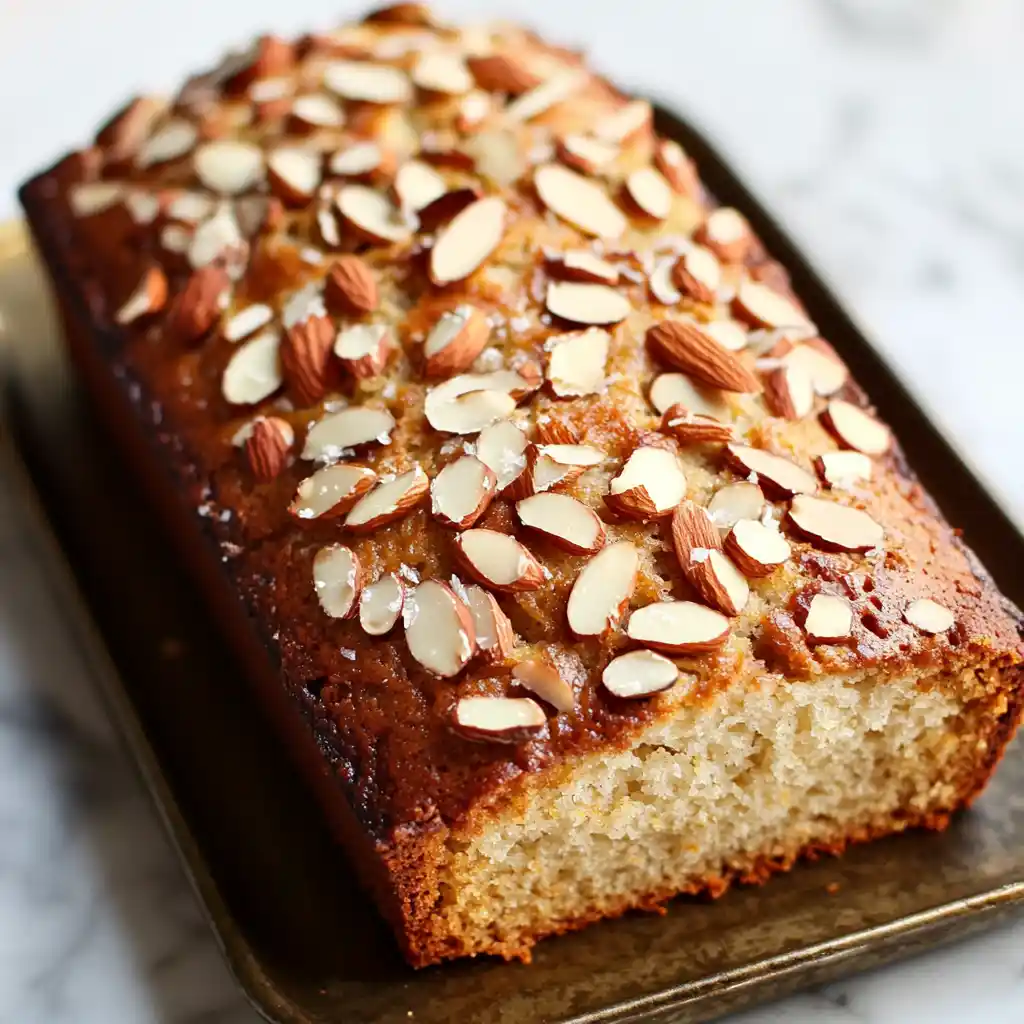
Ingredients
- 1 1/2 cups all-purpose flour (spoon it into the cup and level off—don’t pack)
- 1 1/2 tsp baking powder (make sure it’s fresh)
- 1/4 tsp salt
- 1/2 cup unsalted butter, softened (room temperature, not melted)
- 1 cup granulated sugar
- 2 large eggs (room temperature blend better)
- 1/2 cup milk (whole milk makes it richer)
- Zest of 1 lemon (use a microplane for fine, fluffy zest)
- 1/2 tsp almond extract (pure, not imitation)
- 1/2 cup sliced almonds (fresh, not stale)
Instructions
- Crank your oven to 350°F and grease a 9×5-inch loaf pan really well with butter or non-stick spray. Get into all the corners so nothing sticks.
- In a medium bowl, whisk together flour, baking powder, and salt until evenly distributed. Set this aside—you’ll need it later.
- In a large mixing bowl, cream the softened butter and sugar together. Here’s the crucial part: beat them for a full 3-5 minutes until light, fluffy, and pale yellow—almost white. This incorporates air that makes your bread tender instead of dense. Don’t rush this step.
- Add the eggs one at a time, beating well after each addition until fully incorporated before adding the next. The mixture should look smooth and creamy, not separated.
- Stir in the milk, lemon zest (no bitter white pith, just the yellow part), and almond extract. Mix until everything’s well combined and smells incredible.
- Here’s where I used to mess up: gradually add the flour mixture to the wet ingredients and mix until just combined. You should still see a few flour streaks—that’s perfect. The batter should look slightly lumpy, not smooth. Count about 10-12 gentle stirs, then stop. Overmixing makes tough, dense bread.
- Gently fold in the sliced almonds using broad, sweeping motions with a rubber spatula. You want them distributed throughout but you’re not beating them in.
- Pour the batter into your prepared loaf pan and spread it out evenly, smoothing the top with a spatula.
- Bake for 50-60 minutes, checking at 50. A toothpick inserted into the center should come out clean or with just a few moist crumbs. The top should be golden brown and might have a crack down the middle (totally normal and pretty).
- Let it cool in the pan for 10 minutes—this helps it set and makes removal easier. Then turn it out onto a wire rack to cool completely before slicing. Slicing warm bread makes it crumbly and fall apart (I know waiting is torture).
Nutrition Information (Per Slice):
- Calories: 245
- Carbohydrates: 33g
- Protein: 4g
- Fat: 11g
- Fiber: 1g
- Sodium: 150mg
- Vitamin E: 8% DV (from almonds)
- Calcium: 6% DV
This bread gives you healthy fats from almonds and butter, plus vitamin E—basically a treat that doesn’t feel totally indulgent but still satisfies your sweet tooth.
Notes:
- Seriously, cream the butter and sugar for 3-5 full minutes. This step is crucial for tender texture—don’t rush it.
- Room temperature butter and eggs blend better and create a more uniform batter. Cold eggs can cause the butter to seize up.
- Don’t overmix after adding flour! Just fold until you barely see flour streaks, then stop. Lumpy batter is good batter.
- Check early and often starting at 50 minutes. Bread goes from perfect to dry and overbaked quickly.
- Let it cool completely before slicing or it’ll be crumbly and fall apart. Patience pays off here.
Storage Tips:
This lemon almond bread keeps beautifully at room temperature wrapped tightly in plastic wrap or stored in an airtight container for 4 days—it actually tastes better the next day once flavors meld. For longer storage, refrigerate for up to a week, though it might dry out slightly (warm slices for 10 seconds in the microwave to refresh). Freeze completely cooled bread wrapped in plastic wrap and foil for up to 3 months—thaw at room temperature still wrapped to prevent condensation. Don’t store it uncovered or it’ll get stale and hard. Slices also freeze well individually for grab-and-go portions.
Serving Suggestions:
- Classic Breakfast: Serve sliced with softened butter and hot coffee for a simple, elegant morning treat
- Afternoon Tea: Pair with Earl Grey tea and fresh berries for a sophisticated afternoon break
- Brunch Spread: Serve alongside fresh fruit, yogurt, and scrambled eggs for a complete brunch menu
- Gift Giving: Wrap cooled loaf in parchment and tie with twine—makes a thoughtful homemade gift that looks professional
Mix It Up (Recipe Variations):
Lemon Almond Glazed Bread: Whisk together 1 cup powdered sugar and 2 tablespoons lemon juice, then drizzle over cooled bread. Looks professional and adds extra lemon punch.
Cranberry Lemon Almond Bread: Fold in 1/2 cup dried cranberries along with the almonds for a festive version that’s perfect for holidays.
Poppy Seed Lemon Almond Bread: Add 2 tablespoons poppy seeds to the batter for that classic lemon-poppy combination that’s always a hit.
Double Almond Bread: Replace 1/4 cup of all-purpose flour with almond flour for even more almond flavor and incredibly tender texture. So good.
What Makes This Recipe Special:
This lemon almond bread follows the creaming method used in cake baking, where butter and sugar are beaten together to incorporate air, creating tender, fine crumb. The lemon zest provides pure aromatic citrus flavor without adding moisture that would make the bread soggy or change texture. What sets this apart from plain lemon bread is the almond extract and sliced almonds that add nutty depth and textural interest—every bite has soft tender crumb studded with crunchy almond pieces. The key is proper creaming and gentle mixing for bakery-quality results.
