
Ever wonder why bakery quick breads stay moist for days while homemade ones turn dry by tomorrow? I used to think making perfect pumpkin cranberry bread required some kind of secret ingredient until my grandmother shared her foolproof recipe. Now I’m baking this spiced, jewel-studded loaf every autumn weekend, and my neighbors have started dropping by suspiciously close to when it comes out of the oven (if only they knew about the three dense, flavorless bricks I made before figuring out the gentle mixing and not-overbaking secrets).
Here’s What I’ve Learned About This Recipe
What makes this pumpkin cranberry bread work is the perfect balance of warm spices and tart cranberries that keeps it from being one-note sweet like plain pumpkin bread. I learned the hard way that using fresh pumpkin puree makes it too watery and dense—canned pumpkin puree is actually better because it has consistent moisture content and saves you hours of roasting and pureeing. The melted butter creates a tender, moist crumb that stays fresh for days, and the cranberries add bursts of tart flavor and beautiful color throughout. It’s honestly that simple—mix wet and dry ingredients separately, combine gently, and don’t overbake. Those three things separate gorgeous bakery-style bread from dry doorstops.
What You’ll Need (And My Shopping Tips)
Good canned pumpkin puree is essential—make sure you buy pure pumpkin puree, NOT pumpkin pie filling which already has sugar and spices added. I always check the ingredients list to make sure it just says “pumpkin” (happens more than I’d like to admit when I grab the wrong can and wonder why my bread tastes weird). Don’t cheap out on the spices; fresh ground cinnamon, nutmeg, and cloves make such a difference compared to dusty, ancient spices from the back of your cabinet.
Unsalted butter gives you control over the salt level, and melted butter creates a tender texture that solid butter doesn’t. The dried cranberries should be plump and soft, not hard and shriveled like little rocks—if yours are dried out, soak them in warm water for 5 minutes, then pat them completely dry before using. Fresh eggs at room temperature blend better with the other ingredients and create a more uniform batter. Learn more about choosing pumpkin puree for the best baking results. I always grab an extra can of pumpkin because once fall hits, I’m making this constantly.
Let’s Make This Together
Start by cranking your oven to 350°F and greasing and flouring a 9×5-inch loaf pan really well—I use butter to grease it, then dust with flour, tapping out the excess. This prevents sticking and helps the bread develop a nice crust. In a medium bowl, whisk together the flour, baking soda, baking powder, salt, cinnamon, nutmeg, and cloves until everything’s evenly distributed and there are no spice clumps. Set this aside—you’ll need it later.
In a large bowl, mix the melted butter (make sure it’s cooled slightly so it doesn’t scramble the eggs) and sugar together until well combined. It should look smooth and slightly grainy. Add the eggs one at a time, beating well after each addition until it’s fully incorporated before adding the next. The mixture should look smooth and creamy, slightly thickened.
Stir in the pumpkin puree and vanilla extract until smooth and well combined. The mixture should be bright orange and smell incredible. Here’s my secret: make sure your pumpkin puree is well-stirred before measuring because it can separate in the can.
Now here’s the crucial part where I used to mess up every time: gradually add the dry ingredients to the wet ingredients and mix with a wooden spoon or spatula until just combined. You should still see a few flour streaks—that’s perfect. The batter should look slightly lumpy and thick, not smooth and overmixed. Stop mixing when you barely see flour—overmixing develops gluten and makes tough, dense bread instead of tender, moist texture. I count about 12-15 gentle folds after adding the flour, then I stop even if it looks underdone.
Gently fold in the dried cranberries using broad, sweeping motions until they’re evenly distributed throughout the batter. You want them scattered throughout, not all sunk to the bottom. Pour the batter into your prepared loaf pan and smooth the top with a spatula—it should be thick and hold its shape.
Slide the pan into your preheated oven and bake for 60-70 minutes. Start checking at 60 minutes by sticking a toothpick into the center—it should come out clean or with just a few moist crumbs, not wet batter. Every oven runs differently, so trust your toothpick test more than the timer. The top should be deeply golden brown and might have a crack down the middle, which is totally normal and actually looks pretty.
Let it cool in the pan for 10 minutes (this helps it set and makes it easier to remove), then turn it out onto a wire rack to cool completely before slicing. If you slice it while it’s still warm, it’ll be crumbly and fall apart. I know waiting is torture when it smells so good, but trust me on this one.
If you’re craving more fall baking, try this Classic Pumpkin Bread that uses similar spices and techniques.
When Things Go Sideways (And They Will)
Bread turned out dry and crumbly instead of moist? You probably overbaked it or overmixed the batter. Don’t panic—this pumpkin cranberry bread should be tender and moist, not dry and dense. Next time, check earlier and pull it out as soon as that toothpick comes out clean. Remember, it continues cooking a bit as it cools, so slightly underdone is way better than overdone.
Got a dense, heavy loaf instead of light and tender? You overmixed after adding the flour and developed too much gluten. The batter should look lumpy with flour streaks visible—stop mixing as soon as the flour barely disappears. If your bread has a big tunnel or hole in the middle, you definitely overmixed or your leavening (baking soda/powder) was old and lost its power.
Cranberries all sank to the bottom instead of staying distributed? Your batter was too thin, or the cranberries were too wet. Toss the dried cranberries in a tablespoon of flour before folding them in—it helps them stay suspended throughout the batter. And make sure if you soaked them to rehydrate, you’ve patted them completely dry. This pumpkin cranberry bread recipe is forgiving, but physics matters when it comes to keeping mix-ins distributed.
Ways to Mix It Up
When I’m feeling fancy, I’ll make a Cream Cheese Swirl Pumpkin Bread by swirling sweetened cream cheese through the batter before baking—looks professional and tastes incredible. Around the holidays, I’ll throw in 1/2 cup of chopped pecans or walnuts along with the cranberries for Nutty Pumpkin Cranberry Bread that feels extra special. My family loves the Chocolate Chip Pumpkin Cranberry Bread where I add 1/2 cup of chocolate chips—the combo of pumpkin, cranberry, and chocolate is surprisingly amazing. For a Maple Glazed Pumpkin Bread, I’ll whisk together powdered sugar and maple syrup to drizzle over the cooled bread for bakery-style presentation.
What Makes This Bread Special
This pumpkin cranberry bread works so well because it follows the muffin method where you keep wet and dry ingredients separate until the last moment, then combine them with minimal stirring. This prevents gluten development that would make it tough and cake-like. The pumpkin puree provides natural moisture and sweetness while adding nutrition and that gorgeous orange color. Quick breads like this rely on chemical leavening (baking soda and baking powder) instead of yeast, making them fast and approachable for home bakers. What sets this apart from plain pumpkin bread is the tart cranberries that cut through the sweetness and add textural interest—every bite has soft, spiced crumb studded with tangy cranberry bursts. I’ve learned that the key is gentle mixing and watching the baking time—get those two things right, and you’ll have bakery-quality results every time.
Things People Ask Me About This Recipe
Can I make this pumpkin cranberry bread ahead of time?
Absolutely! This bread actually tastes even better the next day once the flavors have melded together and the moisture has distributed evenly. Wrap it tightly in plastic wrap or store in an airtight container at room temperature for up to 5 days. The texture stays moist and tender, making it perfect for baking on Sunday and enjoying all week.
Can I use fresh cranberries instead of dried?
You can, but you’ll need to chop them and maybe add a bit more sugar because fresh cranberries are super tart. Toss them in a tablespoon of flour before adding to help them distribute evenly. I prefer dried because they’re sweeter, easier to work with, and don’t add extra moisture that can make the bread soggy.
What if I only have pumpkin pie spice?
You can use 2 teaspoons of pumpkin pie spice instead of the individual cinnamon, nutmeg, and cloves. It won’t be quite as complex in flavor, but it works in a pinch and saves you from measuring multiple spices.
How do I know when it’s perfectly done?
The toothpick test is your best friend—insert a toothpick into the center of the loaf, and it should come out clean or with just a few moist crumbs. The top should be deeply golden brown and spring back when you gently press it. If the toothpick comes out with wet batter, give it another 5-10 minutes and test again.
Can I freeze this pumpkin cranberry bread?
Definitely! Let it cool completely, wrap it tightly in plastic wrap, then wrap again in aluminum foil or place in a freezer bag. Freeze for up to 3 months. Thaw at room temperature still wrapped—this prevents condensation from making it soggy. Tastes freshly baked when thawed, and it’s amazing to have homemade pumpkin bread ready whenever you need it.
Why did my bread sink in the middle?
This usually happens if you overmix the batter (developing too much gluten), open the oven door too early (letting out heat), or your oven temperature is off. Make sure you’re mixing just until the flour disappears, and don’t peek until at least 50 minutes have passed. An oven thermometer helps ensure your oven is actually at 350°F.
One Last Thing
I couldn’t resist sharing this pumpkin cranberry bread because it’s become my answer to “what should I bring” for every fall potluck, Thanksgiving gathering, and cozy coffee date. It looks impressive, tastes like you spent all day baking, and makes your whole house smell like autumn perfection. The best bread mornings are when I’ve got a golden loaf cooling on the counter and everyone’s hovering around asking when they can have a slice, and I’m already thinking about which variation to try next. You’ve got this!
Print
Pumpkin Cranberry Bread
Description
This tender pumpkin cranberry bread tastes like fall—warm spices, sweet pumpkin, and tart cranberries in a moist, cake-like loaf that stays fresh for days.
Prep Time: 15 minutes | Cook Time: 65 minutes | Total Time: 80 minutes | Servings: 10 slices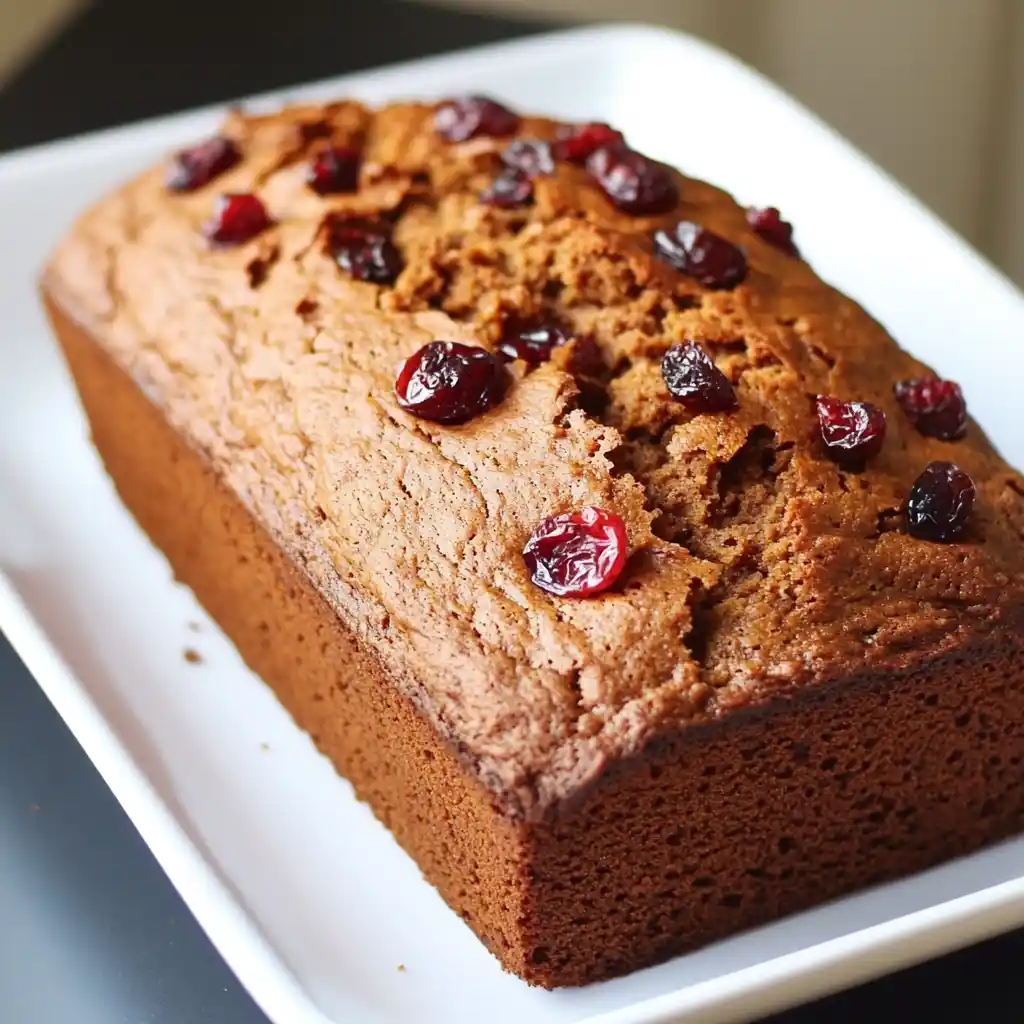
Ingredients
- 2 cups all-purpose flour (spoon it into the cup and level off—don’t pack)
- 1 tsp baking soda
- 1/2 tsp baking powder (make sure it’s fresh)
- 1/2 tsp salt
- 1 tsp ground cinnamon (fresh cinnamon makes such a difference)
- 1/2 tsp ground nutmeg
- 1/4 tsp ground cloves
- 1/2 cup unsalted butter, melted (let it cool slightly)
- 1 cup granulated sugar
- 2 large eggs (room temperature blend better)
- 1 cup canned pumpkin puree (pure pumpkin, NOT pumpkin pie filling)
- 1 tsp vanilla extract
- 1/2 cup dried cranberries (plump and soft, not hard and shriveled)
Instructions
- Crank your oven to 350°F and grease and flour a 9×5-inch loaf pan really well. I use butter to grease it, then dust with flour, tapping out the excess.
- In a medium bowl, whisk together flour, baking soda, baking powder, salt, cinnamon, nutmeg, and cloves until evenly distributed with no spice clumps. Set this aside.
- In a large bowl, mix the melted butter (cooled slightly so it doesn’t scramble the eggs) and sugar until well combined. It should look smooth and slightly grainy.
- Add the eggs one at a time, beating well after each addition until fully incorporated. The mixture should look smooth and creamy, slightly thickened.
- Stir in the pumpkin puree and vanilla extract until smooth and well combined. The mixture should be bright orange and smell incredible.
- Here’s the crucial part: gradually add the dry ingredients to the wet ingredients and mix with a wooden spoon or spatula until just combined. You should still see a few flour streaks—that’s perfect. The batter should look slightly lumpy and thick. Count about 12-15 gentle folds, then stop. Overmixing makes tough, dense bread.
- Gently fold in the dried cranberries using broad, sweeping motions until they’re evenly distributed throughout the batter.
- Pour the batter into your prepared loaf pan and smooth the top with a spatula. It should be thick and hold its shape.
- Bake for 60-70 minutes, checking at 60. A toothpick inserted into the center should come out clean or with just a few moist crumbs. The top should be deeply golden brown and might have a crack down the middle (totally normal and pretty).
- Let it cool in the pan for 10 minutes—this helps it set and makes removal easier. Then turn it out onto a wire rack to cool completely before slicing. Slicing warm bread makes it crumbly and fall apart (I know waiting is torture).
Nutrition Information (Per Slice):
- Calories: 265
- Carbohydrates: 45g
- Protein: 4g
- Fat: 10g
- Fiber: 2g
- Sodium: 260mg
- Vitamin A: 90% DV
- Iron: 8% DV
This bread gives you massive vitamin A from the pumpkin plus iron and fiber—basically a treat that doesn’t feel totally indulgent but still satisfies your sweet tooth.
Notes:
- Make sure you buy pure pumpkin puree, NOT pumpkin pie filling. Check the ingredients—it should just say “pumpkin.”
- Don’t overmix after adding flour! Just fold until you barely see flour streaks, then stop. Lumpy batter is good batter.
- Room temperature eggs blend better and create a more uniform batter. Cold eggs can make the butter seize up.
- Check early and often starting at 60 minutes. Bread goes from perfect to dry and overbaked quickly.
- Let it cool completely before slicing or it’ll be crumbly and fall apart. Patience pays off here.
Storage Tips:
This pumpkin cranberry bread keeps beautifully at room temperature wrapped tightly in plastic wrap or stored in an airtight container for 5 days—it actually tastes better the next day once flavors meld. For longer storage, refrigerate for up to 10 days, though it might dry out slightly (warm slices for 10 seconds in the microwave to refresh). Freeze completely cooled bread wrapped in plastic wrap and foil for up to 3 months—thaw at room temperature still wrapped to prevent condensation. Don’t store it uncovered or it’ll get stale and hard. Individual slices also freeze well wrapped separately for grab-and-go portions.
Serving Suggestions:
- Classic Breakfast: Serve sliced with softened butter and hot coffee for a simple, elegant morning treat
- Afternoon Snack: Toast slices lightly and spread with cream cheese for an elevated afternoon break
- Thanksgiving Side: Bring to holiday gatherings—everyone loves homemade quick bread and it travels well
- Gift Giving: Wrap cooled loaf in parchment and tie with twine—makes a thoughtful homemade gift that looks professional
Mix It Up (Recipe Variations):
Cream Cheese Swirl Pumpkin Bread: Beat 8oz cream cheese with 1/4 cup sugar and 1 egg. Pour half the pumpkin batter into pan, add cream cheese mixture, top with remaining batter, and swirl with a knife. Looks professional and tastes incredible.
Nutty Pumpkin Cranberry Bread: Fold in 1/2 cup chopped pecans or walnuts along with the cranberries for extra crunch and richness. Toast the nuts first for even better flavor.
Chocolate Chip Pumpkin Cranberry Bread: Add 1/2 cup chocolate chips with the cranberries. The combo of pumpkin, cranberry, and chocolate is surprisingly amazing—my family requests this version constantly.
Maple Glazed Pumpkin Bread: Whisk together 1 cup powdered sugar and 2 tablespoons maple syrup, then drizzle over cooled bread for bakery-style presentation that tastes fancy.
What Makes This Recipe Special:
This pumpkin cranberry bread follows the muffin method where wet and dry ingredients stay separate until the last moment, then combine with minimal stirring. This prevents gluten development that creates tough, cake-like texture. The pumpkin puree provides natural moisture and sweetness while adding nutrition and gorgeous orange color. What sets this apart from plain pumpkin bread is the tart cranberries that cut through sweetness and add textural interest—every bite has soft, spiced crumb studded with tangy cranberry bursts. The key is gentle mixing and watching baking time for bakery-quality results.
