
Ever wonder why some grain bowls taste like bland health food while others are actually crave-worthy? I used to think bulgur was boring cardboard filler until I discovered this foolproof savory chickpeas and bulgur recipe at a Middle Eastern potluck. Now my family requests this hearty, spiced dish for weeknight dinners, and I’m pretty sure my meal-prep friends think I’ve been buying fancy grain bowls from some trendy restaurant (if only they knew how many times I made mushy, underseasoned bulgur before figuring out the right liquid ratio and spice balance).
Here’s the Thing About This Recipe
What makes this savory chickpeas and bulgur work is understanding that bulgur needs proper toasting and the right amount of liquid to develop its nutty flavor. I learned the hard way that treating bulgur like rice doesn’t work—it has a completely different texture and cooking method. The chickpeas add protein and heartiness while the warm spices create layers of flavor that make this feel satisfying, not virtuous. Around here, we’ve figured out that the secret is cooking the bulgur separately in broth first, then combining everything—this prevents mushy grain and ensures every element is perfectly cooked. It’s honestly that simple. No fancy tricks needed, just proper technique and the confidence to let those spices bloom in the oil before adding everything else.
What You’ll Need (And My Shopping Tips)
Good bulgur wheat is worth hunting down—look for medium or coarse bulgur, not the fine stuff that turns to mush. Don’t cheap out on spices either; I learned this after using ancient, flavorless cumin once and wondering why my dish tasted like nothing (happens more than I’d like to admit). Fresh spices make a huge difference, so check those expiration dates in your cabinet. The canned chickpeas should be good quality—rinse them really well to remove that weird canned flavor and excess sodium. Vegetable broth adds so much more flavor than water, and it’s worth using the good stuff or making your own if you’re feeling ambitious. I always grab fresh parsley for garnish because dried herbs just don’t have that bright, fresh finish. Real olive oil matters here since it’s a flavor base, not just cooking fat—save your fancy finishing oil for drizzling, but use decent everyday olive oil for cooking.
Let’s Make This Together
Start by bringing your vegetable broth to a boil in a saucepan. Here’s where I used to mess up: I’d add the bulgur to cold liquid and wonder why it cooked unevenly. Once it’s boiling, add your bulgur wheat, reduce the heat to low, cover tightly, and let it simmer for about 15 minutes. Resist the urge to peek—that steam is what’s cooking the grain. When the liquid is absorbed, fluff it with a fork and set it aside. The grains should be tender but still have a slight chew, not mushy or crunchy.
While the bulgur cooks, heat your olive oil in a large skillet over medium heat. Now for the fun part: add your diced onion and cook until it’s translucent and soft, about 5 minutes. Here’s my secret: don’t rush the onions—they’re building the flavor foundation for everything else. Add the minced garlic and cook for just one more minute until it’s fragrant. I learned this trick from my Lebanese neighbor who swears the key to authentic Middle Eastern grain dishes is properly caramelized aromatics and well-toasted spices.
Stir in those drained chickpeas along with the cumin, paprika, and turmeric. Let this cook for 5-7 minutes, stirring occasionally. You want those chickpeas to warm through and those spices to really toast and bloom—this is where the magic happens. The chickpeas should start to get slightly crispy on the edges. Add your cooked bulgur to the skillet and stir everything together really well, making sure those spices coat every grain. Let it heat through for a couple minutes so all the flavors get friendly. Season generously with salt and pepper—grain dishes need more seasoning than you think. If you’re looking for more hearty grain recipes, my Spiced Lentil and Rice Pilaf uses similar flavor-building techniques with different ingredients.
Garnish with fresh chopped parsley right before serving—that bright green pop makes all the difference.
If This Happens, Don’t Panic
Bulgur turned out mushy and waterlogged? You probably used too much liquid or didn’t let it steam properly. If your savory chickpeas and bulgur tastes bland, you didn’t use enough spices or forgot to toast them in the oil. In reality, I’ve learned to be generous with spices and always let them bloom in hot oil before adding other ingredients. Chickpeas still cold in the center? You didn’t cook them long enough after adding them to the skillet—give them the full 5-7 minutes. This is totally fixable next time—just adjust your timing and measurements. I always taste and adjust seasonings at the end now because different broths have different salt levels, and you might need more than you think. If your bulgur is too dry, add a splash more broth or water and let it absorb for a few more minutes covered.
Ways to Mix It Up
When I’m feeling fancy, I’ll add toasted pine nuts or slivered almonds on top for extra crunch and richness. Around the summer, I’ll make Mediterranean Chickpeas and Bulgur by adding sun-dried tomatoes and olives to the mix—bright and tangy. My veggie-loving friends go crazy for the Roasted Vegetable version, where I add roasted red peppers and zucchini along with the chickpeas. For extra protein, try stirring in some crumbled feta or a dollop of Greek yogurt on top when serving. Fair warning though, the pine nut version is so addictive that you might find yourself making this three times a week.
What Makes This Recipe Special
The genius in this savory chickpeas and bulgur comes from understanding how to properly cook bulgur and layer flavors through toasting spices. Bulgur is a partially precooked wheat product that just needs rehydration, but cooking it in flavorful broth instead of water creates a foundation of taste from the start. Toasting the spices in oil releases their essential oils and creates deeper, more complex flavors than just sprinkling them in at the end. The chickpeas provide protein and texture while absorbing all those warm spices. It’s a technique rooted in Middle Eastern cooking traditions where grains and legumes are treated with respect and given the time they need to develop proper flavor and texture. This is proof that plant-based meals can be genuinely satisfying and delicious without requiring hours of work.
Things People Ask Me About This Recipe
Can I make this savory chickpeas and bulgur ahead of time?
Absolutely! This actually tastes better the next day after the flavors have had time to meld. Make it up to 3 days ahead and store in the fridge. Reheat gently in a skillet with a splash of water or broth to loosen it up. It’s perfect for meal prep—portion it into containers for easy weekday lunches.
What if I can’t find bulgur wheat?
Quinoa or farro make good substitutes, though they have different textures and cooking times. Quinoa takes about 15 minutes and has a lighter, fluffier texture. Farro takes 30-40 minutes and has a chewier bite. Either way, cook them in vegetable broth for maximum flavor.
Is this dish filling enough for a main course?
Definitely! The combination of bulgur and chickpeas provides both carbs and protein, making this a complete meal. I usually serve it as a main with a simple salad on the side. If you want it even heartier, add some roasted vegetables or top with a fried egg.
Can I use dried chickpeas instead of canned?
Sure! You’ll need about 3/4 cup dried chickpeas, which you’ll need to soak overnight and then cook until tender (about 1-1.5 hours). It’s more work, but the texture is slightly better and you can control the salt level. Canned chickpeas are totally fine though—just rinse them well.
How do I store leftovers?
Keep them in an airtight container in the fridge for up to 4 days. The bulgur absorbs more liquid as it sits, so add a splash of water or broth when reheating. I usually reheat portions in the microwave with a damp paper towel over the top, or warm it in a skillet.
Can I make this gluten-free?
Bulgur contains gluten, so you’d need to substitute with quinoa, rice, or buckwheat to make this gluten-free. The cooking method stays the same—just adjust the cooking time based on your chosen grain.
Before You Head to the Kitchen
I couldn’t resist sharing this because grain bowls shouldn’t be boring or taste like punishment. The best savory chickpeas and bulgur nights are when you realize you’ve made something nutritious that actually tastes good enough to crave. Give this a shot—you might just discover that healthy weeknight dinners can be genuinely delicious.
Print
Savory Chickpeas and Bulgur
Description
Nutty bulgur wheat combined with spiced chickpeas and warm aromatics—a hearty, flavorful one-pot meal that proves plant-based eating can be truly satisfying.
Prep Time: 10 minutes | Cook Time: 25 minutes | Total Time: 35 minutes | Servings: 4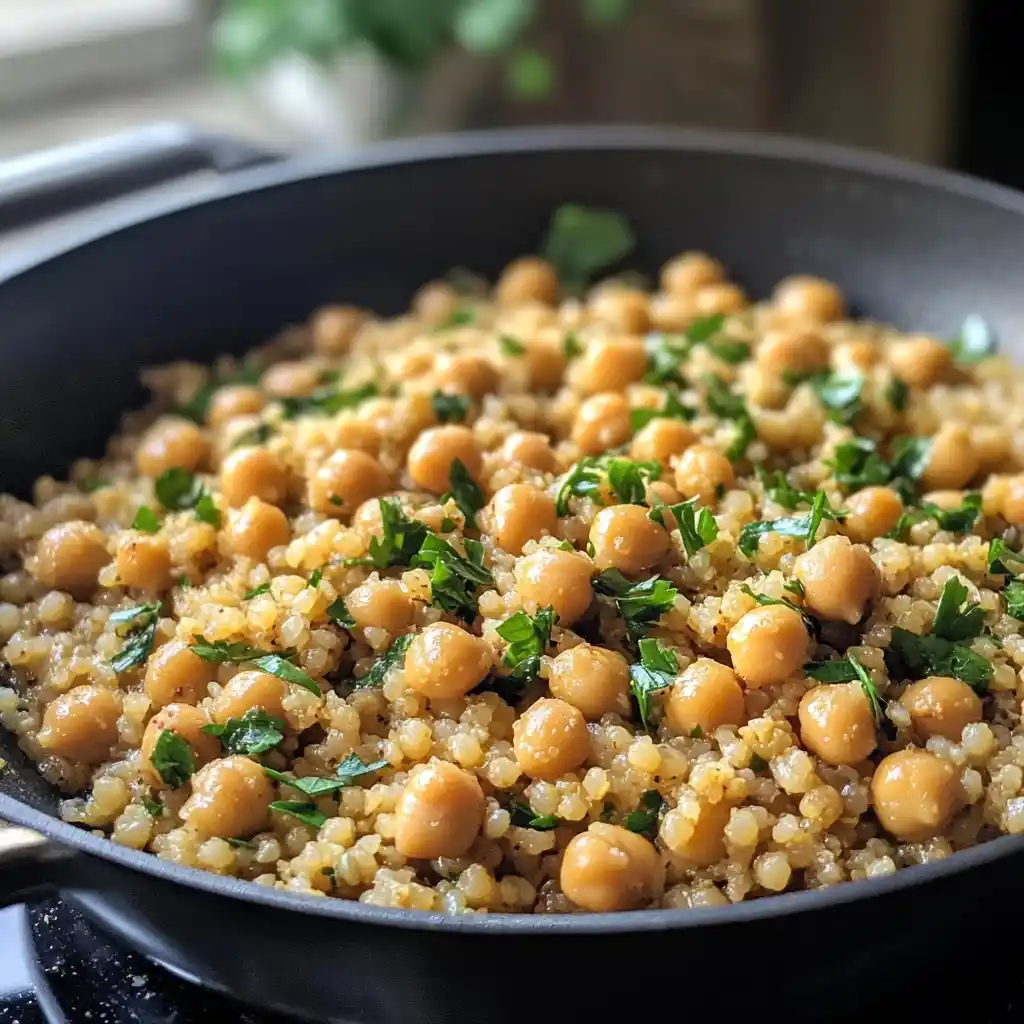
Ingredients
- 1 cup bulgur wheat (medium or coarse grind)
- 2 cups vegetable broth (good quality makes a difference)
- 1 can (15 oz) chickpeas, drained and rinsed really well
- 1 tablespoon olive oil
- 1 small onion, diced
- 2 cloves garlic, minced (fresh, not jarred)
- 1 tsp ground cumin (fresh spices taste better)
- 1 tsp paprika
- 1/2 tsp turmeric
- Salt and pepper to taste (be generous)
- Fresh parsley, chopped, for garnish
Instructions
- In a saucepan, bring the vegetable broth to a rolling boil. Add the bulgur wheat, reduce heat to low, cover tightly with a lid, and let it simmer for about 15 minutes or until all the liquid is absorbed. Don’t peek during cooking—you need that steam.
- Once the liquid is absorbed, remove from heat and fluff the bulgur with a fork. Set it aside while you work on the chickpeas.
- Heat the olive oil in a large skillet over medium heat. Add the diced onion and cook for about 5 minutes until it’s translucent and softened. Don’t rush this step—you’re building flavor.
- Add the minced garlic to the skillet and cook for another minute, stirring constantly until it’s fragrant. Watch it carefully so it doesn’t burn.
- Stir in the drained chickpeas along with the cumin, paprika, and turmeric. Cook for 5-7 minutes, stirring occasionally, until the chickpeas are heated through and the spices are toasted and fragrant. The chickpeas should start getting slightly crispy on the edges.
- Add the cooked, fluffed bulgur wheat to the skillet with the chickpea mixture. Stir everything together really well, making sure the spices coat all the grains evenly. Let it heat through for 2-3 minutes.
- Taste and season generously with salt and pepper. Grain dishes need more seasoning than you think, so don’t be shy.
- Serve the savory chickpeas and bulgur warm, garnished with plenty of fresh chopped parsley for that bright, fresh finish.
Nutrition Information (Per Serving):
- Calories: 285
- Carbohydrates: 48g
- Protein: 11g
- Fat: 6g
- Fiber: 11g
- Sodium: 380mg
- Iron: 3.5mg (19% DV)
- Folate: 85mcg (21% DV)
This savory chickpeas and bulgur packs protein, fiber, and complex carbs into one satisfying bowl—a genuinely nutritious meal that doesn’t taste like diet food.
Notes:
- Don’t skip toasting the spices in oil—this releases their essential oils and creates deeper flavor.
- Keep the bulgur covered while it cooks so the steam can do its work.
- Rinse canned chickpeas well to remove excess sodium and that metallic canned taste.
- Fresh spices make a huge difference in flavor, so check those expiration dates.
Storage Tips:
Refrigerator: Store in an airtight container for up to 4 days. The bulgur will absorb more liquid as it sits, so add a splash of broth when reheating.
Freezer: Freezes well for up to 3 months. Thaw in the fridge overnight and reheat with added liquid.
Reheating: Reheat in a skillet with a splash of water or broth, or microwave with a damp paper towel over the bowl.
Serving Suggestions:
- Complete Meal: Serve with a side salad and tahini dressing
- Protein Boost: Top with a fried or poached egg
- Mediterranean Style: Add cucumber, tomatoes, and a dollop of Greek yogurt
- Wrapped Up: Use as filling for wraps or stuffed pita bread
Mix It Up (Recipe Variations):
Pine Nut Chickpeas and Bulgur: Toast 1/4 cup pine nuts and sprinkle on top for nutty crunch and richness.
Mediterranean Version: Add 1/4 cup chopped sun-dried tomatoes and sliced kalamata olives with the chickpeas.
Roasted Vegetable Bulgur: Stir in roasted red peppers and zucchini for extra vegetables and color.
Feta-Topped: Crumble feta cheese on top when serving for tangy, creamy contrast.
What Makes This Recipe Special:
This savory chickpeas and bulgur showcases how proper technique transforms simple ingredients into something genuinely satisfying. Cooking the bulgur in flavorful broth instead of water creates a foundation of taste, while toasting spices in oil releases their essential oils for deeper, more complex flavor. The combination of whole grain bulgur and protein-rich chickpeas creates a complete meal that’s both nutritious and filling. It’s a dish rooted in Middle Eastern cooking traditions where grains and legumes are treated with respect and given the time they need to develop proper texture and flavor. This proves that plant-based meals don’t have to be complicated or time-consuming to be delicious and satisfying.
