
Remember the first time you tried cooking fish at home and it turned out dry and rubbery? I used to panic every time I attempted mahi-mahi until I discovered this foolproof slow-cooker method. Now my family requests this tender slow-cooked mahi-mahi with asparagus at least once a week, and honestly, my sister who “doesn’t do seafood” actually cleans her plate (if only she knew how easy this elegant meal really is).
Here’s the Thing About This Recipe
The secret to authentic slow-cooked fish isn’t standing over a hot stove watching every second—it’s letting gentle heat work its magic. What makes this approach work is the slow cooker’s even temperature that keeps mahi-mahi incredibly moist while the asparagus stays tender-crisp. I learned the hard way that high heat is fish’s worst enemy. Low and slow creates perfectly flaky fish every single time. No fancy tricks needed, just your slow cooker and about 2 hours.
What You’ll Need (And My Shopping Tips)
Good mahi-mahi is worth seeking out at your fish counter—I always ask what came in that day because freshness matters big time. Fresh mahi-mahi should smell like the ocean, not fishy. I learned this after buying questionable fish once (happens more than I’d like to admit).
Asparagus is the perfect partner here. Look for firm stalks with tight tips that aren’t mushy or slimy. Medium-thick asparagus works best—the super-thin ones turn to mush, and the thick ones stay tough. The lemon needs to be fresh, not that plastic squeeze bottle stuff, because real lemon slices infuse everything with bright citrus flavor.
For olive oil, use decent quality—you’re not drowning the fish in sauce, so the oil’s flavor shines through. Fresh garlic is non-negotiable; jarred just doesn’t have that punch. And fresh parsley at the end? That’s what makes it look restaurant-fancy instead of weeknight-simple.
Let’s Make This Together
Start by seasoning your mahi-mahi fillets generously on both sides with salt and pepper. Here’s where I used to mess up—I’d be way too timid with seasoning. Don’t be me. Really coat those fillets because the slow cooker’s gentle heat means flavors need to be pronounced.
Place the seasoned fillets right in the bottom of your slow cooker. Now arrange those trimmed asparagus spears around the fish. I usually snap off the woody ends—they break naturally where the tender part begins.
Here’s my secret: drizzle olive oil generously over everything, then sprinkle minced garlic on top. Don’t skimp on the garlic—it mellows beautifully and becomes sweet and fragrant. Lay lemon slices right on top of the fish and vegetables. Those lemon slices infuse everything with brightness as they cook.
Pop the lid on and set to low. Here’s the trick I learned from trial and error: start checking at 2 hours. Mahi-mahi is done when it flakes easily with a fork and looks opaque all the way through. This goes from perfect to overcooked surprisingly fast, so keep an eye on it.
Once it’s done, carefully transfer the fish and asparagus to a serving platter. Shower everything with fresh chopped parsley and serve immediately. Check out slow-cooker seafood recipes for more inspiration.
When Things Go Sideways (And They Will)
Fish turned out dry and tough? You probably cooked it too long or had the heat on high. In reality, I’ve learned that mahi-mahi is forgiving, but it has limits. Start checking at 2 hours, and trust your fork test. This slow-cooked mahi-mahi is best when just barely cooked through.
Asparagus turned mushy? This happens with thin asparagus or cooking too long. Next time, use medium-thick stalks or add the asparagus halfway through cooking. The fish is still delicious even if the asparagus is soft.
Not enough flavor? You probably under-seasoned or used old spices. Salt and pepper are your friends here—be generous. Fresh garlic and real lemon slices make all the difference too.
When I’m Feeling Creative
Mediterranean Mahi-Mahi: When I want something fancier, I add halved cherry tomatoes, kalamata olives, and fresh oregano. Suddenly it’s Greek-inspired and gorgeous.
Asian-Inspired Version: Sometimes I skip the lemon and use lime slices, add fresh ginger, and finish with sesame oil and cilantro. Completely different vibe but equally good.
Herby Spring Mahi-Mahi: During spring when I’m feeling fancy, I add fresh thyme and dill with the parsley. The herb combination is bright and fresh.
Spicy Citrus Mahi-Mahi: For heat lovers, I add red pepper flakes with the garlic and use both lemon and lime. My husband requests this version constantly.
What Makes This Recipe Special
This recipe adapts Mediterranean cooking traditions of gently cooking fish with vegetables and citrus for modern convenience. The slow cooker delivers that same tender texture without hovering over a stove. I learned from Hawaiian cuisine that mahi-mahi, prized for its firm texture, holds up beautifully to various cooking methods. What sets this apart is the simplicity—quality ingredients cooked gently until perfect. The asparagus cooks alongside the fish, creating a complete meal in one pot that looks impressive but requires minimal effort.
Things People Ask Me About This Recipe
Can I use frozen mahi-mahi for this recipe?
You can, but thaw it completely first and pat it really dry with paper towels. Frozen fish releases more moisture, so you might end up with extra liquid in your slow cooker. Fresh tastes better, but thawed frozen works in a pinch.
What if I can’t find asparagus for this slow-cooked mahi-mahi?
Don’t stress—green beans, snap peas, or sliced zucchini work great. Just adjust cooking time based on the vegetable. Hardier veggies like green beans can go in from the start; delicate ones like snap peas should be added in the last hour.
Is this slow-cooked mahi-mahi with asparagus healthy?
Absolutely! Mahi-mahi is lean protein with minimal fat, and asparagus is packed with vitamins and fiber. The olive oil provides healthy fats. It’s one of those meals where eating healthy feels like treating yourself.
Can I make this for a dinner party?
One hundred percent yes. I actually love serving this when entertaining because it looks elegant but requires zero last-minute fussing. Just transfer to a nice platter, garnish with parsley, and everyone thinks you’re a culinary genius.
What’s the best way to store leftover mahi-mahi?
Keep leftovers in an airtight container in the fridge for up to 2 days. The fish reheats okay in the microwave on low power (30-second intervals), but honestly, I love it cold on a salad. The lemon-garlic flavor is amazing chilled.
How do I know when the mahi-mahi is perfectly done?
The fish should flake easily when you press a fork into it and look opaque all the way through. If it’s still translucent in the center, give it another 15-20 minutes. If it falls apart when you touch it, you’ve gone a bit too long.
Before You Head to the Kitchen
I couldn’t resist sharing this slow-cooked mahi-mahi with asparagus because it proves that impressive seafood dinners don’t require chef skills. The best mahi-mahi nights are when dinner’s ready, the house smells incredible, and everyone thinks you worked way harder than you did.
Print
Slow-Cooked Mahi-Mahi with Asparagus
Description
This tender slow-cooked mahi-mahi with asparagus delivers elegant, restaurant-quality seafood with minimal effort—perfect for busy weeknights or impressive dinner parties.
Prep Time: 10 minutes | Cook Time: 2-3 hours | Total Time: 2 hours 10 minutes – 3 hours 10 minutes | Servings: 4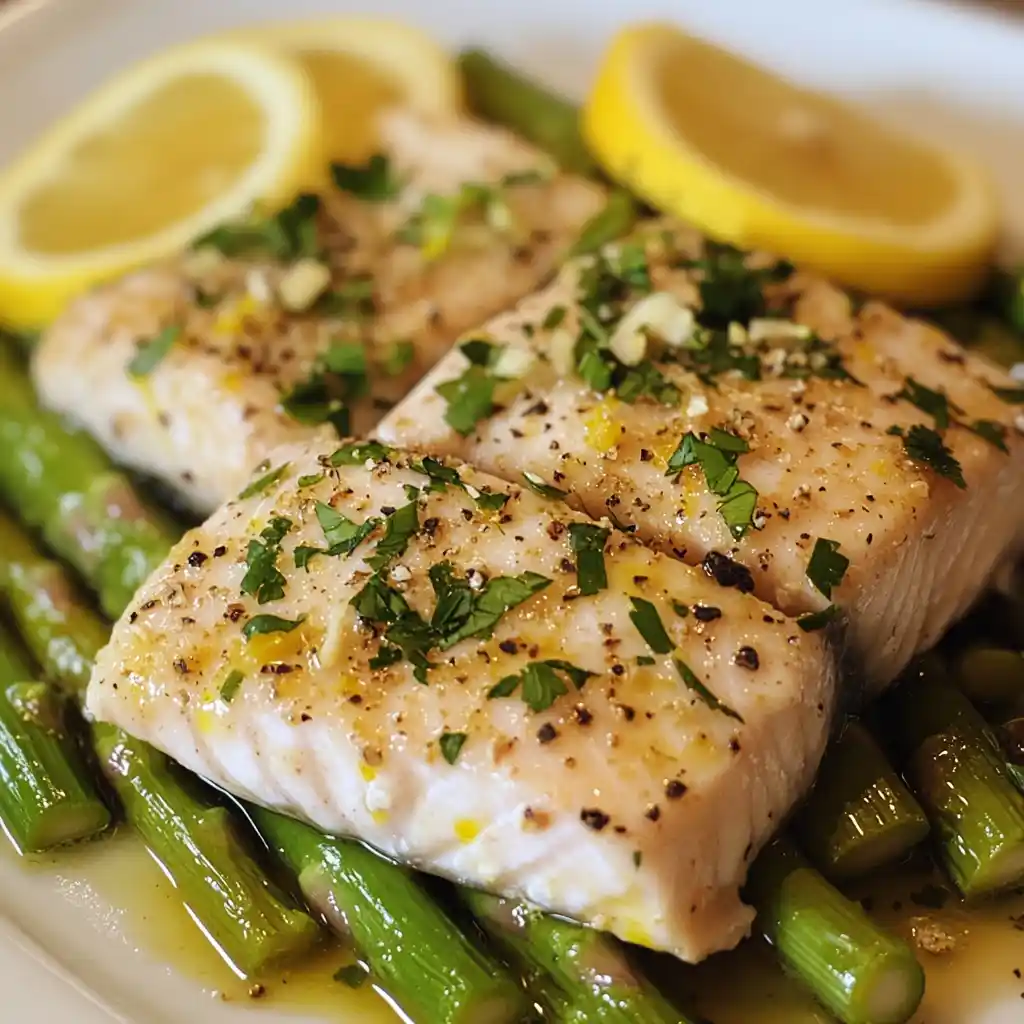
Ingredients
- 4 mahi-mahi fillets, 6 oz each (fresh is best—smell it before buying)
- 1 lb fresh asparagus, trimmed (medium-thick stalks work best)
- 2 tbsp olive oil (good quality shows in this simple dish)
- 2 cloves garlic, minced (fresh only—jarred won’t cut it)
- 1 lemon, sliced into thin rounds (fresh lemon is essential)
- Salt and pepper to taste (be generous—fish needs good seasoning)
- Fresh parsley, chopped for garnish (this makes it look restaurant-fancy)
Instructions
- Season those mahi-mahi fillets generously on both sides with salt and pepper. Don’t be shy—really coat them. The gentle slow-cooker heat means you need pronounced seasoning.
- Place the seasoned fillets right in the bottom of your slow cooker. They can overlap slightly if needed, but try to give them some space.
- Arrange the trimmed asparagus spears around and over the fish. I snap off the woody ends first—they break naturally where the tender part begins.
- Drizzle olive oil generously over the fish and asparagus. Sprinkle that minced garlic evenly over everything—it’ll become sweet and mellow as it cooks.
- Lay lemon slices on top of the fish and vegetables. Those lemon slices infuse everything with bright citrus flavor as they cook.
- Pop the lid on your slow cooker and set it to low. Cook for 2-3 hours. Start checking at 2 hours—the fish is done when it flakes easily with a fork and looks opaque all the way through.
- Once perfectly cooked, carefully transfer the mahi-mahi and asparagus to a serving platter using a spatula. They’ll be tender, so move gently.
- Shower everything with fresh chopped parsley before serving. That pop of green makes it look gorgeous.
- Serve immediately while hot. The tender fish and perfectly cooked asparagus are at their best right away.
Nutrition Information (Per Serving):
- Calories: 260
- Carbohydrates: 6g
- Protein: 36g
- Fat: 10g
- Fiber: 3g
- Sodium: 150mg
- Omega-3 Fatty Acids: 0.3g
- Vitamin A: 15% DV
- Vitamin C: 20% DV
- Folate: 25% DV
Mahi-mahi provides lean protein and heart-healthy omega-3s, while asparagus delivers folate, vitamins A and C, and fiber. This is a genuinely nutritious meal that tastes indulgent.
Notes:
- Pat the fish dry before seasoning. Wet fish doesn’t hold seasoning well and can make your slow cooker watery.
- Medium-thick asparagus works best. Thin spears turn mushy; super-thick ones stay tough. Aim for pencil-thickness.
- Start checking at 2 hours. Every slow cooker runs differently, and fish thickness varies. When it flakes easily, it’s done.
- Don’t skip fresh lemon slices. Bottled juice doesn’t infuse the same way. Real lemon slices make everything taste bright.
- Fresh parsley really elevates this. It adds color and freshness that transforms the presentation from simple to special.
Storage Tips:
Store leftovers in an airtight container in the fridge for up to 2 days. Don’t freeze this one—previously cooked fish doesn’t freeze well and gets mushy when thawed. Reheat gently in the microwave at 50% power in 30-second intervals, or honestly, I prefer it cold on top of mixed greens the next day. The lemon-garlic flavor is delicious chilled.
Serving Suggestions:
Over Rice or Quinoa: Serve the fish and asparagus over fluffy rice or quinoa to soak up any cooking juices.
With Roasted Potatoes: Crispy roasted baby potatoes alongside make this feel like a complete, satisfying meal.
Alongside Crusty Bread: Good bread for mopping up the garlicky lemon juices is pure heaven.
With a Simple Salad: Mixed greens with a light vinaigrette keep the meal fresh and balanced.
Mix It Up (Recipe Variations):
Mediterranean Mahi-Mahi: Add 1 cup halved cherry tomatoes, 1/4 cup kalamata olives, and fresh oregano. Greek-inspired and colorful.
Asian-Inspired Version: Use lime slices instead of lemon, add fresh grated ginger, and finish with a drizzle of sesame oil and chopped cilantro.
Herby Spring Mahi-Mahi: Add fresh thyme sprigs during cooking and finish with fresh dill and parsley. Light and springy.
Spicy Citrus Version: Add 1/2 tsp red pepper flakes with the garlic and use both lemon and lime slices. Bright with a kick.
Low-Carb/Keto: This recipe is naturally low-carb and keto-friendly as written. Just skip any starchy sides and serve with extra vegetables.
What Makes This Recipe Special:
This slow-cooker method adapts Mediterranean techniques of gently cooking fish with vegetables and citrus for ultimate convenience. Mahi-mahi’s firm texture holds up beautifully to slow cooking without falling apart, while the asparagus cooks to tender-crisp perfection. The hands-off approach means you get restaurant-quality seafood without precise timing or constant monitoring—just set it and come back to perfectly cooked fish.
