
Ever wonder why some fish recipes turn out dry and disappointing no matter how carefully you follow directions? I used to be terrified of cooking mahi-mahi until I discovered this foolproof slow-cooker method. Now my family asks for this tender slow-cooked mahi-mahi with zucchini weekly, and my in-laws think I’m some seafood wizard (if only they knew it’s basically the slow cooker doing all the work while I binge-watch shows).
Here’s the Thing About This Recipe
The secret to authentic slow-cooked fish isn’t babysitting it on the stovetop—it’s letting the slow cooker work its magic. What makes this approach work is gentle, even heat that keeps mahi-mahi incredibly moist while infusing it with garlic, lemon, and oregano. I learned the hard way that high heat ruins delicate fish. Low and slow turns out perfectly flaky fish every time. No fancy tricks needed, just your slow cooker and a couple hours.
What You’ll Need (And My Shopping Tips)
Good mahi-mahi is worth seeking out—I always ask when it came in because fresh makes all the difference. Frozen works in a pinch, but fresh mahi-mahi has this sweet, mild flavor that’s totally worth it. I learned this after buying questionable fish once (happens more than I’d like to admit).
Zucchini is your perfect companion. It releases moisture as it cooks, creating natural sauce that keeps everything tender. Look for medium-sized zucchini that feel firm—giant ones get watery and mushy. The lemon needs to be fresh, not bottled, because that bright acidity makes the whole dish pop.
For olive oil, use something decent—this is simple, so quality ingredients shine. Dried oregano works beautifully here. And fresh parsley at the end? Essential. That pop of green transforms the whole plate.
Let’s Make This Together
Start by seasoning your mahi-mahi fillets generously with salt, pepper, and dried oregano. Here’s where I used to mess up—I’d be too timid. Really coat those fillets because some seasoning gets absorbed during the long cook.
Layer sliced zucchini in the bottom of your slow cooker. This creates a bed that keeps fish from sticking and adds flavor. Nestle your seasoned mahi-mahi on top.
Here’s my secret: drizzle olive oil generously over everything, then sprinkle minced garlic on top. Garlic mellows beautifully in the slow cooker and becomes sweet. Squeeze fresh lemon juice all over—I use a whole lemon because citrus and fish are best friends.
Pop the lid on and set to low. Here’s the trick I learned: cook 2-3 hours, but start checking at 2 hours. Mahi-mahi is done when it flakes easily with a fork and looks opaque through. This goes from perfect to overcooked fast, so keep an eye on it.
When done, shower it with fresh chopped parsley and serve hot. Check out slow-cooker seafood recipes for more inspiration.
When Things Go Sideways (And They Will)
Fish turned out dry? You probably cooked it too long or had heat on high. Mahi-mahi is forgiving but has limits. Start checking at 2 hours, and don’t panic—next time, pull it earlier. This slow-cooked mahi-mahi is best when just barely cooked through.
Zucchini turned to mush? This happens with oversized zucchini or cooking too long. Medium zucchini (6-8 inches) hold up best. The fish is still delicious—just use smaller zucchini next time.
Too much liquid? Zucchini releases water, which is normal and keeps everything moist. If there’s way too much, use a slotted spoon to serve and it’s totally fixable.
When I’m Feeling Creative
Mediterranean Mahi-Mahi: When I want something fancier, I add halved cherry tomatoes, kalamata olives, and crumbled feta in the last 30 minutes. Dinner party worthy.
Spicy Citrus Mahi-Mahi: For a kick, I mix in red pepper flakes and use lime juice instead of lemon. My husband loves this.
Herby Garden Mahi-Mahi: During summer, I throw in fresh basil, thyme, and baby spinach at the end. The herbs stay bright and fresh.
Asian-Inspired Version: Sometimes I skip oregano and go with ginger, soy sauce, and sesame oil instead. Completely different but equally delicious.
What Makes This Recipe Special
This recipe draws from Mediterranean slow-cooking traditions where fish is gently cooked with vegetables and citrus. The slow cooker adapts this beautifully for modern life. I learned from Hawaiian cuisine traditions that mahi-mahi, also called dorado, is prized for firm texture that holds up to various cooking methods. What sets this apart is simplicity—letting quality ingredients shine. The zucchini creates a vegetable side while keeping fish moist, which is basically efficient cooking at its best.
Things People Ask Me About This Recipe
Can I make this slow-cooked mahi-mahi with frozen fish?
You can, but thaw it completely first and pat it really dry. Frozen fish releases more water, so you might end up with extra liquid. I’ve done it when fresh wasn’t available—it works, just doesn’t have quite the same sweet flavor.
What if I can’t find mahi-mahi for this recipe?
Don’t stress—cod, halibut, or tilapia work great with this method. Just adjust cooking time based on thickness. Thinner fish like tilapia might be done in 1.5-2 hours, while thicker cod could take the full 3 hours.
Is this slow-cooked mahi-mahi with zucchini healthy?
Absolutely! Mahi-mahi is lean protein with virtually no saturated fat, and zucchini adds fiber and vitamins with barely any calories. The olive oil provides healthy fats. It’s one of those meals where eating healthy doesn’t feel like a sacrifice.
Can I prep this the night before?
You can season the fish and slice zucchini ahead, but don’t assemble until you’re ready to cook. Fish sitting on vegetables overnight gets weird. Store everything separately in the fridge and throw it together in the morning.
What’s the best way to serve leftover mahi-mahi?
Keep leftovers in an airtight container in the fridge for up to 2 days. The fish reheats okay in the microwave (30-second intervals on low power), but I love it cold on a salad the next day. The lemon-garlic flavor is amazing chilled.
Is this beginner-friendly for someone nervous about cooking fish?
One hundred percent yes. If you can layer ingredients in a slow cooker and set a timer, you can make this. It’s how I built my confidence with seafood—the slow cooker is super forgiving.
Before You Head to the Kitchen
I couldn’t resist sharing this slow-cooked mahi-mahi recipe because it proves impressive seafood dinners don’t require chef skills or constant attention. The best mahi-mahi nights are when I come home to a house that smells incredible and dinner’s basically done.
Print
Slow-Cooked Mahi-Mahi with Zucchini
Description
This tender, flaky slow-cooked mahi-mahi with zucchini delivers restaurant-quality seafood with minimal effort—perfect for busy weeknights when you want something healthy and delicious without the fuss.
Prep Time: 10 minutes | Cook Time: 2-3 hours | Total Time: 2 hours 10 minutes – 3 hours 10 minutes | Servings: 4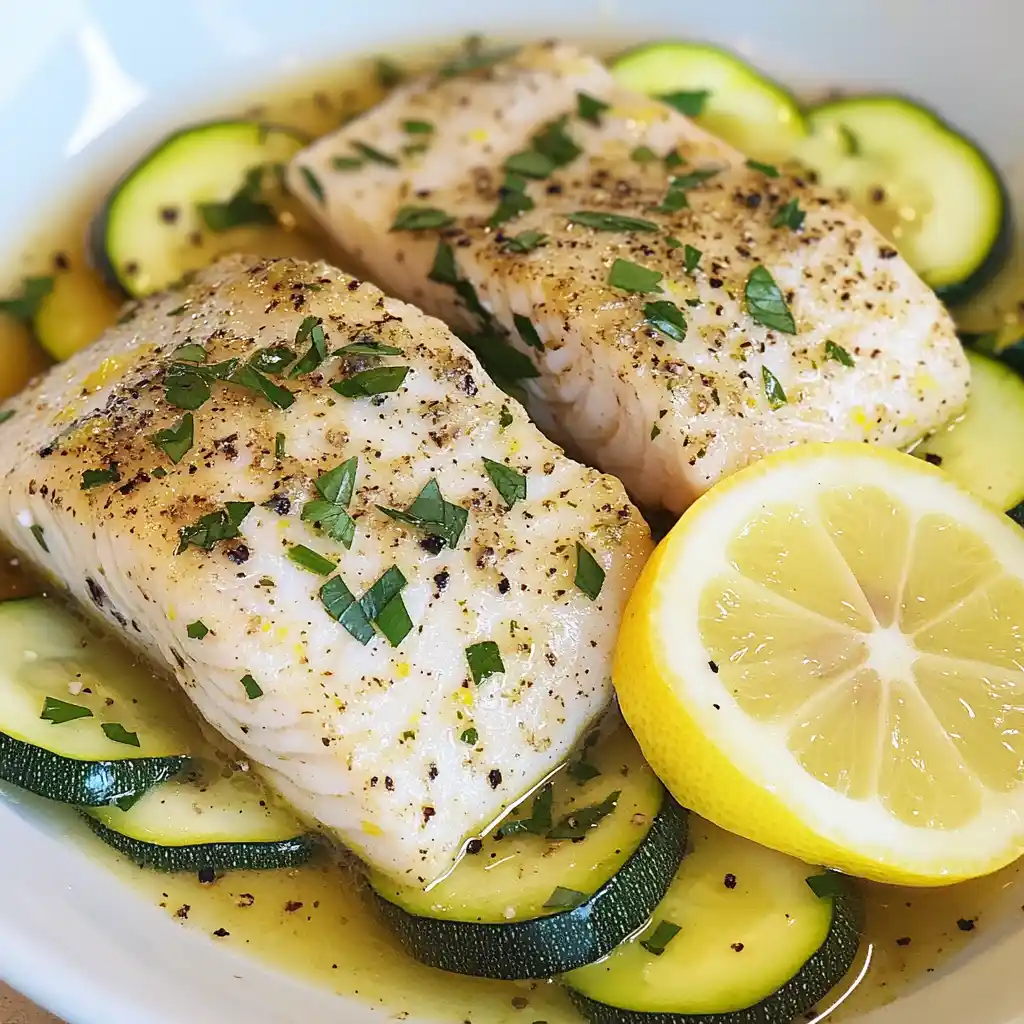
Ingredients
- 4 mahi-mahi fillets, 6 oz each (fresh is best, but thawed frozen works)
- 2 medium zucchinis, sliced into 1/4-inch rounds (not the giant ones)
- 2 cloves garlic, minced (fresh only, please)
- 1 lemon, juiced (about 3 tablespoons—use the whole thing)
- 2 tbsp olive oil (good quality makes a difference here)
- 1 tsp dried oregano (dried works better than fresh for slow cooking)
- Salt and pepper to taste (be generous—don’t be shy)
- Fresh parsley, chopped, for garnish (this is what makes it look restaurant-fancy)
Instructions
- Season those mahi-mahi fillets all over with salt, pepper, and dried oregano. Really coat them—don’t be timid. Some seasoning gets absorbed during the long cook, so you want good coverage.
- Layer the sliced zucchini right in the bottom of your slow cooker in an even layer. This creates a bed that keeps the fish from sticking and adds flavor as everything cooks together. Nestle the seasoned mahi-mahi fillets on top.
- Drizzle olive oil generously over the fish and sprinkle that minced garlic on top. Don’t skimp on the garlic—it becomes sweet and mellow in the slow cooker, not harsh at all.
- Squeeze the juice of your whole lemon over everything. Get every last drop—that citrus brightness is essential.
- Pop the lid on your slow cooker and set it to low. Let it cook for 2-3 hours. Here’s the important part: start checking at 2 hours. The fish is done when it flakes easily with a fork and looks opaque all the way through. Mahi-mahi is forgiving but does have limits, so keep an eye on it.
- Once it’s perfectly flaky, pull it out, garnish with fresh chopped parsley, and serve hot. The zucchini underneath will be tender and soaked with all those good flavors.
Nutrition Information (Per Serving):
- Calories: 245
- Carbohydrates: 5g
- Protein: 35g
- Fat: 9g
- Fiber: 2g
- Sodium: 140mg
- Omega-3 Fatty Acids: 0.3g
- Vitamin C: 25% DV
- Potassium: 15% DV
Mahi-mahi is an excellent source of lean protein and provides heart-healthy omega-3s. Combined with zucchini’s vitamins and fiber, this is a nutritious meal that supports overall health without feeling like “diet food.”
Notes:
- Pat the fish dry before seasoning. Wet fish doesn’t hold seasoning well and can make your slow cooker extra watery.
- Size matters with zucchini. Medium zucchini (6-8 inches) hold their shape best. Giant ones turn mushy and release too much water.
- Start checking at 2 hours. Every slow cooker runs a bit differently, and fish thickness varies. Trust your eyes and a fork test—when it flakes easily, it’s done.
- Don’t skip the fresh lemon juice. Bottled just doesn’t have that bright, fresh acidity that makes this dish sing.
- Fresh parsley really elevates this. It adds color and a fresh finish that makes the whole plate pop. Dried parsley here is sad and doesn’t do much.
Storage Tips:
Store leftovers in an airtight container in the fridge for up to 2 days. Don’t freeze this one—previously cooked fish doesn’t freeze well and gets mushy when thawed. Reheat gently in the microwave at 50% power in 30-second intervals, or honestly, I prefer it cold on top of a salad the next day. The lemon-garlic flavor is amazing chilled, and you skip the whole reheating-fish-smell situation.
Serving Suggestions:
Over Rice or Quinoa: Spoon that lemony zucchini mixture over rice or quinoa to soak up all the delicious juices.
With Crusty Bread: A good baguette for dipping into the garlicky lemon sauce at the bottom of your slow cooker is pure heaven.
Alongside Roasted Potatoes: Crispy roasted potatoes contrast beautifully with the tender fish and soft zucchini.
With a Simple Arugula Salad: Peppery arugula dressed with olive oil and lemon keeps the meal light and fresh.
Mix It Up (Recipe Variations):
Mediterranean Mahi-Mahi: Add 1 cup halved cherry tomatoes, 1/4 cup kalamata olives, and 1/4 cup crumbled feta in the last 30 minutes of cooking. Greek-inspired and gorgeous.
Spicy Citrus Mahi-Mahi: Replace lemon with lime juice and add 1/2 tsp red pepper flakes with the oregano. Bright and spicy.
Herby Garden Version: Add fresh thyme sprigs during cooking, then stir in fresh basil and baby spinach in the last 10 minutes. Light and summery.
Asian-Inspired Mahi-Mahi: Skip the oregano and lemon. Use 2 tbsp soy sauce, 1 tbsp rice vinegar, 1 tsp sesame oil, and fresh grated ginger instead. Completely different flavor profile.
Low-Carb/Keto Friendly: This recipe is already naturally low-carb and keto-friendly as written. Serve with cauliflower rice for an even lower-carb option.
What Makes This Recipe Special:
This slow-cooker method adapts Mediterranean techniques of gently cooking fish with vegetables and citrus for modern convenience. Mahi-mahi’s firm texture holds up beautifully to slow cooking without falling apart, while the zucchini creates moisture that keeps everything tender. This hands-off approach means you get restaurant-quality seafood without the stress of precise timing or constant monitoring—just set it and come back to perfectly cooked fish.
