
Ever wonder why restaurant Cajun chicken tastes bold and perfectly spiced while homemade versions are either bland or so spicy you can’t taste anything else? I used to think Cajun cooking required complicated spice blends and special techniques until I discovered this foolproof spicy Cajun chicken recipe. Now my weeknight dinners feature juicy chicken with the perfect amount of heat and flavor, and honestly, the fact that it takes less than 40 minutes makes me feel like I’ve cracked the code on easy but impressive cooking.
Here’s the Thing About This Chicken
What makes this Cajun chicken recipe work is the way multiple layers of spices create complex flavor while searing locks in moisture before finishing in the oven. Here’s what I’ve learned: most people either use too much cayenne (resulting in pure heat with no flavor) or not enough seasoning (resulting in boring chicken). But when you balance smoky paprika, aromatic garlic and onion, Cajun seasoning, and just enough cayenne, you’re creating actual depth of flavor with controllable heat. It’s honestly that simple—good spice balance, proper searing, right temperature. No deep fryer or specialty equipment needed.
What You’ll Need (And My Shopping Tips)
Good boneless, skinless chicken breasts should be roughly the same size so they cook evenly. I learned this after buying those giant packs where one breast is twice the size of another and ending up with some dry and some undercooked. Look for chicken that’s about 6-8 ounces each and roughly 1 inch thick. If yours are thicker, pound them to even thickness or butterfly them.
Cajun seasoning is a blend you can buy pre-made or make yourself—Tony Chachere’s is the classic brand, but any good Cajun seasoning works. According to The Spruce Eats’ guide to Cajun seasoning, true Cajun seasoning contains paprika, cayenne, garlic powder, onion powder, black pepper, and herbs. Don’t confuse it with Old Bay, which is totally different. The paprika adds color and mild sweetness—smoked paprika works beautifully here for extra depth.
Garlic powder and onion powder should smell potent when you open them. If they smell like nothing, they’re too old and won’t add flavor. Cayenne pepper is what brings the heat—you can adjust this based on your spice tolerance. Start conservative if you’re heat-sensitive. Olive oil helps the spices adhere and prevents sticking during searing.
Let’s Make This Together
Start by preheating your oven to 375°F—let it heat fully while you prep the chicken. In a small bowl, mix together 2 tablespoons Cajun seasoning, 1 teaspoon paprika, 1/2 teaspoon each of garlic powder and onion powder, 1/4 teaspoon cayenne pepper (or more if you like serious heat), plus salt and pepper to taste. I use about 1/2 teaspoon salt and 1/4 teaspoon black pepper. Stir until evenly combined.
Pat your chicken breasts completely dry with paper towels—this is crucial for getting good searing. Wet chicken steams instead of sears. Rub each breast with olive oil on both sides, using about 2 tablespoons total. Here’s where I used to mess up: I’d skip the oil and wonder why the spices didn’t stick or why the chicken stuck to the pan. The oil is essential.
Now generously coat each chicken breast with the Cajun spice mixture, pressing it into the meat on both sides so it adheres well. Don’t be shy—you want a visible crust of spices. Heat an oven-safe skillet over medium-high heat until it’s very hot, about 2-3 minutes. If you don’t have an oven-safe skillet, use a regular skillet then transfer to a baking dish.
Add the seasoned chicken breasts to the hot skillet and sear for 2-3 minutes per side without moving them. You want a dark, crusty exterior—some of the spices will blacken, and that’s good. That’s flavor. Here’s my secret: resist the urge to flip them constantly. Let them sit undisturbed to develop that crust. The chicken won’t be cooked through yet—that’s what the oven is for.
Transfer the skillet (or move chicken to a baking dish) to the preheated oven. Bake for 20-25 minutes until the internal temperature reaches 165°F when you insert a meat thermometer into the thickest part. Every chicken breast cooks at a different rate depending on thickness, so start checking at 20 minutes. I learned this after years of overcooking chicken because I was scared of undercooking it—a thermometer changed everything.
Remove from the oven and let the chicken rest for 5 minutes before slicing. This allows the juices to redistribute so they don’t all run out when you cut into it. Slice and serve hot with your favorite sides—this chicken is bold enough to stand up to equally flavorful accompaniments.
This whole thing takes about 35 minutes, which means flavorful weeknight dinner without complicated steps. Check out my Blackened Catfish for another Cajun-spiced favorite that uses similar techniques.
When Things Go Sideways (And They Will)
Chicken is dry and overcooked? You baked it too long or at too high a temperature. In reality, I’ve learned that chicken is done at 165°F—not 180°F like some people think. If it’s already dry, serve with a sauce or gravy to add moisture back. This is totally fixable next time with a meat thermometer and better timing.
Too spicy to eat? You used too much cayenne or your Cajun seasoning was extra hot. Don’t panic—serve with cooling sides like sour cream, ranch dressing, or a cucumber salad to balance the heat. Every spice blend has different heat levels, so start conservative and add more next time if needed.
Spices burned and taste bitter? Your pan was too hot or you seared too long. This goes from perfect char to burnt fast. Next time, sear quickly over medium-high (not screaming hot) heat. If it’s already burnt, you can scrape off the worst of the blackened spots.
Not enough flavor? You underseasoned or didn’t press the spices into the meat well enough. This chicken should be bold and flavorful, so don’t be timid with the seasoning. Taste a piece and season with more salt if needed—salt brings out all the other flavors.
When I’m Feeling Creative
Cajun Chicken Pasta: Slice the cooked chicken and toss with fettuccine in a creamy Cajun sauce made with heavy cream and Parmesan. Around busy weeknights, this turns simple chicken into a complete pasta dinner.
Cajun Chicken and Rice: Serve over dirty rice or red beans and rice for an authentic Louisiana meal. When I’m feeling traditional, this combination is exactly what you’d find in New Orleans.
Cajun Chicken Sandwiches: Slice and serve on toasted buns with coleslaw and remoulade sauce. This has been a total game-changer for using leftover chicken in a completely different way.
Cajun Chicken Salad: Let it cool and slice over mixed greens with corn, black beans, avocado, and ranch dressing. Fair warning: the spices are still potent cold, so this works great for anyone who loves bold flavors.
What Makes This Recipe Special
Cajun cuisine originated with the Acadian people who settled in Louisiana after being expelled from Canada in the 18th century. According to Wikipedia’s guide to Cajun cuisine, it’s characterized by bold spices, one-pot meals, and making the most of available ingredients. The technique of heavily seasoning meat and searing to create a dark crust (often called “blackening” when taken to the extreme) was popularized by Chef Paul Prudhomme in the 1980s. What sets this spicy Cajun chicken apart is how it balances heat with flavor—the multiple spices create complexity rather than just burning heat, while the sear-then-bake method ensures juicy chicken with a flavorful crust, proving that Louisiana cooking techniques work perfectly in home kitchens without specialty equipment or hard-to-find ingredients.
Questions I Always Get
Can I make this spicy Cajun chicken less spicy?
Absolutely! Reduce or omit the cayenne pepper and use a mild Cajun seasoning blend. You’ll still get all the flavor from paprika, garlic, and onion without the heat. Every brand of Cajun seasoning has different spice levels, so read labels if you’re heat-sensitive.
What if I don’t have an oven-safe skillet?
No problem—sear the chicken in a regular skillet, then transfer to a baking dish for the oven. Just make sure to get that good sear first because that’s where a lot of the flavor comes from.
How do I know when the chicken is done?
Use a meat thermometer inserted into the thickest part of the breast—it should read 165°F. The chicken should feel firm when pressed and juices should run clear. Every chicken breast cooks differently based on thickness, so the thermometer is your most reliable tool.
Can I grill this instead of baking?
Yes! After searing in the skillet, transfer to a preheated medium-high grill and cook for 6-8 minutes per side until it reaches 165°F internal temperature. The grill adds extra smoky flavor that’s delicious with Cajun spices.
Can I use chicken thighs instead of breasts?
Absolutely! Thighs stay juicier and have more flavor, though they take slightly longer to cook—about 28-30 minutes in the oven. They’re more forgiving if you accidentally overcook them a bit. I actually prefer thighs for this recipe.
What sides go best with Cajun chicken?
Classic Louisiana sides like dirty rice, red beans and rice, coleslaw, corn on the cob, cornbread, or collard greens all work beautifully. For lighter options, try a simple green salad or roasted vegetables to balance the bold spices.
Before You Head to the Kitchen
I couldn’t resist sharing this because Cajun chicken shouldn’t be restaurant-only food, and this spicy Cajun chicken proves you can bring Louisiana flavor to your kitchen with simple spices and basic technique. The best weeknight dinners are when bold flavors make dinner feel special without requiring hours of work. You’ve got this—it’s just chicken, spices, and confidence!
Print
Spicy Cajun Chicken
Description
This bold spicy Cajun chicken features juicy breasts coated in aromatic spices, seared for a flavorful crust, then baked to perfection for an authentic Louisiana-style dinner ready in 35 minutes.
Prep Time: 10 minutes | Cook Time: 25 minutes | Total Time: 35 minutes | Servings: 4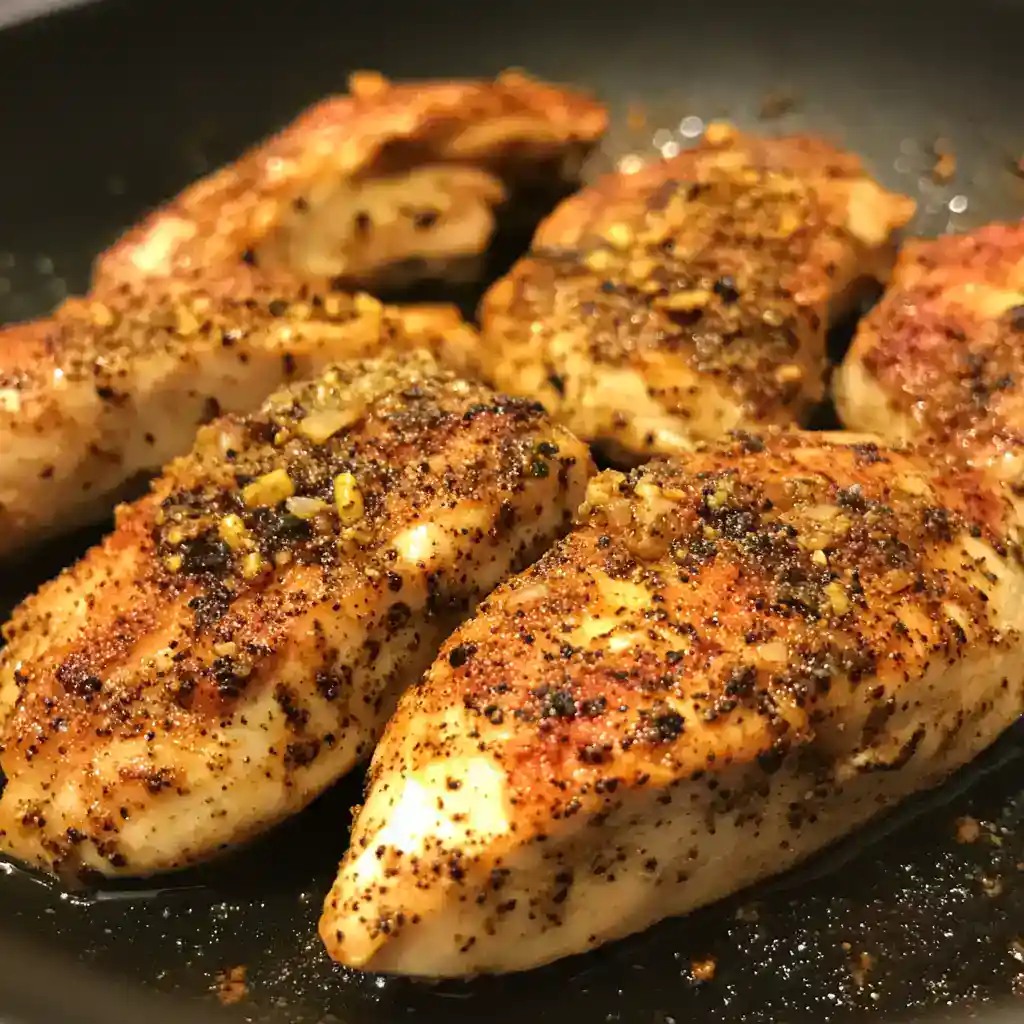
Ingredients
For the Chicken:
- 4 boneless, skinless chicken breasts (about 6–8 oz each, roughly 1 inch thick)
- 2 tablespoons olive oil (helps spices adhere and prevents sticking)
For the Cajun Spice Blend:
- 2 tablespoons Cajun seasoning (Tony Chachere’s or your favorite brand)
- 1 teaspoon paprika (smoked paprika adds extra depth)
- 1/2 teaspoon garlic powder (fresh and aromatic)
- 1/2 teaspoon onion powder
- 1/4 teaspoon cayenne pepper (adjust for heat preference)
- Salt and pepper to taste (about 1/2 tsp salt, 1/4 tsp black pepper)
Instructions
- Preheat your oven to 375°F and let it heat fully for about 10 minutes. This ensures even cooking.
- In a small bowl, mix together the Cajun seasoning, paprika, garlic powder, onion powder, cayenne pepper, salt, and black pepper until evenly combined. This is your spice blend.
- Pat the chicken breasts completely dry with paper towels—moisture prevents good searing. If your breasts are thicker than 1 inch, pound them to even thickness.
- Rub each chicken breast with olive oil on both sides, using about 2 tablespoons total. Make sure they’re well coated—the oil helps spices stick and prevents sticking to the pan.
- Generously coat each chicken breast with the Cajun spice mixture on both sides, pressing the spices into the meat so they adhere well. You want a visible crust of spices—don’t be shy.
- Heat an oven-safe skillet (cast iron works great) over medium-high heat for 2-3 minutes until very hot. If you don’t have an oven-safe skillet, you can transfer to a baking dish after searing.
- Add the seasoned chicken breasts to the hot skillet. Sear for 2-3 minutes per side without moving them. You want a dark, crusty exterior—some spices will blacken, creating flavor.
- Transfer the skillet (or move chicken to a baking dish) directly to the preheated oven. Bake for 20-25 minutes until the internal temperature reaches 165°F when measured with a meat thermometer in the thickest part.
- Remove from the oven and let the chicken rest on the cutting board for 5 minutes. This allows juices to redistribute so the chicken stays moist when sliced.
- Slice and serve hot with your favorite sides. This chicken is bold enough to be the star of the meal!
Nutrition Information (Per Serving):
- Calories: 245
- Carbohydrates: 3g
- Protein: 38g
- Fat: 9g
- Fiber: 1g
- Sodium: 680mg
- Iron: 1.8mg (10% DV)
- Vitamin A: 850 IU (17% DV)
This spicy Cajun chicken provides excellent lean protein, is naturally low-carb, and delivers bold flavor without excessive calories—perfect for healthy eating that doesn’t taste like diet food.
Notes:
- Use a meat thermometer. It’s the only reliable way to know chicken is perfectly done at 165°F without overcooking.
- Every chicken breast cooks differently depending on thickness. Start checking at 20 minutes but be prepared to go longer for thicker pieces.
- Don’t skip the resting time. Those 5 minutes make the difference between juicy and dry chicken.
- Adjust heat to your preference. Start with 1/4 teaspoon cayenne and increase to 1/2 or 3/4 teaspoon if you want serious heat.
- The spices will blacken slightly during searing—that’s good! It’s called a “Cajun crust” and adds incredible flavor.
Storage Tips:
Store leftover Cajun chicken in an airtight container in the fridge for up to 4 days. The spices intensify as it sits, so it’s even more flavorful the next day. Reheat gently in a 350°F oven for 10 minutes or in the microwave, though the crust won’t be as crispy. You can freeze cooked chicken for up to 3 months—wrap tightly in plastic wrap then foil. Thaw in the fridge overnight and reheat before serving. This chicken is also delicious cold, sliced in salads or sandwiches.
Serving Suggestions:
- Classic Louisiana Plate: Serve with dirty rice, red beans, and cornbread
- Light Dinner: Pair with a simple green salad and roasted vegetables
- Cajun Bowl: Slice over rice with black beans, corn, avocado, and ranch dressing
- Sandwich: Serve on toasted buns with coleslaw and remoulade sauce
Mix It Up (Recipe Variations):
Cajun Chicken Pasta: Slice the cooked chicken and toss with fettuccine in a creamy Cajun sauce made with heavy cream, Parmesan, and extra Cajun seasoning.
Cajun Chicken and Rice: Serve over authentic dirty rice or red beans and rice for a traditional Louisiana meal that’s hearty and satisfying.
Cajun Chicken Sandwiches: Slice and serve on toasted buns with coleslaw, tomato, and homemade remoulade (mayo + Cajun seasoning + pickle juice).
Cajun Chicken Salad: Let cool and slice over mixed greens with corn, black beans, bell peppers, avocado, and ranch or blue cheese dressing.
What Makes This Recipe Special:
This spicy Cajun chicken honors the bold, flavorful cooking traditions of Louisiana’s Acadian people who created Cajun cuisine from humble ingredients and abundant spices. The technique of heavily seasoning meat and creating a dark, flavorful crust through high-heat searing captures the essence of Cajun cooking—maximizing flavor through proper seasoning and technique rather than expensive ingredients. By balancing multiple spices for complexity instead of relying solely on heat, you get the authentic taste of Louisiana that’s been passed down for generations—proving that restaurant-quality Cajun food doesn’t require specialty ingredients or complicated techniques, just good spices and confidence.
