
Ever wonder why restaurant scallops are so buttery and tender while homemade ones turn into rubber erasers? I used to think cooking scallops at home was impossible until I discovered this foolproof summer slow-cooked scallops recipe. Now my family thinks I’m some kind of seafood chef, and my dinner guests always ask how I get them so perfectly tender (if only they knew I used to pan-sear scallops into hockey pucks before figuring out this gentle slow-cooker method).
Here’s the Thing About This Recipe
What makes these summer slow-cooked scallops work is the genius of low, gentle heat that keeps them incredibly tender instead of turning them tough and rubbery. The secret to authentic seafood success isn’t high-heat searing or complicated techniques—it’s all about that slow, careful cooking with bright lemon and garlic that lets the natural sweetness of scallops shine through. I learned the hard way that overcooking scallops by even a few minutes ruins them completely. Here’s what I’ve learned: the slow cooker takes away all that guesswork and gives you perfectly tender scallops every single time. It’s honestly that simple, and no fancy tricks needed to make these taste like they came from an expensive coastal restaurant.
What You’ll Need (And My Shopping Tips)
Good fresh scallops are worth seeking out at a reputable fish counter—look for “dry” scallops that haven’t been treated with preservatives, which add water weight and prevent proper browning. Don’t cheap out on those small bay scallops; you want larger sea scallops that are about 1-2 inches across. I always grab an extra half pound because someone inevitably wants more, and these summer slow-cooked scallops are the star of any meal (happens more than I’d like to admit that I underestimate how popular they’ll be).
Fresh scallops should smell like clean ocean water, not fishy at all. If they smell strongly fishy, walk away—they’re not fresh. For the lemon, pick one that feels heavy for its size, which means it’s juicy. The garlic should be firm with no green sprouts poking through. I learned this after buying sad, old garlic three times that tasted bitter instead of sweet and mellow.
Good olive oil makes a difference here since there are so few ingredients—use something you’d actually want to dip bread in. Fresh parsley for garnish isn’t optional; it adds that bright pop of color and freshness that makes these feel summery and special. Dried thyme brings an herbal note that complements seafood beautifully without overpowering the delicate scallop flavor.
Let’s Make This Together
Start by rinsing those scallops under cold water and patting them completely dry with paper towels. Here’s where I used to mess up: leaving moisture on scallops prevents them from cooking properly and dilutes your sauce. Get them as dry as you possibly can—this is critical for success.
In a bowl, whisk together your lemon juice, minced garlic, olive oil, dried thyme, salt, and pepper until everything’s well combined. Taste this mixture—it should be bright and lemony with a good garlic punch. Now for the fun part: place your dry scallops in the slow cooker in a single layer if possible, though some overlap is fine if your slow cooker is smaller.
Pour that lemon-garlic mixture over the scallops, making sure each one gets coated. Give the slow cooker a gentle shake to distribute everything evenly. Here’s my secret: resist the urge to stir them around too much or they’ll start breaking apart. Around here, we’ve figured out that gentle handling keeps scallops intact and beautiful. Cover your slow cooker and set it to low.
Cook these for 1-2 hours, checking at the 1-hour mark. The scallops are done when they’re opaque all the way through and feel firm but not hard when you gently press them. I learned this trick from my neighbor who grew up on the coast—scallops should still have a slight give to them, not be rock hard. The timing depends on the size of your scallops and your specific slow cooker, so every machine runs differently.
Once they’re perfect, carefully transfer these tender scallops to your prettiest serving dish and spoon those garlicky cooking juices over the top. Garnish generously with fresh chopped parsley right before serving. If you’re making these as part of a summer feast, check out this Lemon Herb Rice Pilaf that pairs beautifully with seafood.
If This Happens, Don’t Panic
Scallops turned out rubbery and tough? You probably cooked them too long or your slow cooker runs hot. In reality, I’ve learned to check at 45 minutes if using smaller scallops, and always err on the side of underdone—you can always cook them longer but you can’t undo overcooked seafood. If this happens (and it might until you get to know your slow cooker), just remember the timing for next time.
Scallops released tons of liquid and the sauce is watery? This is totally fixable—your scallops might have been “wet” treated with preservatives, or you didn’t dry them well enough. I always check for dry scallops now because the wet ones release so much water. You can strain the cooking liquid into a small saucepan and reduce it over high heat for 2-3 minutes to concentrate the flavors.
Everything tastes bland despite the lemon and garlic? Don’t panic, just add more lemon juice and a pinch of salt after cooking. Every lemon has different acidity levels, so trust your taste buds. If your summer slow-cooked scallops need more punch, a tiny pinch of red pepper flakes can wake everything up without making it spicy.
Ways to Mix It Up
When I’m feeling fancy, I’ll make Butter-Poached Scallops by adding 2 tablespoons of butter to the lemon mixture for extra richness that’s absolutely incredible. Around special occasions, I’ll switch it up with White Wine Scallops by replacing half the lemon juice with dry white wine for a more sophisticated flavor profile.
For a Mediterranean Version, add halved cherry tomatoes and sliced kalamata olives in the last 30 minutes of cooking—my guests go crazy for this variation. If you want a Spicy Summer Scallops option, add a pinch of red pepper flakes and some thinly sliced fresh chili to the lemon mixture for heat that complements the sweet scallops perfectly.
What Makes This Recipe Special
These summer slow-cooked scallops work because they respect the delicate nature of seafood by using gentle heat that keeps them tender instead of turning them rubbery like high-heat methods often do. The technique of slow-cooking seafood might seem unconventional, but it’s actually borrowed from French cooking traditions where gentle poaching creates the most tender results. What sets this apart from other scallop recipes is the slow cooker doing all the work while infusing every bite with bright lemon and aromatic garlic. According to scallop preparation methods, these mollusks are incredibly delicate and benefit from careful cooking that doesn’t toughen their naturally sweet, tender meat.
Things People Ask Me About This Recipe
Can I make these summer slow-cooked scallops ahead of time?
Scallops are really best served immediately after cooking for optimal texture. You can prep the lemon-garlic mixture ahead and keep the scallops refrigerated separately, then cook them right before serving. They only take 1-2 hours, so they’re perfect for timing with dinner.
What if I can’t find dry scallops?
If you can only find wet scallops (ones treated with preservatives), soak them in milk for 20 minutes before patting very dry. This helps remove some of the chemical taste and excess moisture, though dry scallops are always better if you can find them.
Can I cook these on high instead of low?
I don’t recommend it—scallops cook so quickly that high heat will overcook them before you know it. The low setting gives you more control and keeps them tender. If you’re in a rush, check them after 30 minutes on low.
Are these summer slow-cooked scallops beginner-friendly?
Absolutely! If you can dry scallops and mix a simple sauce, you’ve got this. The slow cooker does all the hard work, and the timing is forgiving compared to pan-searing where seconds matter.
How do I know when scallops are perfectly done?
They should be opaque all the way through (no translucent center) and firm but still slightly springy when gently pressed. They’ll continue cooking a tiny bit after you remove them, so err on the side of just done rather than overdone.
What should I serve with these scallops?
Light sides work best—rice pilaf, roasted asparagus, a simple green salad, or crusty bread to soak up that delicious lemon-garlic sauce. Keep sides simple so the scallops remain the star.
Before You Head to the Kitchen
I couldn’t resist sharing these summer slow-cooked scallops because they’ve completely changed how I think about cooking seafood at home. The best summer dinner nights are when everyone’s savoring these tender, buttery scallops and you’re actually relaxing instead of stressing over perfect timing. Trust me on this one—master these gentle, flavorful summer slow-cooked scallops, and you’ll never be intimidated by cooking seafood again.
Print
Summer Slow-Cooked Scallops
Description
Tender scallops infused with bright lemon and garlic create these melt-in-your-mouth summer slow-cooked scallops that taste like they came from a coastal restaurant.
Prep Time: 10 minutes | Cook Time: 1-2 hours | Total Time: 1 hour 10 minutes – 2 hours 10 minutes | Servings: 4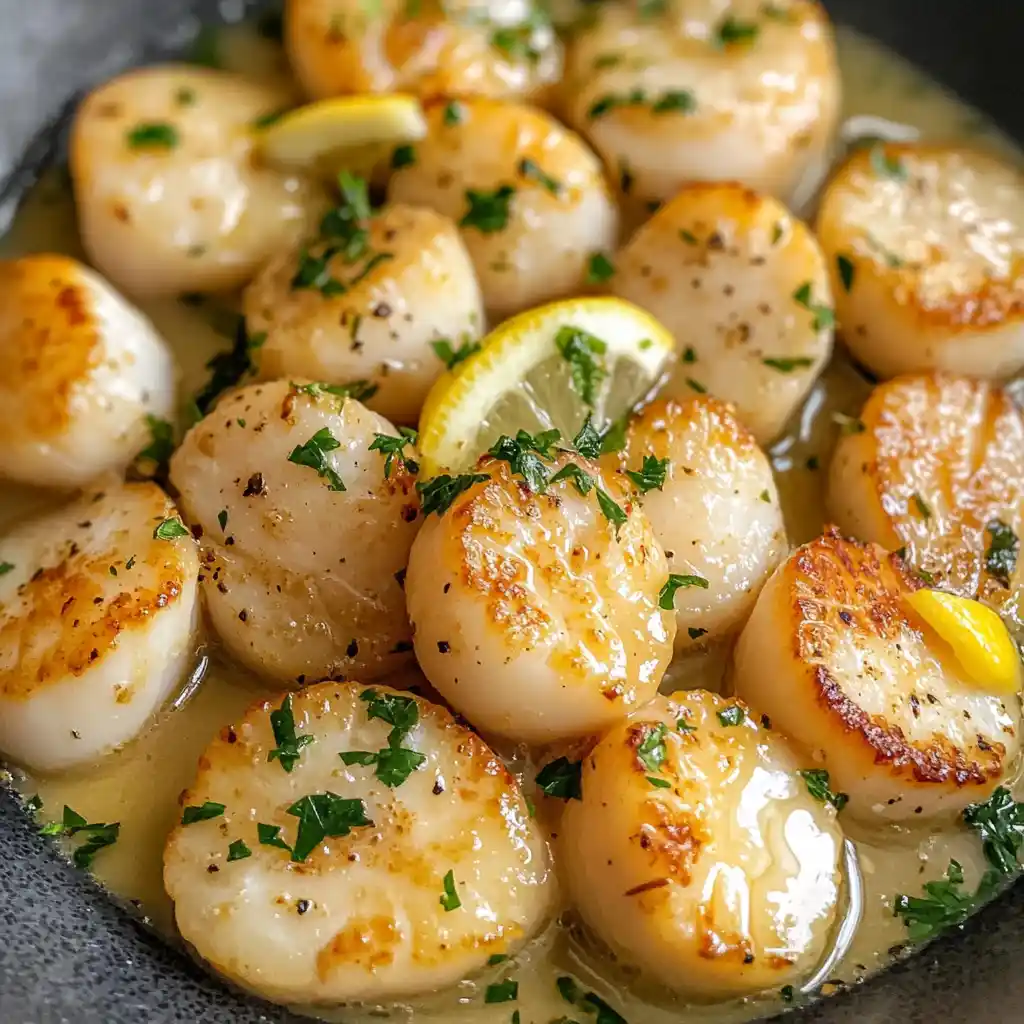
Ingredients
- 1 lb scallops (look for dry sea scallops, about 12–16 pieces)
- 1 lemon, juiced (should yield about 3 tablespoons juice)
- 2 cloves garlic, minced (don’t use jarred—fresh makes all the difference)
- 2 tbsp olive oil (use good quality since there are so few ingredients)
- 1 tsp dried thyme (or 1 tablespoon fresh thyme leaves)
- Salt and pepper to taste (start with 1/2 tsp salt, 1/4 tsp pepper)
- Fresh parsley, chopped for garnish (about 2 tablespoons)
Instructions
- Rinse your scallops under cold water and pat them completely dry with paper towels—seriously, get them as dry as possible. This is critical for proper cooking and preventing watery sauce.
- In a medium bowl, whisk together that lemon juice, minced garlic, olive oil, dried thyme, salt, and pepper until everything’s well combined and emulsified.
- Place your dried scallops in the slow cooker in a single layer if possible, though some overlap is fine if your slow cooker is on the smaller side.
- Pour the lemon-garlic mixture over the scallops, making sure each one gets coated with the sauce. Give the slow cooker a gentle shake to distribute everything evenly—don’t stir too much or they’ll break apart.
- Cover the slow cooker and set it to low. Cook for 1-2 hours, checking at the 1-hour mark. Scallops are done when they’re opaque all the way through and firm but still slightly springy.
- Once perfectly cooked, carefully transfer these tender scallops to your prettiest serving dish using a slotted spoon. Spoon those garlicky cooking juices over the top.
- Garnish generously with fresh chopped parsley right before serving—this adds that bright pop of color and freshness that makes these feel special and summery.
Nutrition Information (Per Serving):
- Calories: 165
- Carbohydrates: 4g
- Protein: 19g
- Fat: 8g
- Fiber: 0g
- Sodium: 420mg
- Vitamin B12: 18% DV
- Selenium: 35% DV
- Omega-3 fatty acids: 300mg
These summer slow-cooked scallops provide excellent lean protein and are rich in vitamin B12 and selenium, making them both delicious and nutritious.
Notes:
- Seriously, dry those scallops completely—moisture prevents proper cooking and dilutes the sauce
- Every slow cooker runs differently, so check at 1 hour and adjust timing accordingly
- Dry scallops (not treated with preservatives) are always better than wet ones for flavor and texture
- Don’t overcook—scallops go from perfect to rubbery in just 15-20 minutes, so watch closely
Storage Tips:
These are best enjoyed immediately after cooking for optimal texture. If you have leftovers, store them in an airtight container in the fridge for up to 1 day, but know that reheated scallops won’t have the same tender texture. Reheat very gently in the microwave at 50% power for 20-30 seconds maximum. Don’t freeze cooked scallops—they become rubbery and lose their delicate texture completely.
Serving Suggestions:
- Elegant Dinner: Serve over creamy risotto or lemon herb rice with roasted asparagus for a restaurant-quality meal
- Light Summer Plate: Pair with a crisp green salad and crusty bread to soak up the delicious lemon-garlic sauce
- Pasta Night: Toss with angel hair pasta and a bit of pasta water to create a simple, elegant scallop pasta
- Tapas Style: Serve as an appetizer with toothpicks and the cooking juices in small bowls for dipping
Mix It Up (Recipe Variations):
Butter-Poached Scallops: Add 2 tablespoons of butter to the lemon mixture for extra richness that makes these taste incredibly luxurious and restaurant-worthy.
White Wine Scallops: Replace half the lemon juice with dry white wine (like Sauvignon Blanc) for a more sophisticated, complex flavor profile.
Mediterranean Version: Add halved cherry tomatoes and sliced kalamata olives during the last 30 minutes of cooking for bright, briny flavors.
Spicy Summer Scallops: Add a pinch of red pepper flakes and thinly sliced fresh chili to the lemon mixture for heat that complements the sweet scallops beautifully.
What Makes This Recipe Special:
These summer slow-cooked scallops prove that gentle, careful cooking creates the most tender seafood results. While most scallop recipes rely on high-heat searing that requires perfect timing and technique, this slow-cooker method removes all the stress and guesswork. The low, steady heat keeps these naturally sweet mollusks incredibly tender while the bright lemon and aromatic garlic infuse every bite with summer flavors. This technique respects the delicate nature of scallops instead of forcing them to withstand aggressive heat that so often turns them rubbery.
