
Ever wonder why some ancient grain recipes feel intimidating, like they belong in some fancy restaurant kitchen rather than your home? I used to think Turkish artichoke amaranth was way beyond my cooking skills until I discovered this foolproof recipe. Now my family requests this Mediterranean comfort dish at least twice a month, and honestly, I’m pretty sure my mother-in-law thinks I’ve been secretly taking cooking classes (if only she knew how many times I overcooked those artichokes before figuring this out).
Here’s the Thing About This Recipe
The secret to authentic Turkish artichoke amaranth is understanding that this isn’t some complicated fine-dining creation—it’s traditional Turkish home cooking at its best. Amaranth has been nourishing people for thousands of years, and the Turks know exactly how to make it shine. What makes this work is the way the nutty amaranth soaks up all those lemony, garlicky flavors while the artichokes get tender and buttery. I learned the hard way that you can’t rush the amaranth—it needs that full 20 minutes of gentle simmering to develop its signature fluffy texture. It’s honestly that simple once you stop overthinking it.
What You’ll Need (And My Shopping Tips)
Good artichokes are worth hunting down at your local market—look for ones that feel heavy and have tight leaves. Don’t cheap out on the olive oil here; Turkish cooking relies on quality oil to carry all those flavors (I learned this after making a bland batch with grocery store bargain oil). For the amaranth grain, check the bulk bins at health food stores or the international aisle—it’s that tiny, sand-colored grain that looks almost like quinoa’s smaller cousin. I always grab an extra lemon because someone inevitably wants more brightness at the table. Fresh parsley makes a huge difference in the final presentation, so skip the dried stuff if you can. The vegetable broth doesn’t need to be fancy, but homemade definitely takes this up a notch if you’ve got it sitting around.
Let’s Make This Together
Start by cranking your heat to medium and warming that olive oil in your largest pot. Here’s where I used to mess up—I’d rush the onions and garlic, but they really need those 4-5 minutes to get properly soft and fragrant. Toss in the amaranth and let it toast for about 2 minutes, stirring constantly so it doesn’t burn (don’t be me—I’ve scorched this more than once while answering a phone call). Pour in your vegetable broth and bring everything to a gentle simmer, then cover it up and resist the urge to peek for the full 20 minutes.
While that’s bubbling away, get your artichokes going in a separate pot. Cover them with water, squeeze in that lemon juice, add a good pinch of salt, and bring it all to a boil. Now for the fun part—once it’s boiling, drop the heat and let them simmer until you can easily pierce the base with a fork, usually about 20-25 minutes depending on size. Here’s my secret: I always test one early because nobody wants crunchy artichokes.
When your amaranth is done (it should look fluffy and have absorbed most of the liquid), stir in those diced tomatoes and season generously with salt and pepper. This is totally a taste-as-you-go situation. If you’re craving more recipes featuring tender vegetables and grains, check out this Mediterranean Stuffed Bell Peppers recipe that uses similar techniques.
When Things Go Sideways (And They Will)
Amaranth turned into mush? You probably added too much liquid or cooked it too long—in reality, I’ve learned to check it at 18 minutes and add more broth only if it’s still crunchy. Artichokes came out tough and chewy? Don’t panic, just pop them back in the water for another 10 minutes. If this happens (and it will), remember that every artichoke is different. Dish tastes bland? Hit it with more lemon juice, salt, and a drizzle of your best olive oil—Turkish artichoke amaranth should be bright and flavorful. I always taste before serving now because under-seasoning is my nemesis. Amaranth sticking to the bottom of the pot? This means your heat’s too high—drop it to low and add a splash more broth next time.
When I’m Feeling Creative
Spicy Turkish Artichoke Amaranth: When I want some heat, I’ll add a teaspoon of Aleppo pepper or crushed red pepper flakes when toasting the amaranth. Around the holidays, I’ll sometimes skip the heat and go fancy instead.
Herbed Mediterranean Version: Toss in some fresh dill and mint along with the parsley for a more herbaceous finish—honestly takes about 30 seconds of extra chopping but completely transforms the flavor profile.
Protein-Packed Artichoke Amaranth: I’ll sometimes add chickpeas or white beans in the last 5 minutes of cooking the amaranth when I want something more substantial.
Vegan Turkish Bowl: This is already naturally vegan, but I’ll bulk it up with roasted red peppers, toasted pine nuts, and a tahini drizzle for a complete meal situation.
What Makes This Recipe Special
This Turkish artichoke amaranth recipe represents the beautiful simplicity of Anatolian cuisine—where humble ingredients transform into something incredibly satisfying through proper technique and timing. Turkish cooks have been pairing artichokes with grains for centuries, especially in coastal regions where fresh artichokes grow abundantly. What sets this apart from other grain bowls is the traditional Turkish approach of cooking everything separately so each component keeps its distinct texture and flavor, then bringing it all together at the end. I discovered this technique from a Turkish cookbook, and it’s honestly changed how I think about building layered flavors.
Things People Ask Me About This Recipe
Can I make this Turkish artichoke amaranth ahead of time?
Absolutely! The amaranth mixture actually tastes even better the next day after all those flavors have had time to mingle. I’ll cook both components, store them separately in the fridge, then gently reheat and assemble when I’m ready to serve. The artichokes can get a bit discolored, but a fresh squeeze of lemon juice perks them right up.
What if I can’t find fresh artichokes for this authentic recipe?
Don’t stress about this part—frozen or canned artichoke hearts work in a pinch. If you’re using canned, just drain and rinse them well, then warm them in a pan with some olive oil and lemon juice. I’ve done this on busy weeknights and nobody’s complained yet.
Is this Turkish artichoke amaranth beginner-friendly?
Totally! The most “complicated” part is trimming fresh artichokes, and honestly, you can find tons of videos showing exactly how to do it. Everything else is basic sautéing and simmering—if you can make rice, you can handle this.
Can I substitute the amaranth with another grain?
Sure, but the texture will be different. Quinoa works pretty well and cooks faster (about 15 minutes), or you could try bulgur for a more traditional Turkish feel. Just adjust your liquid and cooking times accordingly.
How do I store leftover artichoke amaranth?
Keep the components separate if possible—the amaranth mixture lasts 4-5 days in an airtight container in the fridge, and the artichokes about 3 days. Don’t freeze the cooked artichokes (they get weird and mushy), but the amaranth mixture freezes beautifully for up to 3 months.
What’s the best way to reheat this dish?
I add a splash of vegetable broth to the amaranth and warm it gently on the stove, stirring occasionally. Microwaving works too, but add a bit of liquid and cover it to keep things from drying out. The artichokes are actually great at room temperature, so sometimes I don’t even bother reheating those.
Before You Head to the Kitchen
I couldn’t resist sharing this Turkish artichoke amaranth because it’s one of those recipes that looks impressive but is secretly super forgiving. The best nights are when I serve this to friends who’ve never tried amaranth before and watch their faces light up—it’s that satisfying. Trust me on this one, and don’t let the artichokes intimidate you.
Print
Turkish Artichoke Amaranth
Description
This Mediterranean comfort dish brings together nutty amaranth and tender artichokes in a lemon-kissed, garlicky embrace that’ll make you feel like you’re dining in a cozy Turkish kitchen.
Prep Time: 15 minutes | Cook Time: 25 minutes | Total Time: 40 minutes | Servings: 4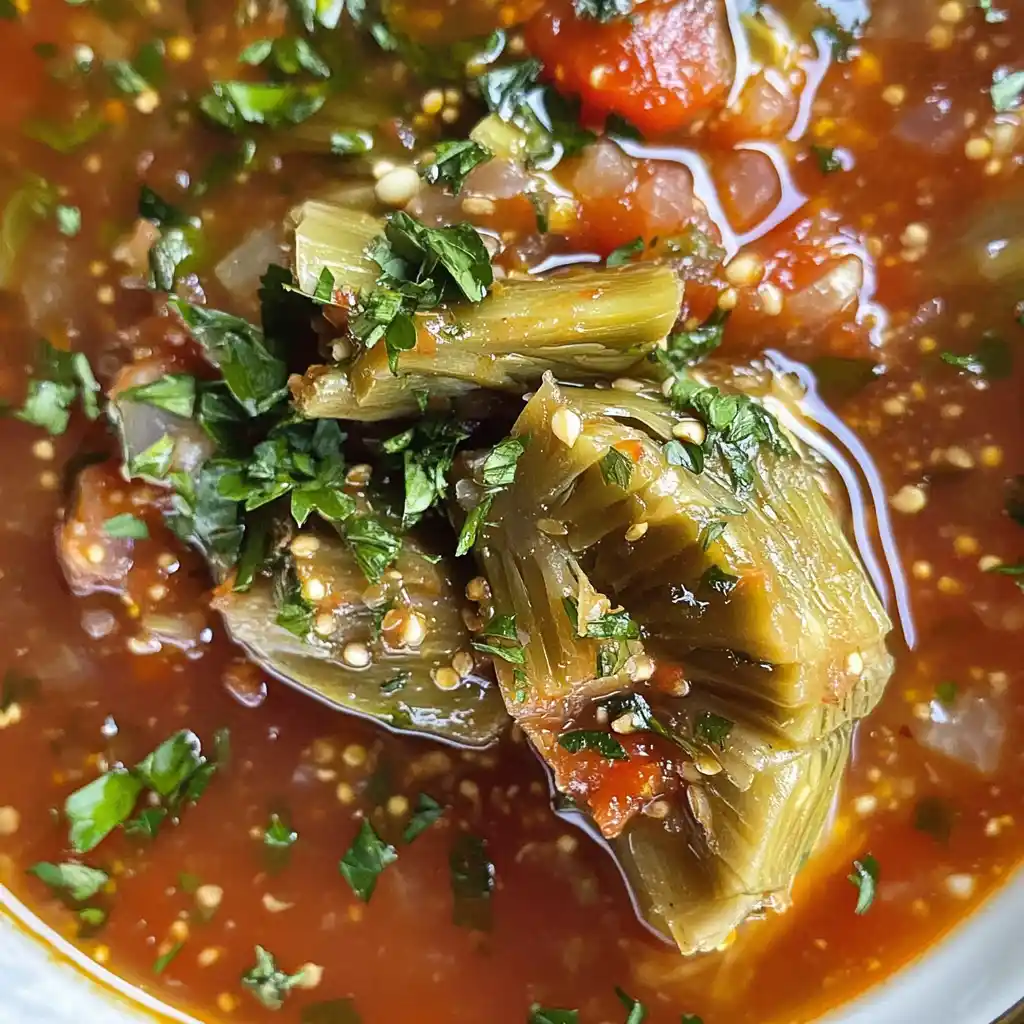
Ingredients
- 4 medium artichokes, trimmed and cleaned (grab ones that feel heavy for their size)
- 1 cup amaranth (that tiny, protein-packed ancient grain)
- 1 medium onion, diced
- 2 cloves garlic, minced (or 3 if you’re a garlic lover like me)
- 1 medium tomato, diced
- 1/2 cup vegetable broth (plus extra for adjustments)
- 1/4 cup olive oil (use the good stuff)
- 1 lemon, juiced (about 3 tablespoons)
- Salt and pepper to taste
- Fresh parsley, chopped for garnish (don’t skip this!
Instructions
- Heat that olive oil in a large pot over medium heat until it’s shimmering. Add your diced onion and minced garlic, stirring occasionally until they’re soft and fragrant, about 4-5 minutes (your kitchen should smell amazing right about now).
- Toss in the amaranth and stir constantly for about 2 minutes to toast it—you’ll notice it smells nutty and starts popping slightly.
- Pour in the vegetable broth and give everything a good stir. Bring it to a gentle simmer, then slap a lid on that pot and let it cook for about 20 minutes until the amaranth is fluffy and tender (resist peeking!).
- While your amaranth is doing its thing, grab a separate pot and place those cleaned artichokes inside. Cover them completely with water, squeeze in all that lemon juice, and add a generous pinch of salt. Bring everything to a boil, then reduce the heat and let them simmer until you can easily pierce the base with a fork, usually 20-25 minutes.
- Once your amaranth has absorbed most of the liquid and looks properly fluffy, stir in those diced tomatoes. Season generously with salt and pepper—taste as you go until it makes you happy.
- Time to plate this beauty! Scoop a generous portion of the amaranth mixture onto each plate, nestle a cooked artichoke on top, and shower everything with fresh chopped parsley.
- Finish with a drizzle of your best olive oil and serve while everything’s still warm. Dig in and enjoy!
Nutrition Information (Per Serving)
- Calories: 285
- Carbohydrates: 35g
- Protein: 9g
- Fat: 14g
- Fiber: 12g
- Sodium: 245mg
- Vitamin C: 35% DV
- Iron: 25% DV
- Magnesium: 30% DV
Amaranth is seriously impressive nutritionally—it’s a complete protein with all nine essential amino acids, plus it’s loaded with calcium and iron.
Notes
- Seriously, use quality olive oil here—it makes a huge difference in the final flavor.
- Every oven and stovetop runs differently, so trust your eyes and your fork when checking if those artichokes are done.
- If your amaranth looks too dry during cooking, add vegetable broth a tablespoon at a time.
- Fresh artichokes can be intimidating, but just trim the tough outer leaves and cut off the top quarter—there are tons of videos showing exactly how to do it.
Storage Tips
Keep the amaranth mixture and artichokes separate in airtight containers in the fridge—the amaranth lasts 4-5 days, artichokes about 3 days. Don’t freeze the cooked artichokes (they get mushy and weird), but the amaranth mixture freezes beautifully for up to 3 months. Microwaving turns the amaranth gummy, so reheat gently on the stovetop with a splash of broth instead.
Serving Suggestions
- Traditional Turkish Style: Serve alongside thick Greek yogurt and warm pita bread for a complete Mediterranean meal
- Light Lunch Bowl: Top with crumbled feta, Kalamata olives, and cucumber for a refreshing grain bowl
- Dinner Party Side: Pair with grilled fish or roasted chicken for an impressive but easy side dish
- Mezze Spread: Include as part of a larger Turkish mezze platter with hummus, baba ganoush, and stuffed grape leaves
Mix It Up (Recipe Variations)
Spicy Aleppo Artichoke Amaranth: Add 1 teaspoon Aleppo pepper when toasting the amaranth for a gentle, fruity heat that’s totally authentic to Turkish cooking.
Herbed Mediterranean Version: Stir in 2 tablespoons each of fresh dill and mint along with the parsley for a more herbaceous, garden-fresh finish.
Protein-Packed Bowl: Add 1 cup cooked chickpeas or white beans during the last 5 minutes of cooking the amaranth for extra staying power.
Vegan Feast Version: Top with roasted red peppers, toasted pine nuts, and a tahini-lemon drizzle to make this a complete, satisfying meal.
What Makes This Recipe Special
This recipe honors the traditional Turkish technique of cooking components separately to preserve their individual textures and flavors before bringing everything together. The gentle simmering of amaranth allows it to develop its characteristic nutty, fluffy texture without turning mushy, while the artichokes stay tender and buttery. It’s a perfect example of how Mediterranean cooking achieves maximum flavor from minimal ingredients through proper timing and technique.
