
Ever wonder why some grain dishes taste boring and bland while others are packed with flavor and actually keep you satisfied? I used to think millet was just bird food until I discovered this foolproof Turkish mushrooms millet recipe. Now I make this for weeknight dinners at least twice a month and my family devours it every time, and honestly, I’m pretty sure my sister thinks I’ve been secretly learning Turkish cooking (if only she knew this is just toasting grains and sautéing mushrooms with the right spices).
Here’s the Thing About This Recipe
The secret to authentic Turkish mushrooms millet is understanding that you need to toast the millet before adding liquid—this develops a nutty, complex flavor that raw millet just doesn’t have. What makes this work is the way earthy mushrooms combine with warm Turkish spices like cumin and paprika to create layers of savory flavor. I learned the hard way that you can’t skip cooking the mushrooms long enough to release and evaporate their liquid; watery mushrooms make the whole dish soggy and dilute the flavors. The technique of sautéing aromatics first, then mushrooms, then toasting the grain creates depth that you can’t achieve by dumping everything in at once. It’s honestly that simple once you stop rushing through the steps.
What You’ll Need (And My Shopping Tips)
Good millet is worth buying from the bulk bins at health food stores where turnover is high—look for grains that are pale yellow and smell fresh, not musty. Don’t cheap out on the mushrooms here; cremini or baby bella mushrooms have way more flavor than basic white button mushrooms (I learned this after making a batch that tasted flat). For the vegetable broth, homemade tastes incredible but quality store-bought works perfectly fine—just avoid the super salty varieties. Fresh garlic and a good yellow onion are non-negotiable for building that flavor base. The cumin and paprika should be fresh and aromatic, not those jars from five years ago that smell like cardboard. I always grab extra mushrooms because my family likes a higher mushroom-to-grain ratio. Fresh parsley makes all the difference for that bright, fresh finish—skip the dried stuff if you can.
Let’s Make This Together
Start by cranking your heat to medium and warming that olive oil in your largest saucepan. Here’s where I used to mess up—I’d add the onions to cold oil, but you really want the oil shimmering before adding anything. Toss in your diced onions and minced garlic, stirring occasionally until the onions turn translucent and smell amazing, about 4-5 minutes.
Now for the mushroom magic: add your sliced mushrooms to the pan and let them cook undisturbed for a couple minutes. Here’s my secret: resist the urge to stir constantly—letting them sit allows them to develop those gorgeous brown, caramelized spots. Cook until they’ve released all their liquid and it’s mostly evaporated, about 7-8 minutes total.
Stir in your millet and toast it for 2-3 minutes, stirring frequently so it doesn’t burn. You’ll smell it getting nutty and see it turning slightly golden—that’s exactly what you want. Add your cumin, paprika, salt, and pepper, stirring everything together so those spices coat every grain.
Pour in the vegetable broth and bring everything to a rolling boil, then immediately reduce the heat to low, slap a lid on that pot, and let it simmer for 20-25 minutes. Don’t peek! Lifting the lid releases steam and messes with the cooking. When the time’s up, check that the liquid is absorbed and the millet is tender. Fluff it with a fork, taste, and adjust your seasoning. If you’re craving more Mediterranean grain dishes, check out this Bulgur Pilaf with Vegetables recipe that uses similar techniques.
When Things Go Sideways (And They Will)
Millet came out mushy? You probably added too much liquid or cooked it too long—in reality, I’ve learned to check it at 20 minutes and only add more time if it’s still crunchy. Mushrooms tasting watery and bland? Don’t panic, you didn’t cook them long enough to evaporate their moisture—I always wait until I see actual browning now. If this happens (and it will), remember that mushrooms are mostly water and need time. Turkish mushrooms millet tasting flat? Hit it with more cumin, a squeeze of lemon juice, or a pinch of Aleppo pepper for brightness. I always taste before serving and adjust seasoning generously. Grains sticking to the bottom? Your heat was too high—millet should simmer gently, not boil hard the whole time. Dish too dry? Add a splash of broth or olive oil and fluff it with a fork to redistribute moisture.
When I’m Feeling Creative
Mediterranean Mushrooms Millet: When I want more vegetables, I’ll add diced bell peppers and tomatoes along with the mushrooms. Around the summer months, I’ll sometimes toss in fresh zucchini too.
Spiced Turkish Pilaf: Add a cinnamon stick and a few cardamom pods when you add the broth for a more aromatic, festive version that’s perfect for gatherings.
Protein-Packed Version: Stir in some cooked chickpeas or white beans during the last 5 minutes for extra staying power and a complete meal.
Herbed Millet Bowl: Add fresh dill and mint along with the parsley for a more herbaceous, garden-fresh finish that’s incredibly refreshing.
What Makes This Recipe Special
This Turkish mushrooms millet recipe represents the beautiful simplicity of Anatolian cuisine where humble ingredients like grains and vegetables transform into deeply satisfying dishes through proper technique and spicing. Turkish cooks have been making pilaf-style grain dishes for centuries, traditionally using bulgur or rice, but millet works beautifully with these warm spices. What sets this apart from basic grain bowls is the layering of flavors—toasting the millet, browning the mushrooms, blooming the spices—each step adds complexity. I discovered this technique from a Turkish cookbook, and it’s honestly changed how I think about making grain dishes that feel special rather than like boring health food.
Things People Ask Me About This Recipe
Can I make this Turkish mushrooms millet ahead of time?
Absolutely! This is perfect for meal prep. Cook it completely, let it cool, then store in an airtight container in the fridge for up to 5 days. Reheat gently on the stove with a splash of broth or in the microwave. The flavors actually deepen overnight, making leftovers even better.
What if I can’t find millet for this recipe?
Don’t stress about this part—quinoa, bulgur, or farro work great as substitutes. Just adjust your cooking time and liquid ratio according to the package directions for whichever grain you use. The technique and spicing remain the same.
Is this Turkish mushrooms millet a complete meal or a side dish?
It works both ways! As written, it’s a hearty side dish. To make it a complete meal, add protein like chickpeas, white beans, or serve it alongside grilled vegetables. I often top individual bowls with a fried egg for extra protein.
Can I use different types of mushrooms?
Totally! Shiitake, oyster, or a mix of wild mushrooms all work beautifully. Each brings its own flavor profile—shiitake are more earthy, oyster are more delicate. I love using a mushroom medley when I find them at the farmer’s market.
How do I store leftover mushrooms millet?
Keep it in an airtight container in the fridge for up to 5 days. The millet may absorb more liquid as it sits—just add a splash of broth when reheating to loosen it up. Don’t freeze cooked millet; the texture gets mushy when thawed.
Is this recipe naturally vegan?
Yes! As long as you use vegetable broth, this is completely vegan and plant-based. It’s packed with protein from the millet and fiber from the mushrooms, making it surprisingly filling.
Before You Head to the Kitchen
I couldn’t resist sharing this Turkish mushrooms millet because it’s one of those recipes that proves grain bowls don’t have to be boring or tasteless. The best weeknight moments are when I serve this alongside a simple salad and everyone’s satisfied without me spending hours cooking. Trust me on this one, and don’t skip toasting that millet.
Print
Turkish Mushrooms Millet
Description
This savory Turkish-inspired grain dish combines nutty millet with earthy mushrooms and warm spices for a satisfying meal that’s perfect for weeknight dinners or meal prep.
Prep Time: 10 minutes | Cook Time: 30 minutes | Total Time: 40 minutes | Servings: 4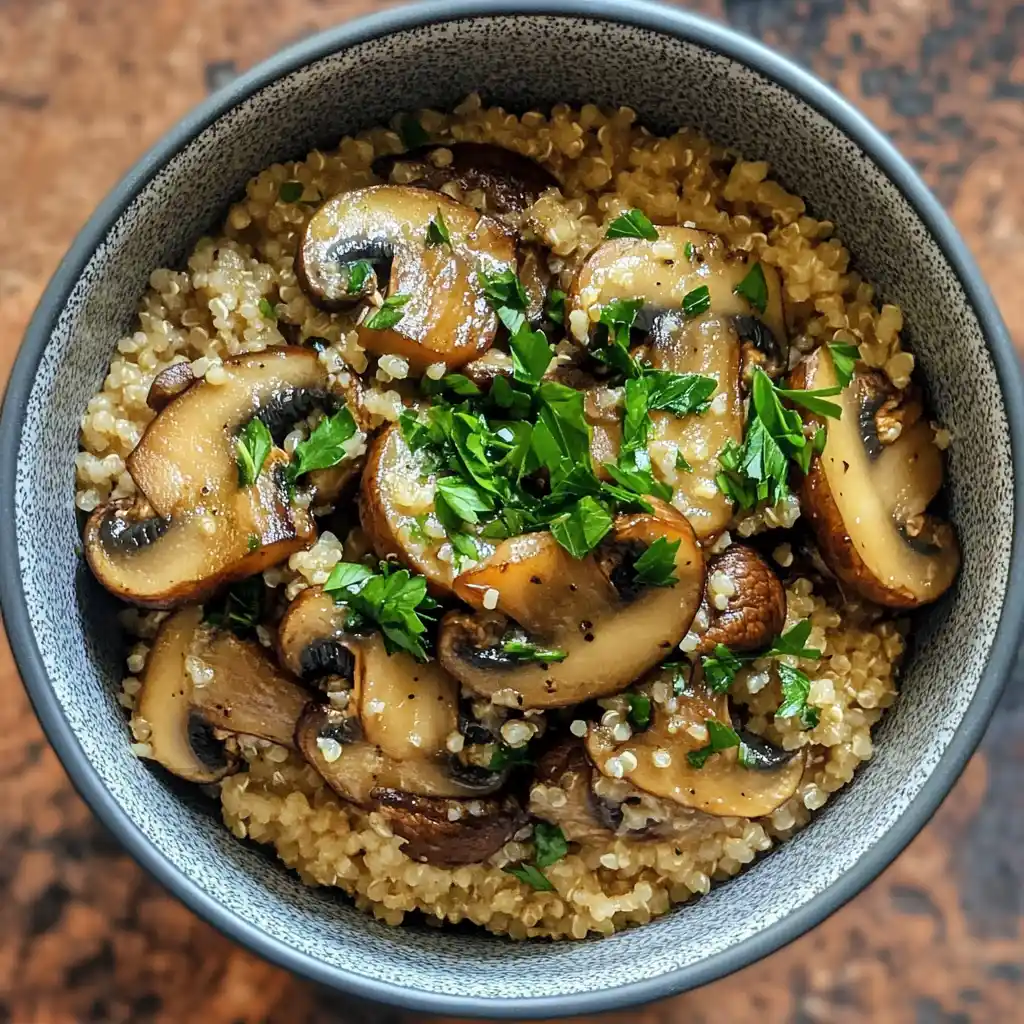
Ingredients
- 1 cup millet (rinsed and drained)
- 2 cups vegetable broth (plus extra for adjustments)
- 8 oz mushrooms, sliced (cremini or baby bella work best)
- 1 medium onion, diced
- 2 cloves garlic, minced (or 3 if you love garlic like me)
- 1 tsp ground cumin
- 1 tsp paprika (sweet or smoked—both work)
- Salt and pepper to taste
- 2 tbsp olive oil (use the good stuff)
- Fresh parsley, chopped for garnish (don’t skip this!)
Instructions
- Heat the olive oil in a large saucepan over medium heat until it’s shimmering. Add your diced onion and minced garlic, stirring occasionally until the onions are translucent and fragrant, about 4-5 minutes.
- Add the sliced mushrooms to the pan and let them cook for a couple minutes without stirring—this helps them develop brown, caramelized spots. Continue cooking, stirring occasionally, until they’ve released all their liquid and it’s mostly evaporated, about 7-8 minutes total. The mushrooms should look browned and smell earthy.
- Stir in the millet and toast it for 2-3 minutes, stirring frequently to prevent burning. You’ll notice it smelling nutty and looking slightly golden—that’s perfect.
- Add the cumin, paprika, salt (I use about 1/2 teaspoon), and pepper (about 1/4 teaspoon), stirring everything together so the spices coat the grains and mushrooms evenly.
- Pour in the vegetable broth and bring the mixture to a rolling boil over high heat. Once boiling, immediately reduce the heat to low, cover with a tight-fitting lid, and let it simmer for 20-25 minutes. Don’t lift the lid during cooking—you’ll release important steam!
- After 20 minutes, carefully lift the lid and check if the liquid is absorbed and the millet is tender. If it’s still a bit crunchy, replace the lid and cook for another 5 minutes.
- Remove from heat and let it sit, covered, for 5 minutes. Then fluff the millet with a fork, breaking up any clumps. Taste and adjust your seasoning—I usually add more salt and a good grind of black pepper at this point.
- Transfer to a serving bowl, shower generously with fresh chopped parsley, and serve hot. Dig in and enjoy this comforting Turkish mushrooms millet!
Nutrition Information (Per Serving)
- Calories: 245
- Carbohydrates: 38g
- Protein: 8g
- Fat: 8g
- Fiber: 5g
- Sodium: 385mg
- Iron: 15% DV
- Magnesium: 20% DV
- Phosphorus: 18% DV
Millet is a complete protein with all essential amino acids, plus it’s naturally gluten-free and rich in minerals.
Notes
- Seriously, toast the millet before adding liquid—it makes a huge flavor difference.
- Don’t rush the mushroom cooking—they need time to release and evaporate their liquid.
- Every stove runs differently, so check your millet at 20 minutes and adjust as needed.
- Fresh spices matter here—old cumin and paprika taste like dust.
- If your millet seems dry, add broth a tablespoon at a time and fluff with a fork.
Storage Tips
Store Turkish mushrooms millet in an airtight container in the fridge for up to 5 days. The millet may absorb liquid as it sits—just add a splash of vegetable broth when reheating on the stove or in the microwave. Cover when microwaving to prevent drying out. Don’t freeze cooked millet; it gets mushy and unpleasant when thawed. This makes excellent meal prep—portion into containers with your favorite vegetables or protein for grab-and-go lunches.
Serving Suggestions
- Mediterranean Bowl: Top with crumbled feta, cucumber, tomatoes, and a lemon-tahini drizzle for a complete meal
- Turkish Breakfast: Serve alongside fried eggs, olives, fresh tomatoes, and crusty bread for a hearty morning meal
- Stuffed Vegetables: Use as filling for stuffed bell peppers, zucchini, or tomatoes before roasting
- Side Dish: Serve alongside grilled vegetables, roasted chicken, or pan-seared fish for a satisfying dinner
Mix It Up (Recipe Variations)
Mediterranean Mushrooms Millet: Add diced bell peppers, tomatoes, and a handful of Kalamata olives along with the mushrooms for more vegetables and Mediterranean flair.
Spiced Turkish Pilaf: Add a cinnamon stick and 3-4 cardamom pods when you add the broth for a more aromatic, celebration-worthy version.
Protein-Packed Bowl: Stir in 1 cup cooked chickpeas or white beans during the last 5 minutes of cooking for extra protein and heartiness.
Herbed Version: Add 2 tablespoons each of fresh chopped dill and mint along with the parsley for a more herbaceous, garden-fresh finish.
What Makes This Recipe Special
This recipe honors traditional Turkish pilaf techniques while showcasing millet’s versatility as a nutritious alternative to rice or bulgur. The method of toasting the grain before adding liquid is a cornerstone of Turkish cooking that develops deep, nutty flavors impossible to achieve otherwise. The layering of aromatics, mushrooms, and spices creates complexity that makes this humble grain dish taste special. What sets this apart is the attention to proper browning—both the mushrooms and the millet get their moment to develop flavor through careful heat application. This represents thoughtful home cooking where technique transforms simple ingredients into something genuinely satisfying and nourishing.
