
Ever wonder why leafy greens always seem to taste better at Mediterranean restaurants than when you make them at home? I used to think creating rich, savory vegetable dishes required some kind of Old World cooking secret until I discovered this foolproof Turkish watercress casserole. Now my family actually gets excited when I say we’re having greens for dinner (yes, really), and I’m pretty sure my sister thinks I’ve been secretly taking Turkish cooking classes (if only she knew this entire dish comes together in one bowl and bakes while I do absolutely nothing).
Here’s the Thing About This Casserole
What makes this Turkish watercress casserole work is the combination of peppery watercress with creamy feta and tangy Greek yogurt—you’re getting that classic Turkish balance of fresh, sharp, and rich all in one bite. I learned the hard way that using spinach instead gives you a watery, bland casserole that nobody gets excited about. The eggs bind everything together while the breadcrumbs create a golden crust on top, and the garlic adds just enough punch without overpowering the delicate watercress. It’s honestly that simple—no complicated layering or fussy techniques, just mix and bake.
What You’ll Need (And My Shopping Tips)
Good fresh watercress is worth hunting down at the farmers market or specialty grocery store. Don’t be me—I used to grab pre-washed salad mixes thinking they’d work fine, and ended up with a limp, flavorless casserole three times before I figured out that fresh, crisp watercress makes all the difference. Look for bunches with bright green leaves and firm stems (happens more than I’d like to admit that I forget to check for yellowing).
The feta matters here too. I always grab a block of real Greek or Bulgarian feta and crumble it myself because the pre-crumbled stuff is coated in anti-caking agents that mess with the texture. For the Greek yogurt, full-fat is your friend here—it creates a creamier casserole without making it heavy. The breadcrumbs need to be fresh or panko style (I keep a container on hand because someone inevitably wants seconds of this casserole). Good olive oil is essential—this is Turkish cooking, after all, so don’t cheap out on it.
Let’s Make This Together
Start by preheating your oven to 375°F and greasing a baking dish with olive oil or cooking spray. Here’s where I used to mess up: I’d use a dish that was too small and the casserole would overflow everywhere. Use a 9×13 inch dish or something similar that gives you room to spread everything out evenly.
Now for the fun part—in a large mixing bowl, combine your chopped watercress, crumbled feta, Greek yogurt, eggs, breadcrumbs, minced garlic, olive oil, salt, and pepper. Here’s my secret: I massage the watercress with my hands a bit as I mix to help it wilt slightly and fit better in the dish. Mix everything really well until it’s all combined and the eggs are fully incorporated.
Transfer the mixture to your prepared baking dish and spread it out evenly with a spatula. Slide it into the oven and bake for 35-40 minutes until the casserole is set in the middle and golden brown on top. Just like my spinach börek, you want that gorgeous golden crust that tells you it’s done.
Let it cool for about 5-10 minutes before slicing—this helps it hold together better. I learned this trick from a Turkish friend who’s been making savory casseroles for years—she taught me that patience with the cooling time means clean slices instead of a sloppy mess.
If This Happens, Don’t Panic
Casserole turned out too watery? You probably didn’t squeeze excess water from the watercress after washing it. In reality, I’ve learned to give it a really good shake in a salad spinner or even squeeze it gently in a clean towel before chopping. If it’s too dry and crumbly (and it will be if you used low-fat yogurt), don’t panic—just drizzle a bit more olive oil over the top before baking.
Casserole tastes bland? This is totally fixable with more salt and pepper, or even a pinch of red pepper flakes for heat. I always taste the mixture before baking now because different feta brands have wildly different salt levels. If the top is browning too fast but the center isn’t set, just cover it loosely with foil and keep baking until a knife inserted in the center comes out clean.
Ways to Mix It Up
When I’m feeling fancy, I’ll make Herbed Watercress Casserole by adding fresh dill and mint to the mixture—perfect for a more intensely Turkish flavor profile. Around the holidays, I’ll do a Sun-Dried Tomato Version with chopped sun-dried tomatoes folded in for sweet, tangy bursts throughout.
For a Cheesy Turkish Casserole, I sometimes add a cup of shredded mozzarella on top during the last 10 minutes of baking for extra melty goodness. My favorite lazy variation is the Mixed Greens Casserole—use half watercress and half arugula or spinach when watercress is hard to find or expensive.
What Makes This Recipe Special
This Turkish watercress casserole draws from the tradition of savory vegetable börek and muhallebi-style dishes found throughout Turkish cuisine. What sets this apart from other baked green casseroles is the combination of tangy yogurt and salty feta, which creates a uniquely Turkish flavor profile that’s lighter and brighter than European or American versions. The watercress brings a peppery bite that stands up to the rich dairy, making this feel fresh and substantial at the same time—proof that Turkish cooks have mastered the art of balancing bold flavors.
Things People Ask Me About This Recipe
Can I make this Turkish watercress casserole ahead of time?
Absolutely! You can assemble it completely and refrigerate it unbaked for up to 24 hours. Just add 5-10 minutes to the baking time since it’ll be cold from the fridge.
What if I can’t find watercress for this recipe?
You can substitute arugula, spinach, or a mix of both. Arugula has a similar peppery flavor, though it’s not quite as intense as watercress. Just make sure to squeeze out any excess moisture.
Is this Turkish watercress casserole spicy?
Not at all! The watercress has a peppery, slightly bitter flavor rather than heat. If you want spice, add some Aleppo pepper or red pepper flakes to the mixture.
Can I freeze this homemade Turkish casserole?
It freezes okay for up to 2 months, but the texture is definitely better fresh. If you do freeze it, thaw it overnight in the fridge and reheat covered at 350°F.
Is this Turkish watercress casserole beginner-friendly?
Totally! If you can crack eggs and use a mixing bowl, you can make this. It’s honestly one of the most forgiving casseroles because everything just gets mixed together and baked.
What’s the best way to serve this casserole?
I love it warm as a main dish with crusty bread and a simple tomato salad, or cut into smaller squares as a side dish or appetizer for a Mediterranean spread.
Why I Had to Share This
I couldn’t resist sharing this Turkish watercress casserole because it’s transformed the way my family thinks about eating greens—they actually request this dish now. The best dinners are when something healthy tastes so good that nobody realizes they’re eating a pound of leafy greens, and knowing I can throw it together in 10 minutes before it bakes itself feels like a weeknight miracle.
Print
Turkish Watercress Casserole
Description
A savory, golden-topped Turkish watercress casserole with creamy feta and tangy yogurt—ready in under an hour for a protein-packed vegetable main that tastes like comfort food.
Prep Time: 15 minutes | Cook Time: 40 minutes | Total Time: 55 minutes | Servings: 8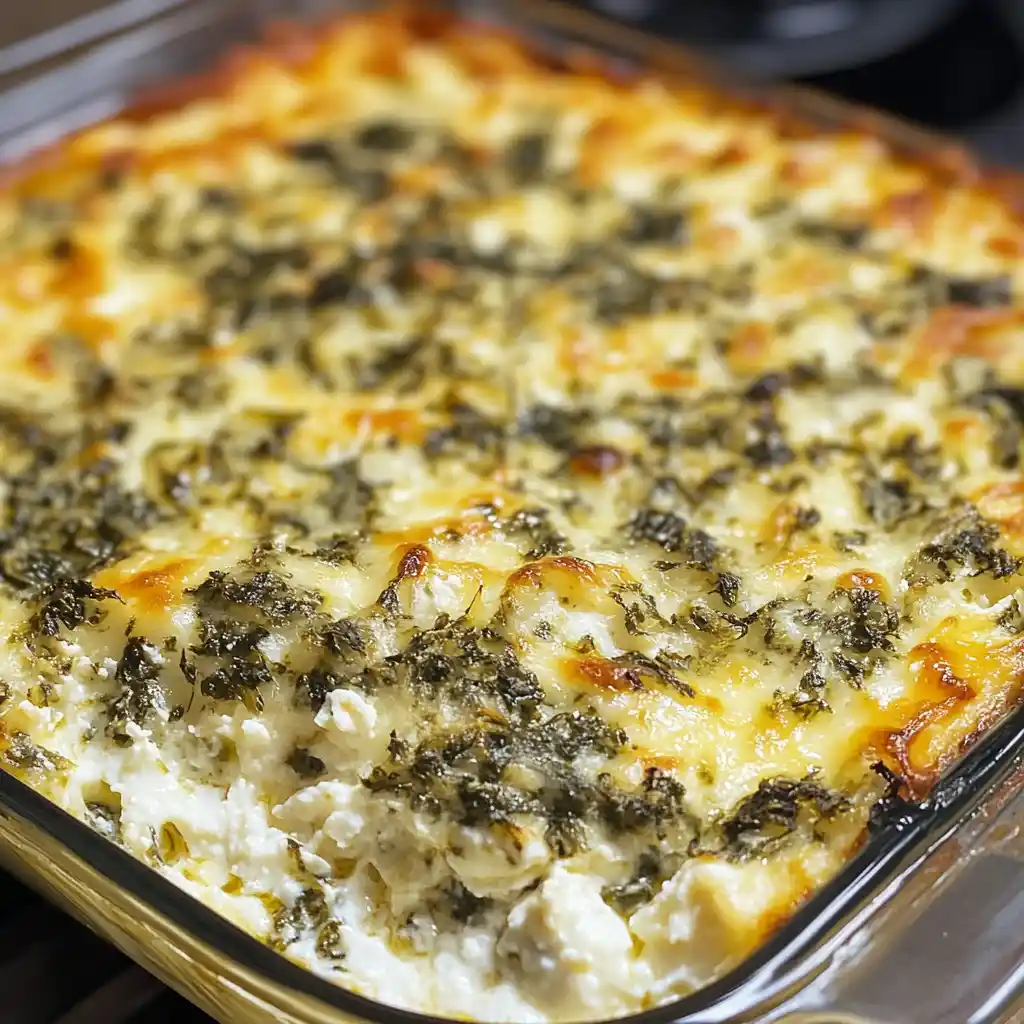
Ingredients
- 16 oz watercress, chopped (about 2 large bunches—make sure it’s fresh and crisp)
- 8 oz feta cheese, crumbled (block feta you crumble yourself works best)
- 1 cup Greek yogurt (full-fat gives the creamiest results)
- 4 eggs
- 1/2 cup breadcrumbs (panko or regular—just not seasoned)
- 3 cloves garlic, minced
- 1/4 cup olive oil
- Salt and pepper, to taste (start with 1/2 teaspoon salt since feta is salty)
Instructions
- Preheat your oven to 375°F (190°C) and grease a 9×13 inch baking dish with olive oil or cooking spray. Don’t skip the greasing or you’ll have a stuck-on mess later.
- In a large mixing bowl, combine the chopped watercress, crumbled feta, Greek yogurt, eggs, breadcrumbs, minced garlic, olive oil, salt, and pepper. Mix everything really well—I like to use my hands to massage the watercress a bit so it wilts slightly and everything distributes evenly.
- Transfer the mixture to your prepared baking dish and spread it out evenly with a spatula. Give the dish a gentle tap on the counter to release any air bubbles.
- Bake in the preheated oven for 35-40 minutes or until the casserole is set in the center and golden brown on top. You’ll know it’s done when a knife inserted in the middle comes out clean and the edges are bubbling.
- Remove from the oven and let it cool for 5-10 minutes before slicing. This cooling time helps it hold together instead of falling apart when you cut it.
- Slice the casserole into squares or wedges and serve warm. It’s perfect with crusty bread and a simple salad on the side.
Nutrition Information (Per Serving):
- Calories: 215
- Carbohydrates: 10g
- Protein: 11g
- Fat: 15g
- Fiber: 2g
- Sodium: 520mg
- Calcium: 25% DV
- Vitamin A: 85% DV
- Vitamin C: 40% DV
- Vitamin K: 180% DV
This casserole delivers substantial protein from eggs, yogurt, and feta, plus watercress is absolutely loaded with vitamins A, C, and K for a seriously nutritious main dish.
Notes:
- Seriously, dry your watercress well after washing or you’ll get a watery casserole
- Every oven has its own personality, so start checking at 35 minutes with a knife test
- This goes from perfectly golden to over-browned fast, so keep an eye on it in the last 10 minutes
- Full-fat Greek yogurt really does make a difference in creaminess—don’t use low-fat
- Taste your mixture before baking and adjust salt based on how salty your feta is
Storage Tips:
- Keep refrigerated in an airtight container for up to 4 days
- Freeze in individual portions for up to 2 months, though texture is better fresh
- Reheat covered at 350°F for 15-20 minutes, or microwave individual portions
- Leftovers are actually amazing cold, kind of like a savory breakfast frittata
Serving Suggestions:
- Traditional Turkish: Serve warm with crusty bread, olives, and sliced tomatoes
- Brunch Spread: Cut into small squares and serve as part of a Mediterranean brunch buffet
- Light Dinner: Pair with a simple cucumber-tomato salad dressed with lemon and olive oil
- Mezze Platter: Serve alongside hummus, baba ganoush, and warm pita for a complete spread
Mix It Up (Recipe Variations):
- Herbed Watercress Casserole: Add 1/4 cup each fresh dill and mint for intensely Turkish flavors
- Sun-Dried Tomato Version: Fold in 1/2 cup chopped sun-dried tomatoes for sweet, tangy bursts
- Cheesy Turkish Casserole: Sprinkle 1 cup shredded mozzarella on top during the last 10 minutes of baking
- Mixed Greens Casserole: Use half watercress and half arugula or spinach when watercress is pricey
What Makes This Recipe Special:
This Turkish watercress casserole adapts traditional börek techniques into a simple one-bowl casserole that captures the essence of Turkish home cooking. The combination of tangy yogurt and briny feta creates the characteristic Turkish flavor balance, while the peppery watercress stands up to the rich dairy in a way that milder greens cannot. Unlike heavy cream-based casseroles, this version feels light and fresh while still being satisfying—proof that Turkish cooks have spent centuries perfecting the art of making vegetables the star of the meal.
