
Ever wonder why some fusion recipes just feel forced, like someone threw random ingredients together and hoped for the best? I used to think Greek and curry couldn’t possibly work together until I tasted this incredible Greek Shrimp Curry at a small taverna in Athens that had a Turkish-influenced menu. Now my family requests this Mediterranean-meets-exotic dish at least twice a month, and honestly, I’ve stopped trying to explain the flavor combination—I just let them taste it and watch their eyes light up.
Here’s the Thing About This Recipe
The secret to this Greek Shrimp Curry is how the bright, herbaceous Mediterranean flavors play with warm curry spices without fighting each other. The oregano and fresh vegetables create that familiar Greek backbone, while the curry powder adds depth that makes this feel like something completely new. I learned the hard way that quality curry powder matters here—that dusty jar from 2019 in the back of your spice cabinet won’t cut it. This isn’t traditional Greek food and it’s not authentic Indian curry, but it’s honestly one of those happy accidents that just works. The tomatoes and olive oil keep it grounded in Mediterranean cooking while the curry takes it somewhere unexpected.
What You’ll Need (And My Shopping Tips)
Good shrimp is worth spending a little extra on—I always grab the large ones (21-25 count per pound) because they stay juicy and don’t overcook in two seconds flat. Don’t cheap out on frozen mystery shrimp that smell fishy; fresh or high-quality frozen wild-caught shrimp makes a huge difference here. I learned this after serving rubbery, weird-tasting shrimp three times before finally upgrading my seafood game.
For the curry powder, find a good-quality blend with depth—I like ones with coriander, cumin, and turmeric as the base. The dried oregano should smell fragrant when you open the jar (if it doesn’t, it’s dead and needs replacing). Fresh vegetables matter too—a sad, soft zucchini won’t do you any favors here. I always grab an extra bell pepper because someone inevitably wants more vegetables in theirs, and zucchini should be firm with no soft spots. The canned tomatoes can be whatever brand you trust, but San Marzano or fire-roasted versions add a nice touch. Don’t skip the fresh parsley garnish—it’s not just for looks, it actually brightens the whole dish.
Let’s Make This Together
Start by getting all your prep done before you turn on the heat—this comes together fast once you start cooking. Heat that olive oil in your largest skillet over medium heat (don’t go crazy hot or the garlic will burn and turn bitter, trust me on this). Toss in your chopped onion and minced garlic, and let them sauté until your kitchen smells amazing and the onion turns translucent, about 3-4 minutes.
Now add your bell pepper and sliced zucchini to the party. Here’s where I used to mess up—I’d crank the heat thinking it would cook faster, but medium heat lets the vegetables soften without turning into mush. Cook them for about 5 minutes, stirring occasionally, until they’re slightly tender but still have some bite.
Here’s my secret: add the curry powder and oregano now and let them toast in the pan for about a minute. This wakes up the spices and makes them smell incredible. Just like my Greek neighbor taught me, you want to smell that oregano bloom—it makes all the difference. Pour in your diced tomatoes and chicken broth, give everything a good stir, and bring it to a gentle simmer. Let this bubble away for about 5 minutes so the flavors can get to know each other.
Finally, nestle those shrimp into the sauce. Don’t be me—I used to dump them in frozen and wonder why everything turned watery. Pat them dry first and make sure they’re at room temperature. Season with salt and pepper (I use about 1 teaspoon salt and ½ teaspoon pepper, but taste as you go). The shrimp cook fast, maybe 4-5 minutes total, flipping them halfway through. They’re done when they’re pink and opaque all the way through. Yank the pan off the heat immediately because shrimp go from perfect to rubbery in about 30 seconds. Similar to this Mediterranean Garlic Butter Shrimp, timing is everything with seafood.
When Things Go Sideways (And They Will)
Shrimp turned out tough and rubbery? You cooked them too long—they only need about 2 minutes per side, max. In reality, I’ve learned to pull them off the heat when they’re just barely done because they keep cooking in the hot sauce. If this happens (and it will), don’t beat yourself up, just remember for next time.
Sauce too thin and watery? Let it simmer longer before adding the shrimp, or add a tablespoon of tomato paste to thicken it up. I always check the consistency after that initial 5-minute simmer now because every can of tomatoes is different.
Greek Shrimp Curry tasting flat? You probably need more salt or your spices are old. Fresh curry powder should smell potent and complex, not like dusty cardboard. Also, don’t skip that final parsley—the fresh herbs really wake everything up. If your zucchini released too much water and diluted everything, next time salt the sliced zucchini and let it sit for 10 minutes, then pat it dry before adding to the pan.
Ways to Mix It Up
When I’m feeling fancy, I’ll add a few spoonfuls of Greek yogurt at the end for a Creamy Greek Shrimp Curry that’s ridiculously good (just remove from heat first so it doesn’t curdle). Around the holidays, I make a Spicy Version with crushed red pepper flakes and extra garlic because my brother-in-law loves heat. For a Veggie-Packed Greek Curry, I’ll throw in cherry tomatoes, spinach, and even some chickpeas for a heartier meal. The Low-Carb Version is amazing served over cauliflower rice instead of regular rice, and honestly, the curry flavors are so good you won’t miss the carbs.
What Makes This Recipe Special
This Greek Shrimp Curry represents the beautiful culinary crossroads you find in Mediterranean port cities, where Greek, Turkish, and Middle Eastern flavors have been mingling for centuries. While you won’t find this exact dish in a traditional Greek taverna, the combination honors the Greek tradition of simple, fresh ingredients enhanced with aromatic spices. The technique of building flavors layer by layer—sautéing aromatics, toasting spices, simmering sauce, then gently cooking seafood—is classic Mediterranean cooking at its best. What sets this apart is how the oregano and olive oil keep it unmistakably Greek while the curry powder adds warmth and complexity that makes it feel exotic and comforting at the same time.
Questions I Always Get
Can I make this Greek Shrimp Curry ahead of time?
You can prep all the vegetables and make the sauce base ahead, but I always cook the shrimp right before serving. Reheated shrimp gets tough and sad, so if you’re meal prepping, keep the shrimp separate and add them fresh when you reheat the sauce. The sauce actually tastes better the next day after the flavors meld.
What if I can’t find good fresh shrimp?
High-quality frozen shrimp works great—just thaw them in the fridge overnight or run them under cold water for 15 minutes. Avoid pre-cooked shrimp for this recipe because they’ll turn into little pink erasers when you reheat them. I buy frozen wild-caught shrimp from Costco and they’re consistently good.
How spicy is this curry?
This version is pretty mild—the curry powder adds warmth and depth without much heat. If you want it spicier, add red pepper flakes or use a hot curry powder blend. My kids (ages 7 and 9) eat this without complaining, which tells you it’s not spicy at all.
Can I freeze leftover Greek Shrimp Curry?
Honestly, I don’t recommend freezing this one. The shrimp texture gets weird and mushy after freezing and thawing. The sauce freezes fine, so you could freeze just the vegetable-tomato base and add fresh shrimp when you’re ready to eat it.
Is this recipe beginner-friendly?
Absolutely! If you can sauté vegetables and watch shrimp turn pink, you’ve got this. The hardest part is not overcooking the shrimp, and even that’s pretty forgiving if you keep an eye on things. This was one of the first “impressive” dinners I learned to make.
What’s the best way to serve this dish?
I love it over fluffy basmati rice or with crusty bread for soaking up that amazing sauce. Orzo pasta is great too if you want to keep it extra Greek. Sometimes I serve it with a simple cucumber-tomato salad on the side to keep things light and fresh.
Why I Had to Share This
I couldn’t resist sharing this Greek Shrimp Curry because it’s become one of those recipes that makes weeknight dinners feel special without any stress. The best nights are when I make a big batch, pile it over rice, and everyone’s too busy eating to talk. That’s when you know you’ve got a winner.
Print
Greek Shrimp Curry
Description
This vibrant Greek Shrimp Curry combines Mediterranean freshness with warming spices for a fusion dish that’ll surprise everyone at your table in the best way possible.
Prep Time: 15 minutes | Cook Time: 20 minutes | Total Time: 35 minutes | Servings: 4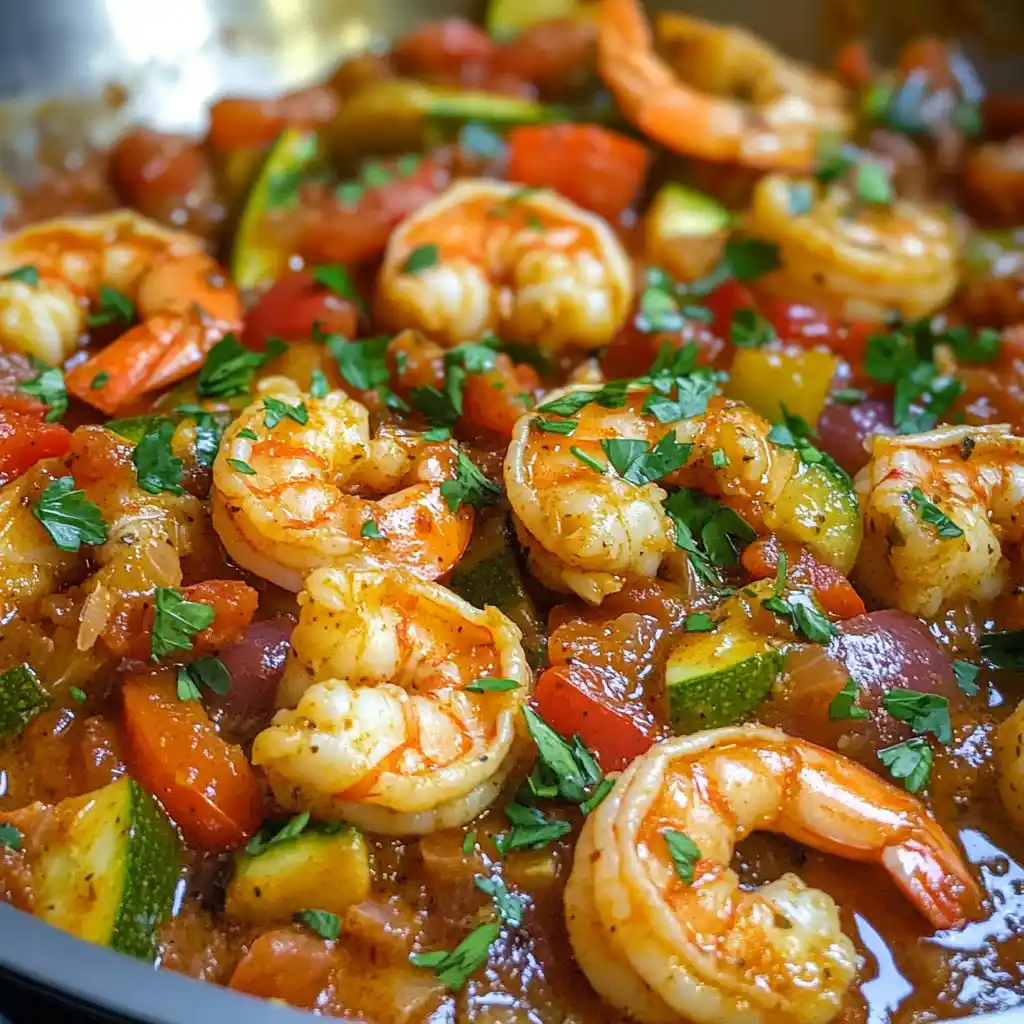
Ingredients
- 1 lb large shrimp (21–25 count), peeled and deveined (pat them dry!)
- 1 can (14 oz) diced tomatoes (fire-roasted adds extra flavor)
- 1 medium onion, chopped
- 3 cloves garlic, minced (don’t skip this)
- 1 red bell pepper, chopped
- 1 medium zucchini, sliced into half-moons
- ½ cup chicken broth (or vegetable broth)
- 2 tablespoons olive oil (good quality makes a difference)
- 1 tablespoon curry powder (fresh, fragrant stuff)
- 1 teaspoon dried oregano
- 1 teaspoon salt, or to taste
- ½ teaspoon black pepper
- Fresh parsley, chopped for garnish
Instructions
- Get all your ingredients prepped before you start cooking—this moves fast once you begin. Heat the olive oil in your largest skillet over medium heat.
- Add the chopped onion and minced garlic to the pan. Sauté for about 3-4 minutes until the onion turns translucent and your kitchen smells amazing. Don’t let the garlic burn or it’ll turn bitter.
- Toss in the bell pepper and zucchini slices. Cook for about 5 minutes, stirring occasionally, until they’re slightly tender but still have a little bite. Patience here pays off—medium heat is your friend.
- Sprinkle in the curry powder and oregano, stirring constantly for about 1 minute. You’ll smell those spices wake up, and it’s the best part of making this dish.
- Pour in the diced tomatoes and chicken broth, give everything a good stir, and bring to a gentle simmer. Let this bubble away for about 5 minutes so the flavors can mingle.
- Pat your shrimp dry if you haven’t already (seriously, dry shrimp = better sear), then nestle them into the sauce. Season with salt and pepper. Cook for about 4-5 minutes, flipping halfway through, until the shrimp are pink and opaque all the way through.
- Remove from heat immediately—shrimp go from perfect to rubbery fast. Garnish with fresh parsley and serve hot over rice, orzo, or with crusty bread for dipping.
Nutrition Information (Per Serving):
- Calories: 245
- Carbohydrates: 14g
- Protein: 28g
- Fat: 9g
- Fiber: 3g
- Sodium: 890mg
- Vitamin C: 85% DV
- Vitamin A: 28% DV
This dish is high in lean protein and loaded with vegetables, plus shrimp provides selenium and vitamin B12.
Notes:
- Seriously, pat those shrimp dry before cooking—wet shrimp won’t sear properly
- Every oven and stovetop runs differently, so trust your eyes more than the timer
- If your curry powder smells like nothing, it’s dead—replace it for the best flavor
- Room temperature shrimp cook more evenly than cold-from-the-fridge shrimp
- Don’t skip the fresh parsley garnish—it brightens the whole dish
Storage Tips:
Store leftovers in an airtight container in the refrigerator for up to 2 days. The shrimp texture won’t be quite as good reheated, but it’s still tasty. Don’t freeze this one—shrimp get weird and rubbery after freezing. Reheat gently in a skillet over low heat, adding a splash of broth if the sauce thickened up. Microwaving turns the shrimp into rubber, so avoid that if you can.
Serving Suggestions:
- Over Basmati Rice: The fluffy rice soaks up that incredible curry-tomato sauce
- With Crusty Bread: Perfect for mopping up every last drop of sauce
- Over Orzo Pasta: Keeps it Mediterranean and the little pasta pearls are adorable
- With Greek Salad: A cool, crisp salad balances the warm curry perfectly
Mix It Up (Recipe Variations):
Creamy Greek Shrimp Curry: Stir in ¼ cup Greek yogurt after removing from heat for a rich, tangy sauce
Spicy Version: Add 1 teaspoon crushed red pepper flakes and an extra clove of garlic for heat lovers
Veggie-Packed: Toss in a handful of spinach, halved cherry tomatoes, and a can of chickpeas for a heartier meal
Low-Carb Option: Serve over cauliflower rice instead of regular rice—the curry sauce is so flavorful you won’t miss the carbs
What Makes This Recipe Special:
This Greek Shrimp Curry honors Mediterranean cooking traditions while embracing the aromatic spices found in coastal port cities where cultures blend. The layered cooking technique—building flavors from aromatics to spices to sauce—creates depth that makes this simple dish taste restaurant-quality.
