Description
This vibrant Greek Shrimp Curry combines Mediterranean freshness with warming spices for a fusion dish that’ll surprise everyone at your table in the best way possible.
Prep Time: 15 minutes | Cook Time: 20 minutes | Total Time: 35 minutes | Servings: 4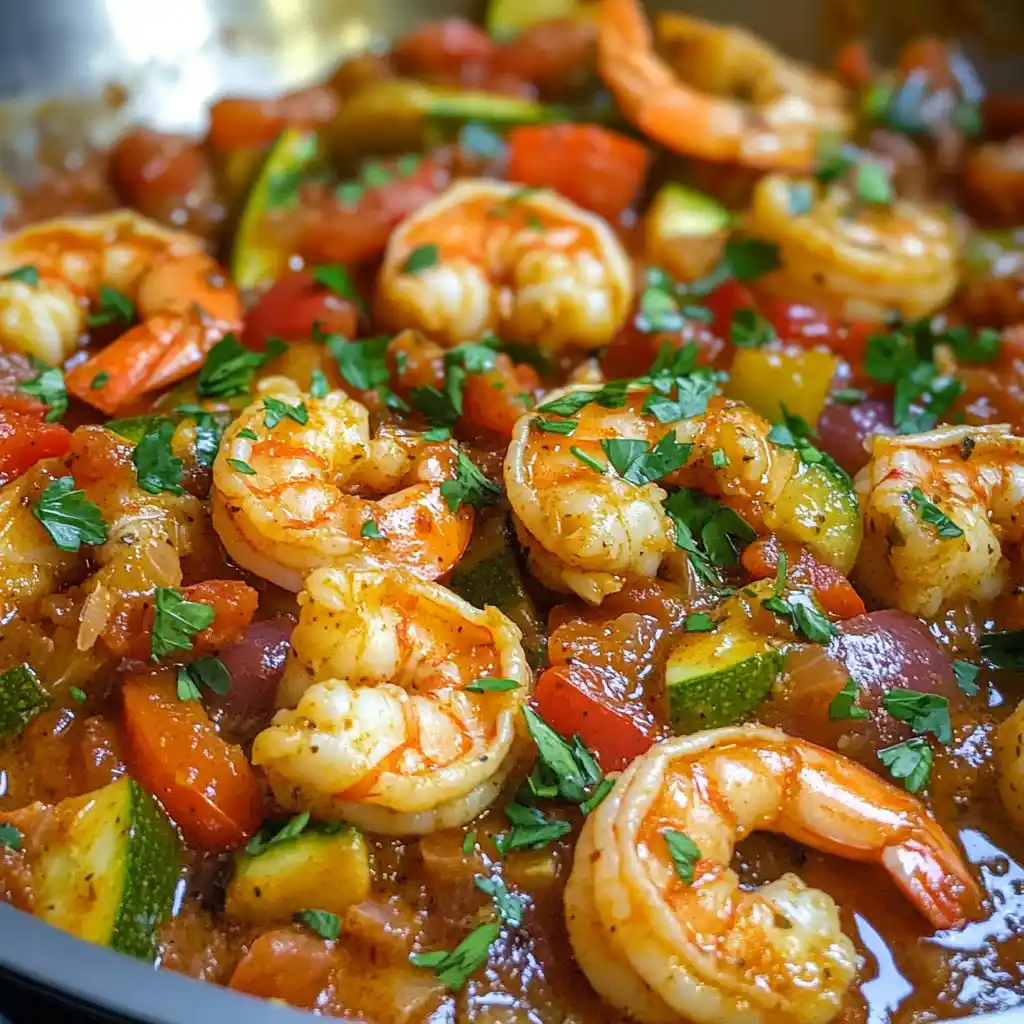
Ingredients
- 1 lb large shrimp (21–25 count), peeled and deveined (pat them dry!)
- 1 can (14 oz) diced tomatoes (fire-roasted adds extra flavor)
- 1 medium onion, chopped
- 3 cloves garlic, minced (don’t skip this)
- 1 red bell pepper, chopped
- 1 medium zucchini, sliced into half-moons
- ½ cup chicken broth (or vegetable broth)
- 2 tablespoons olive oil (good quality makes a difference)
- 1 tablespoon curry powder (fresh, fragrant stuff)
- 1 teaspoon dried oregano
- 1 teaspoon salt, or to taste
- ½ teaspoon black pepper
- Fresh parsley, chopped for garnish
Instructions
- Get all your ingredients prepped before you start cooking—this moves fast once you begin. Heat the olive oil in your largest skillet over medium heat.
- Add the chopped onion and minced garlic to the pan. Sauté for about 3-4 minutes until the onion turns translucent and your kitchen smells amazing. Don’t let the garlic burn or it’ll turn bitter.
- Toss in the bell pepper and zucchini slices. Cook for about 5 minutes, stirring occasionally, until they’re slightly tender but still have a little bite. Patience here pays off—medium heat is your friend.
- Sprinkle in the curry powder and oregano, stirring constantly for about 1 minute. You’ll smell those spices wake up, and it’s the best part of making this dish.
- Pour in the diced tomatoes and chicken broth, give everything a good stir, and bring to a gentle simmer. Let this bubble away for about 5 minutes so the flavors can mingle.
- Pat your shrimp dry if you haven’t already (seriously, dry shrimp = better sear), then nestle them into the sauce. Season with salt and pepper. Cook for about 4-5 minutes, flipping halfway through, until the shrimp are pink and opaque all the way through.
- Remove from heat immediately—shrimp go from perfect to rubbery fast. Garnish with fresh parsley and serve hot over rice, orzo, or with crusty bread for dipping.
Nutrition Information (Per Serving):
- Calories: 245
- Carbohydrates: 14g
- Protein: 28g
- Fat: 9g
- Fiber: 3g
- Sodium: 890mg
- Vitamin C: 85% DV
- Vitamin A: 28% DV
This dish is high in lean protein and loaded with vegetables, plus shrimp provides selenium and vitamin B12.
Notes:
- Seriously, pat those shrimp dry before cooking—wet shrimp won’t sear properly
- Every oven and stovetop runs differently, so trust your eyes more than the timer
- If your curry powder smells like nothing, it’s dead—replace it for the best flavor
- Room temperature shrimp cook more evenly than cold-from-the-fridge shrimp
- Don’t skip the fresh parsley garnish—it brightens the whole dish
Storage Tips:
Store leftovers in an airtight container in the refrigerator for up to 2 days. The shrimp texture won’t be quite as good reheated, but it’s still tasty. Don’t freeze this one—shrimp get weird and rubbery after freezing. Reheat gently in a skillet over low heat, adding a splash of broth if the sauce thickened up. Microwaving turns the shrimp into rubber, so avoid that if you can.
Serving Suggestions:
- Over Basmati Rice: The fluffy rice soaks up that incredible curry-tomato sauce
- With Crusty Bread: Perfect for mopping up every last drop of sauce
- Over Orzo Pasta: Keeps it Mediterranean and the little pasta pearls are adorable
- With Greek Salad: A cool, crisp salad balances the warm curry perfectly
Mix It Up (Recipe Variations):
Creamy Greek Shrimp Curry: Stir in ¼ cup Greek yogurt after removing from heat for a rich, tangy sauce
Spicy Version: Add 1 teaspoon crushed red pepper flakes and an extra clove of garlic for heat lovers
Veggie-Packed: Toss in a handful of spinach, halved cherry tomatoes, and a can of chickpeas for a heartier meal
Low-Carb Option: Serve over cauliflower rice instead of regular rice—the curry sauce is so flavorful you won’t miss the carbs
What Makes This Recipe Special:
This Greek Shrimp Curry honors Mediterranean cooking traditions while embracing the aromatic spices found in coastal port cities where cultures blend. The layered cooking technique—building flavors from aromatics to spices to sauce—creates depth that makes this simple dish taste restaurant-quality.